
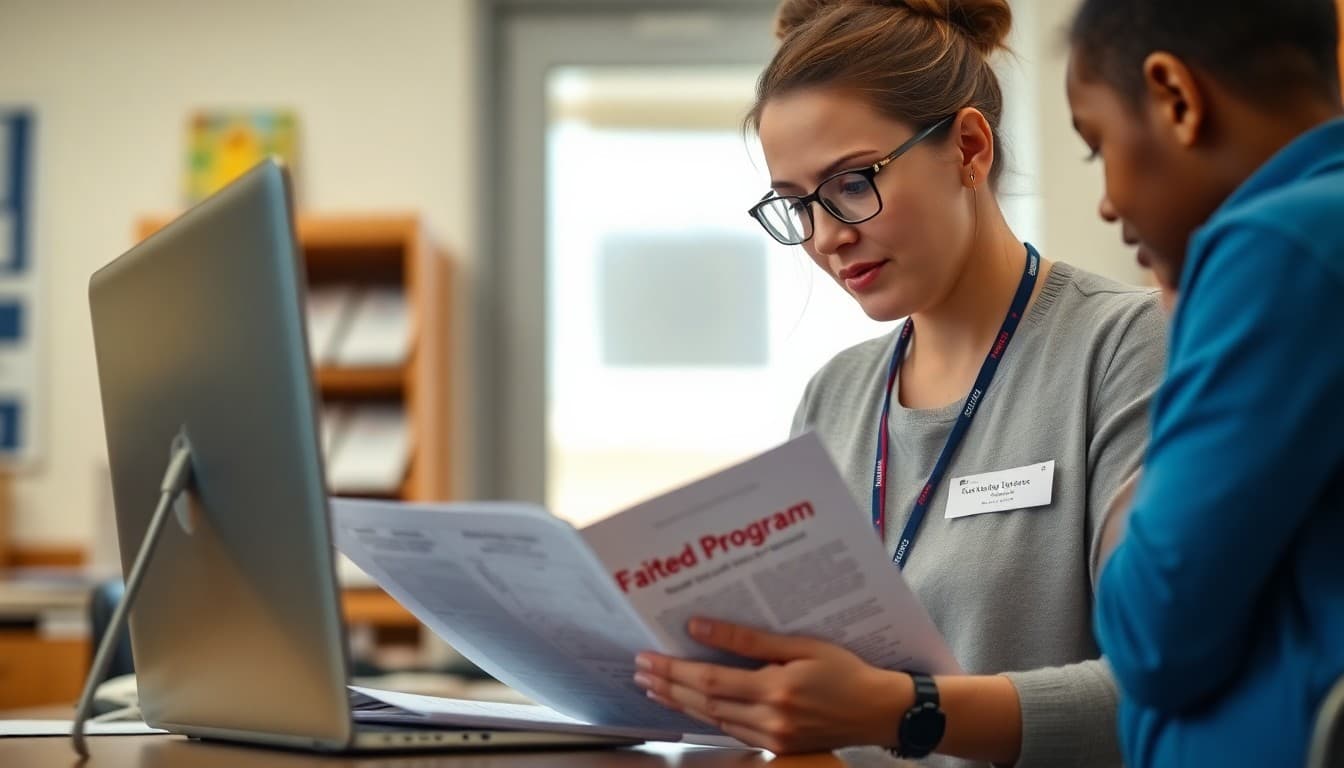
Nevada Gifted Program Newsletter Guide for Coordinators

Nevada's gifted education landscape is shaped heavily by Clark County School District, one of the largest school districts in the country, and Washoe County, home to Reno. Together they serve the vast majority of Nevada's gifted students. But Nevada also has smaller rural counties with very different program realities. Whether you are in Las Vegas, Reno, or a small rural community, your newsletter needs to describe what your specific program actually provides.
Nevada's Gifted Education Framework
Nevada requires that districts identify and provide programming for gifted and talented students. Both Clark County and Washoe County have established identification processes and a range of program options. Clark County's Young Scholars program and magnet school network create options for gifted students that are distinct from standard gifted services. Your newsletter should explain the full landscape of what is available in your district, including any magnet programs, advanced content options, and specialized school applications that require separate processes.
Identification and Program Pathways
Explain your district's gifted identification process clearly in your fall newsletter. In Clark County, the gifted identification process is separate from magnet school applications, and families sometimes conflate them. In Washoe County, the process has its own distinct criteria and timeline. Whatever your district, cover how referrals work, what assessments are involved, who reviews the data, and what written notification families receive. Families who understand the full range of pathways available to their child are better positioned to make informed decisions about program participation.
Magnet Programs and Advanced Content Classes
Nevada, particularly Clark County, has a network of magnet schools that serve gifted and advanced learners. These schools often have application processes that run earlier than standard gifted identification timelines. Your newsletter should explain what magnet options are relevant to families at your school, including application windows, eligibility criteria, transportation logistics, and how magnet participation relates to gifted program services. Families who miss magnet application deadlines often do so because they learned about the option too late.
Science Olympiad and Academic Competition
Nevada Science Olympiad runs regional and state competition, with the state tournament typically hosted at a Nevada university. MATHCOUNTS Nevada chapter competitions run in fall and winter with state competition in spring. Nevada State Science and Engineering Fair draws middle and high school entries. Future Problem Solving and Nevada History Day competition both have state-level events. Give registration deadlines, grade eligibility, and participation expectations for each competition you mention. Early communication drives enrollment, particularly for Nevada's large family populations in Clark County.
University of Nevada Enrichment Resources
University of Nevada Reno and UNLV both offer programs for advanced learners including summer institutes, dual enrollment options, and research partnerships. The Davidson Academy, one of the country's premier programs for profoundly gifted students, is located in Reno and serves Nevada's most exceptional learners. National programs including Duke TIP and Johns Hopkins CTY accept Nevada students. Your spring newsletter should describe these options with application timelines and scholarship information.
Serving Nevada's Diverse Families
Nevada is one of the most diverse states in the country, and Clark County in particular serves families from hundreds of language backgrounds. Gifted identification research shows that students from non-English-speaking households and low-income families are historically underidentified. Your newsletter can support equitable identification by explaining the referral process in accessible language, noting that parent nominations from all families are valued, and describing any universal screening your district uses to reduce dependence on teacher nominations alone. Including a note about translation services for families who need them builds trust with communities that have sometimes felt excluded from gifted education.
A Sample Nevada Newsletter Section
Here is language that works: "Gifted Referral Window Opens October 1: If you believe your child may qualify for gifted services, the referral form is available at the front office or on our school website. Referrals are accepted through November 15. We test during January and February. Families receive written notification of the eligibility determination by April 1. Parent nominations are part of the official review, not just teacher referrals." Daystage makes sending that kind of clear, multi-step communication to your entire family list professional and efficient.
Rural Nevada Communication Challenges
Nevada's rural counties face communication and enrichment access challenges that urban Clark County does not. Small rural schools may have limited gifted specialist staffing and few in-person competition options nearby. Online enrichment programs, virtual competitions, and dual enrollment through the Nevada System of Higher Education provide pathways for rural gifted students. Your newsletter should be explicit about what is available given your specific geographic context, including which options require travel to Reno or Las Vegas and which are fully accessible from your community.
Get one newsletter idea every week.
Free. For teachers. No spam.
Frequently asked questions
What does Nevada require for gifted program communication?
Nevada requires that school districts identify and serve gifted and talented pupils and provide appropriate educational programming. The Nevada Department of Education provides guidance for gifted programs, and districts must document the services provided. Families should receive written notification of identification and participate in educational planning for their gifted child.
How does gifted identification work in Nevada?
Nevada uses multiple criteria for gifted identification including intellectual ability, academic achievement, creativity, and other relevant measures. Clark County and Washoe County, Nevada's two largest districts, have well-developed identification processes that may differ from smaller rural counties. Your newsletter should explain your specific district's criteria and process, including how referrals work, what assessments are used, and the timeline from referral to eligibility determination.
What gifted programs are distinctive to Nevada?
Nevada has a number of magnet schools and specialized programs in Clark County and Washoe County that serve gifted and advanced learners. Advanced Content courses, the Young Scholars program in Clark County, and various magnet school applications involve separate processes from standard gifted identification. Your newsletter should clearly explain the distinction between these programs and standard gifted services so families understand what options are available and what applies to their child.
What academic competitions are active in Nevada?
Nevada has Science Olympiad state competition, MATHCOUNTS Nevada chapter and state competitions, Nevada State Science and Engineering Fair, and Future Problem Solving participation. Nevada History Day competition also draws gifted student entries. University of Nevada Reno and UNLV enrichment programs provide additional pathways. Your newsletter should alert families to these with registration details and ample advance notice.
What newsletter tool works for Nevada gifted programs?
Daystage works well for Nevada coordinators managing large family lists in Clark County and Washoe County, or smaller lists in rural Nevada counties. The platform handles email delivery and scheduling without IT involvement. Nevada coordinators appreciate being able to send a consistent professional newsletter to diverse family communities, including non-English-speaking families when paired with translation tools.

Adi Ackerman
Author
Adi Ackerman is a former classroom teacher and curriculum writer with 8 years in K-8 schools. She writes about school communication, parent engagement, and what actually works in real classrooms.
More for Gifted & Advanced
Gifted Program Parent Newsletter: What Your Child Is Doing
Gifted & Advanced · 6 min read
Gifted Identification Newsletter: How We Find and Serve Students
Gifted & Advanced · 6 min read
Gifted Cluster Classroom Newsletter: Communicating a Differentiated Classroom Model to All Families
Gifted & Advanced · 5 min read
Ready to send your first newsletter?
3 newsletters free. No credit card. First one ready in under 5 minutes.
Get started free