
Gifted Cluster Classroom Newsletter: Communicating a Differentiated Classroom Model to All Families
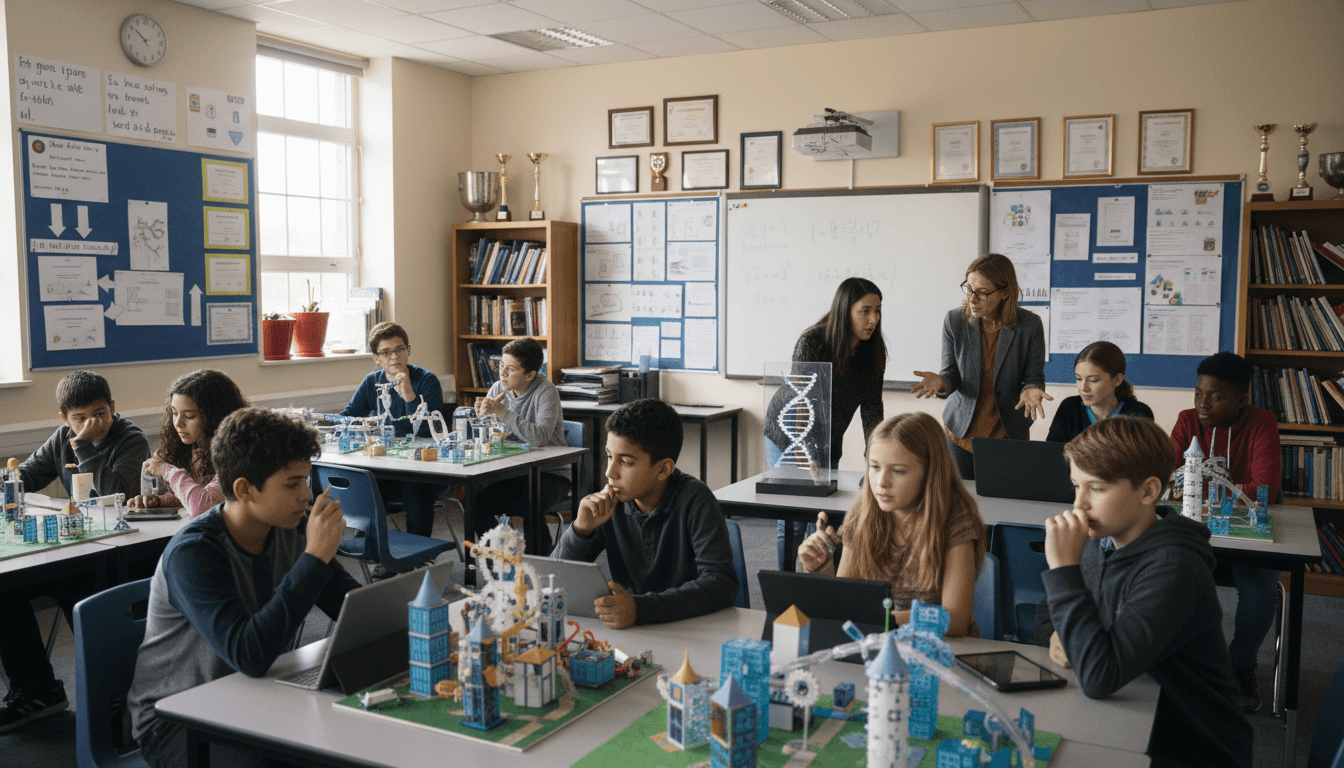
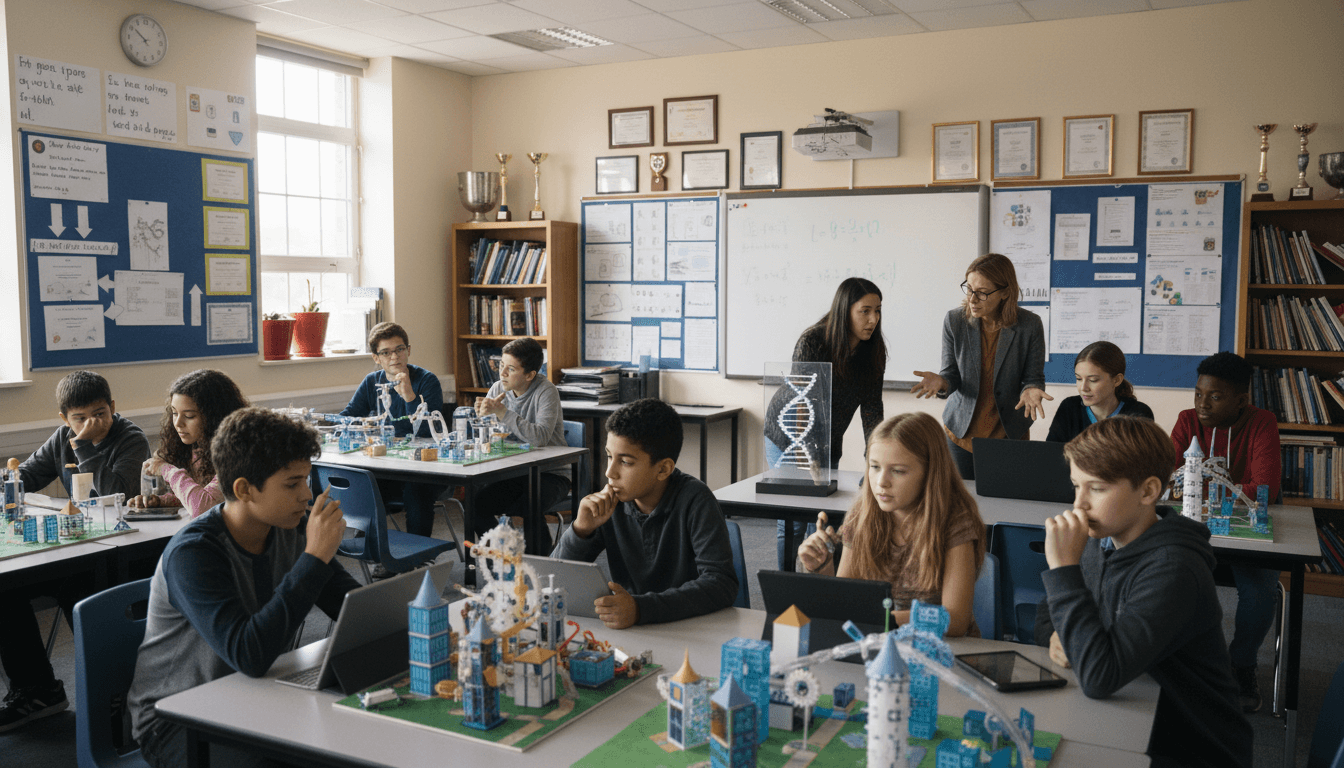
The gifted cluster classroom model places identified gifted students together in one general education classroom rather than dispersing them across all classes. The teacher of that class receives training in gifted differentiation and serves all students in the class while providing appropriate challenge for the gifted cluster. This model creates a unique communication challenge: the newsletter goes to all families in the class, including families of non-gifted students who may have questions about the model.
This guide covers how to write a cluster classroom newsletter that serves all families, explains differentiation without creating a hierarchy narrative, and builds the classroom community that makes the cluster model work.
The cluster classroom communication challenge
A newsletter to cluster classroom families is different from a newsletter to gifted program families. You are writing for two groups simultaneously: families of identified gifted students who want to know how their child's needs are being met, and families of non-gifted students who want to know that their child is equally valued and served.
The good news is that a well-implemented cluster model genuinely benefits all students, not just the gifted cluster. Research on cluster grouping consistently shows academic gains for all students in the classroom, not just the identified group. Writing from that truth makes the newsletter easier to write.
Writing about differentiation for a mixed audience
The most important language decision in a cluster classroom newsletter is how to describe differentiation. Language that emphasizes what the gifted cluster is doing differently from others creates comparison and implicit hierarchy. Language that describes the classroom as a place where everyone is working at their right level describes the same reality without the hierarchy.
Comparison language: 'The gifted cluster is working on a research extension project while other students complete the standard unit.'
Community language: 'Students in our class are working at different levels within the unit, with some students diving into independent research and others building the foundational skills that will support their own advanced work later. Every student is working at a level that is challenging for them.'
What to include in each issue
- The classroom curriculum: What all students are studying, described at the unit level. The differentiation within the unit can be mentioned briefly without detailed descriptions of group-level differences.
- Classroom community: How students are working together, what collaborative learning is happening, and how the classroom culture is developing. Cluster classrooms typically have strong intellectual culture that is worth describing.
- How families can help at home: One suggestion that works for any student in the class, not differentiated by identification status.
- Upcoming events and dates: Relevant to all class families.
Handling questions from non-gifted families
Some families in a cluster classroom wonder whether their non-identified child is being served well or whether the teacher's attention and training are disproportionately focused on the gifted cluster. A newsletter that regularly describes the learning happening across the classroom, shows the teacher attending to all students, and highlights the benefits of the classroom community addresses this concern without requiring families to ask.
Celebrating the cluster classroom model
The cluster model works best when all families see it as a positive placement for their child, not just as the class that happens to have the gifted students. A newsletter that communicates the intellectual energy of the classroom, the collaborative culture, and the depth of learning available to all students builds that positive perception over time.
Get one newsletter idea every week.
Free. For teachers. No spam.
Frequently asked questions
How often should a gifted cluster classroom teacher send a newsletter?
Monthly is right. Cluster classrooms have a more complex communication challenge than either standard classrooms or self-contained gifted classrooms because the newsletter goes to families of both gifted and non-gifted students. Monthly communication that addresses all students and describes the classroom community builds a shared sense of belonging.
What should a cluster classroom newsletter include?
Cover what all students in the class are working on, describe how differentiation works in the classroom without creating a hierarchy narrative, highlight enrichment opportunities that are available to all students who seek them, and include information about classroom culture and social learning. The cluster model serves all students, and the newsletter should reflect that.
How do you write about gifted differentiation for a newsletter that goes to all families, not just gifted ones?
Write about differentiation as something the classroom provides for all students, not just for the identified group. 'Every student in our class has opportunities to work at their own level and push toward new challenges. Some students are working on extension projects while others are building foundational skills. The teacher works with different groups throughout the week.' That description is accurate and does not single out any group.
What is the most sensitive communication challenge in a cluster classroom newsletter?
Avoiding language that creates an implicit hierarchy between gifted and non-gifted students. Any newsletter language that frames the gifted students as the high-achieving group and others as the rest creates division. Write about the classroom community as a whole, with differentiation as a feature that serves everyone, not a benefit reserved for a subset.
What tool makes it easy to send a cluster classroom newsletter to a mixed audience?
Daystage lets cluster classroom teachers send newsletters to all class families with the same professional formatting. The ability to maintain a consistent, warm tone in a newsletter that goes to diverse families with different relationships to the gifted identification process is easier with a structured template.

Adi Ackerman
Author
Adi Ackerman is a former classroom teacher and curriculum writer with 8 years in K-8 schools. She writes about school communication, parent engagement, and what actually works in real classrooms.
More for Gifted & Advanced
Gifted Program School Board Communication: Communicating Program Value to District Leadership
Gifted & Advanced · 5 min read
Gifted Testing and Identification Newsletter: What Families Need to Know Before the Process Begins
Gifted & Advanced · 6 min read
Gifted Art and Music Program Newsletter: Communicating Advanced Creative Programs to Families
Gifted & Advanced · 5 min read
Ready to send your first newsletter?
3 newsletters free. No credit card. First one ready in under 5 minutes.
Get started free