

School Pep Rally Newsletter: Inviting Families and Community
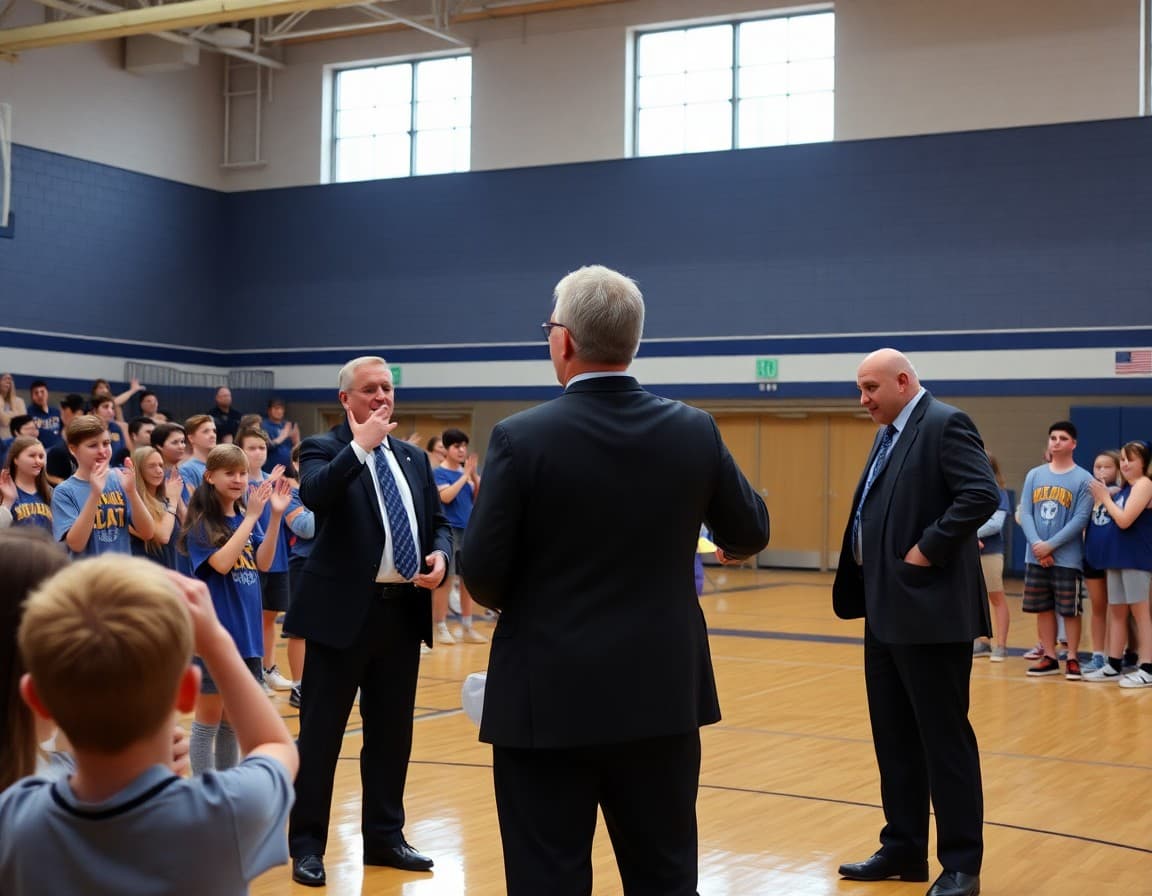
A pep rally is a school's most direct expression of community energy. Done well, it sends athletes and teams into competition feeling the full support of their school behind them. A newsletter that builds anticipation before the event and invites the community to participate -- whether in person or in spirit -- amplifies that energy beyond the gymnasium walls.
What a Pep Rally Newsletter Needs to Do
A pep rally newsletter has two jobs: inform and energize. Inform means: when is it, where is it, what will happen, who is invited, and what is the school day schedule impact? Energize means: make families and students feel that this event is worth their attention and enthusiasm.
Most pep rally newsletters do a competent job of informing and a poor job of energizing. A newsletter that reads like a schedule announcement -- "Pep rally on Friday at 2 p.m. in the gym. Parents are welcome." -- creates no anticipation. A newsletter that reads like a preview of something genuinely exciting does what it should.
Building Anticipation With Specific Details
The more specific your preview of the pep rally program, the more anticipation it builds. Instead of "the rally will feature performances and team introductions," write: "Our fall sports teams will be introduced with a highlight video from the first three weeks of competition. The cheerleading squad will perform their new halftime routine for the first time. Each class will compete in a spirit competition judged by the coaching staff, with the winner announced at the end of the rally. Come with your voice ready."
Specificity creates the sense that something real and prepared is happening -- not just students sitting in a gym while teachers talk. The expectation that something specific and exciting is planned is what gets students showing up energized rather than indifferent.
The Family Invitation: Warm but Realistic
Most pep rallies happen during the school day, and most families have jobs. Your newsletter should invite families genuinely without creating guilt about inability to attend: "We would love to see family faces in the stands. Families are welcome in the gymnasium bleachers beginning at 1:30 p.m. If you cannot make it, we will post a highlights clip on [social media/school website] by 4 p.m. Either way, you will have a chance to share in what we are building."
That phrasing is warm and realistic. It does not make family non-attendance feel like a failure of parental support. It creates the opening for families who can attend while acknowledging and honoring the reality of families who cannot.
A Template Pep Rally Announcement Newsletter
Here is a format that works:
"[School] Fall Pep Rally -- [Date]. All students assemble in the [gymnasium/field/auditorium] at [time]. The rally runs approximately [X] minutes. Program: team introductions for all fall sports, cheerleading performance, class spirit competition, and a special announcement from Principal [name]. School day note: [explain impact on schedule, if any]. Families: you are welcome to join us in the [bleachers/seating area] beginning at [time]. Doors open at [time]. Dress for the occasion -- wear your school colors! Highlights will be posted at [link] after the event."
Recognizing More Than Athletics
A pep rally that celebrates the full range of student achievement -- including academic teams, arts programs, student government, community service projects, and spirit club -- builds a more inclusive community than one focused exclusively on athletics. Your newsletter can frame this explicitly: "This rally belongs to the whole school. We will celebrate our fall athletes, but we will also recognize our marching band, who placed second at their first competition, our student council, who organized last week's community food drive, and our new school garden club."
Students who are not athletes but see their programs named in the pep rally newsletter feel seen and celebrated in a way that builds their connection to the school community.
Post-Rally Follow-Up
A brief follow-up newsletter or social media post after the pep rally extends the community energy. Include a photo from the rally, a recap of the spirit competition results, and a note about the upcoming games or events the rally was supporting. Families who could not attend feel included in the community moment, and students carry the positive energy of the recognition forward into competition. A pep rally that ends on Friday and is followed by a follow-up post on Monday morning keeps the energy alive through the first game of the week.
Get one newsletter idea every week.
Free. For teachers. No spam.
Frequently asked questions
What should a school pep rally newsletter include?
A pep rally newsletter should include: the date, time, and location; what the pep rally celebrates (beginning of sports season, homecoming, a specific team's achievement, school-wide spirit); the format and activities planned (team introductions, performances, competitions between classes, cheering contests); whether families and community members are invited and where they should go; dress code or spirit attire suggestions; any logistical notes about the impact on the school day schedule; and contact information for questions.
How do you invite families to a daytime pep rally without assuming they can attend?
Many pep rallies happen during the school day, which limits family attendance to those who can get away from work. Your newsletter should invite families genuinely while making it clear that not attending is fine: 'Families are welcome to join us in the gymnasium beginning at 1:30 p.m. We know many of you have work commitments -- we will share a highlight video after the event at [link].' This framing invites without pressuring and shows awareness of families' real-world constraints.
How do you build excitement about a pep rally in a newsletter?
A pep rally newsletter that reads like a standard announcement will not build excitement. Use language that reflects the energy of the event: 'This is not a routine assembly. It is the moment our school comes together to send our teams off with the loudest, most unified support in the conference. Our cheerleaders have been preparing a new routine. The student council has planned something for each class. And the coaching staff will be ready to announce something worth cheering about.' Specificity and energy in the newsletter copy create anticipation.
Should a pep rally newsletter cover academic recognition alongside athletics?
Many schools use pep rallies to recognize academic achievements, arts programs, and community service alongside athletic teams. A newsletter that reflects this inclusive approach signals to families that the school celebrates a broad definition of excellence, not just athletic achievement. If your pep rally includes academic recognition, name it specifically: 'We will also recognize our Academic Decathlon team, who qualified for the state competition last week, and our robotics team, who placed second at the regional invitational.'
Can Daystage help schools create pep rally newsletters that build community excitement?
Yes. Daystage lets principals and coordinators build an energetic, photo-rich pep rally newsletter with program details, team introductions, and community invitation all in one send. A newsletter that includes action photos from last year's pep rally creates the kind of anticipation that gets students talking about the event before it happens. Schools that use Daystage for pep rally communication report that family attendance at invited events is significantly higher when the newsletter looks and feels as exciting as the event itself.

Adi Ackerman
Author
Adi Ackerman is a former classroom teacher and curriculum writer with 8 years in K-8 schools. She writes about school communication, parent engagement, and what actually works in real classrooms.
More for School Events
Ready to send your first newsletter?
3 newsletters free. No credit card. First one ready in under 5 minutes.
Get started free