
School Carnival Newsletter: Planning and Promotion Guide
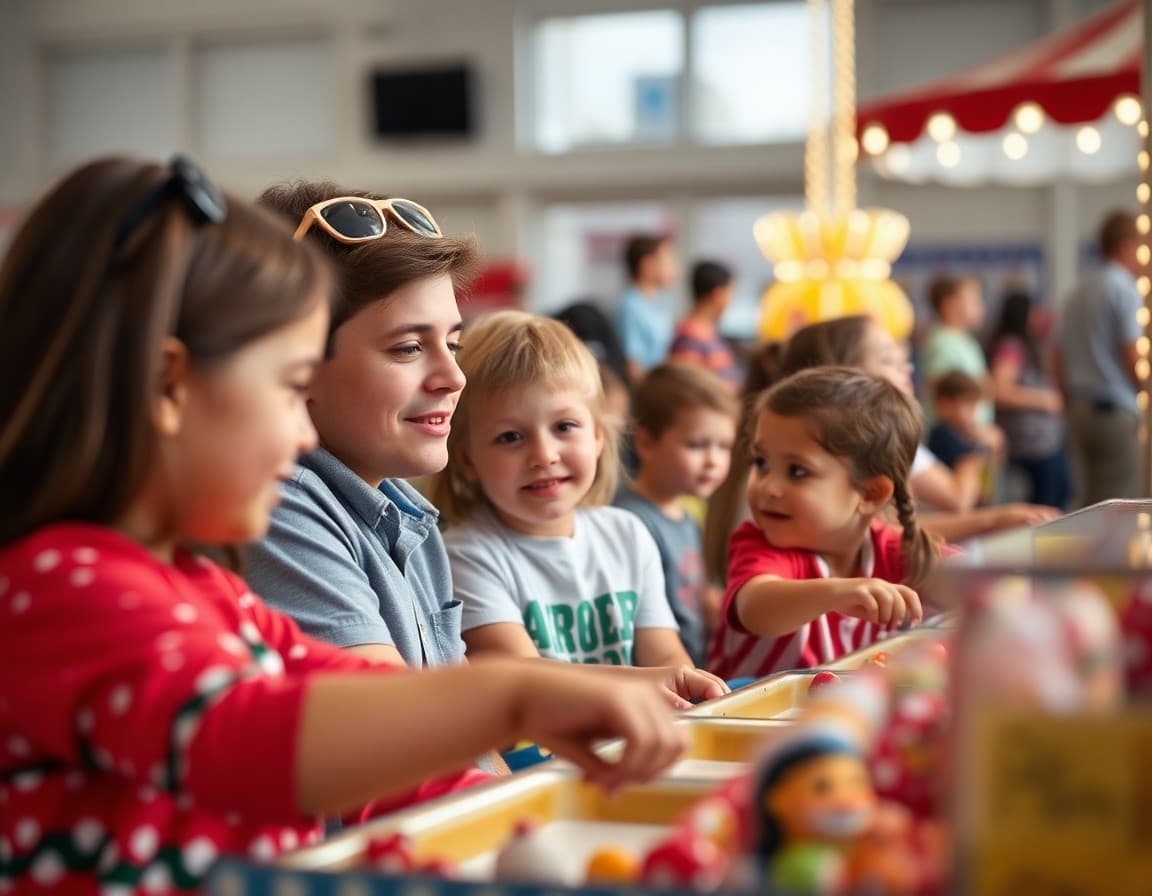
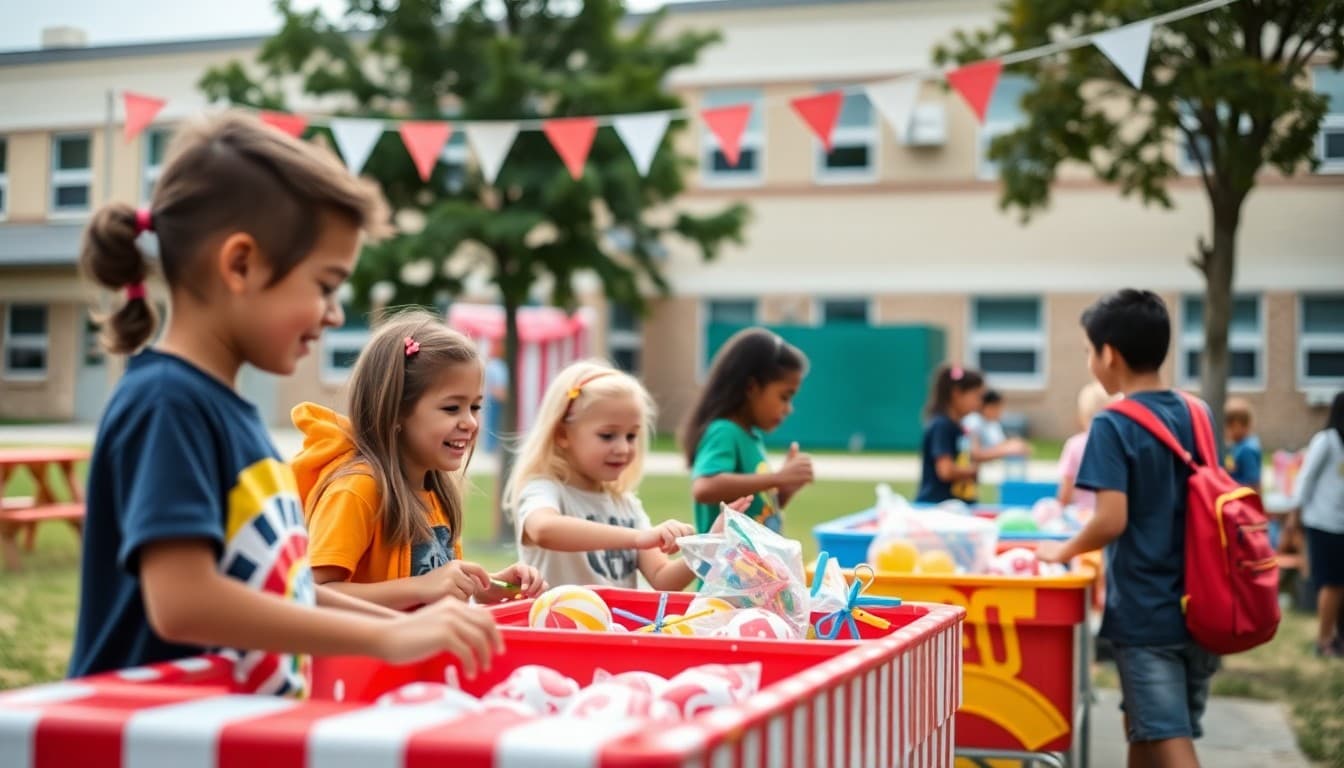
A school carnival is the event families remember years after their children have moved on. The rides, the games, the smell of popcorn, the sight of teachers running game booths -- it is the kind of school experience that builds lasting community. A newsletter that communicates the carnival well fills the parking lot and generates the volunteer army that makes it happen.
The Announcement Newsletter: Create the Calendar Commitment
The first carnival newsletter has one primary job: get the date on family calendars before competing events fill the weekend. Send it four to six weeks in advance with a "mark your calendar" opener, the key logistics (date, time, location, approximate cost), and the call to action for early bird ticket purchase if you offer one.
A brief activity preview in the announcement newsletter -- "rides, game booths run by each class, a dunk tank, face painting, three food options including our famous pie booth" -- paints a picture that makes the carnival feel real and worth planning around. Families who can visualize the event are more likely to hold the date.
The Full Logistics Newsletter: Prepare Families Thoroughly
Two weeks before the carnival, send the complete logistics newsletter. This is the newsletter families refer to on the day of the event. Cover: the full activity list, the map of the carnival layout if available, all ticket and pricing information, parking and arrival instructions, what food is available and approximate cost, the schedule for any special performances or activities, and the volunteer assignment list for families who have already signed up.
Include the weather contingency plan: "In the event of rain, outdoor activities will be cancelled and we will move the event to the gymnasium and cafeteria. Rides are weather-dependent. A weather decision will be announced by [time] on the day via [platform]." Families who know the plan in advance accept weather adjustments more calmly.
A Template Carnival Invitation Section
Here is a complete invitation that works:
"[School] Spring Carnival -- [Date] from [time] to [time]. Location: [school name and address, specific entrance]. Cost: $[wristband price] for unlimited rides and games (food sold separately). Advance tickets at [link] through [date] -- $[discount price]. Full price at the gate ([cash/card accepted]). What's happening: rides for all ages, game booths run by each grade, face painting, balloon animals, [food options], and a raffle drawing at [time]. Volunteers needed: [link] -- shifts available from [time] to [time]. Weather updates: follow [school social media/text system]."
Carnival Games Organized by Class or Grade
Many school carnivals assign each class a booth to run. This is a great community-building structure that engages families directly in making the event happen. Your newsletter should explain this structure if you use it: "Each classroom has been assigned a game booth at this year's carnival. Room 14 is running the ring toss. Room 8 is running the fishing pond. Teachers coordinate with room parent volunteers -- if you have not yet connected with your room parent about your class booth assignment, please do so before [date]."
This communication serves a dual purpose: it informs families about the booth structure and it creates mild accountability for class volunteers who need to prepare their booth before the event.
Fundraising Goal and Impact Communication
If the carnival is a fundraiser, make the goal and impact specific: "Our carnival goal this year is $18,000. All proceeds support our arts enrichment program -- last year's carnival funded the new stage lighting system in the auditorium that every grade level will use for performances this spring. Every ticket purchase, game token, and pie slice gets us closer to this year's goal." Families who understand specifically where the money goes participate more generously than those who receive a general fundraising appeal.
The Day-Before Reminder
A brief day-before reminder via email or text with practical information -- weather forecast, parking reminder, what to bring, and a reminder to pick up advance tickets if they have not -- converts family intention into actual attendance. Keep it short: a weather note, a "see you tomorrow at [time]" opener, and the three most practical logistics details is all it needs to be. The reminder reduces no-shows among families who marked the date but need a nudge to actually get in the car on a Saturday morning.
Get one newsletter idea every week.
Free. For teachers. No spam.
Frequently asked questions
What should a school carnival newsletter include?
A school carnival newsletter should cover: the event date, time, and location with parking instructions; what attractions are available (rides, games, food, entertainment); ticket or wristband pricing and where to purchase; whether pre-purchase discounts are available; volunteer sign-up links with specific roles and shifts; any bring-your-own items like blankets or chairs; weather contingency information; the fundraising goal if the carnival is a fundraiser; and a contact for questions. Specific detail about what families will find when they arrive is what turns a vague announcement into an event families prioritize.
How do you promote a school carnival newsletter to maximize attendance?
Send an announcement four weeks out with key dates and early-bird ticket information. Send a full logistics newsletter two weeks out with the complete schedule and activity list. Send a day-before reminder that includes practical details like parking, dress code (comfortable shoes), and weather forecast. For maximum reach, send via email, post on school social media, and send paper copies home with students. The announcement creates awareness; the logistics newsletter drives preparation; the reminder drives show-up.
How do you organize and recruit carnival volunteers through the newsletter?
Carnival volunteer recruitment requires specific, fillable roles rather than general appeals. Create a volunteer grid with each role (game booth operator, ticket table, face painting, setup crew, cleanup crew), the shift time window (typically 2 hours), and a direct sign-up link. Include the volunteer benefits clearly: free admission for volunteers, a complimentary meal ticket, and the satisfaction of making the event happen. Families who can give a defined two-hour shift and know exactly what they will do are much more likely to commit than those facing an open-ended 'please help' request.
How should a carnival newsletter address ticket pricing and purchasing?
Ticket information should be specific, not vague. Tell families exactly what a ticket or wristband buys: 'A $25 wristband covers unlimited rides and all game booths. Food is sold separately. Tickets can be purchased in advance at [link] or at the door (cash only at the door). Advance purchase saves $5 per wristband. Ticket deadline for advance purchase is [date].' Families who know the cost and purchasing options in advance arrive with the right amount of cash or pre-purchased tickets, which reduces door congestion and family frustration.
Can Daystage help schools run a school carnival newsletter campaign?
Yes. Daystage lets event coordinators build a professional carnival newsletter with photos from previous years, activity previews, ticket purchasing links, and volunteer sign-up forms all in one send. You can send the same newsletter to all school families or target specific grade levels for age-appropriate activity communication. Schools that use Daystage for carnival campaigns report consistently higher volunteer fill rates and better advance ticket sales because the newsletter looks and reads like an event worth planning your weekend around.

Adi Ackerman
Author
Adi Ackerman is a former classroom teacher and curriculum writer with 8 years in K-8 schools. She writes about school communication, parent engagement, and what actually works in real classrooms.
More for School Events
Ready to send your first newsletter?
3 newsletters free. No credit card. First one ready in under 5 minutes.
Get started free