
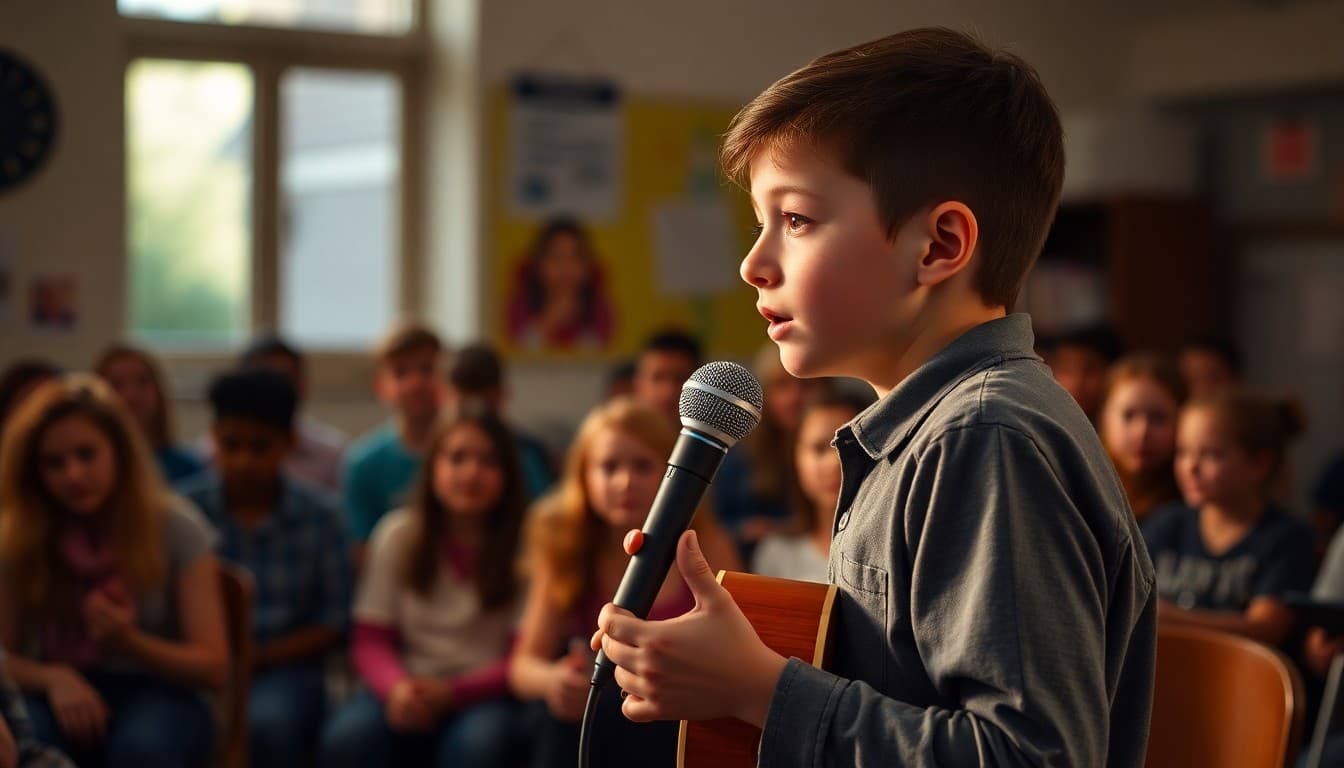
School Open Mic Night Newsletter: How to Promote a Student Performance Event
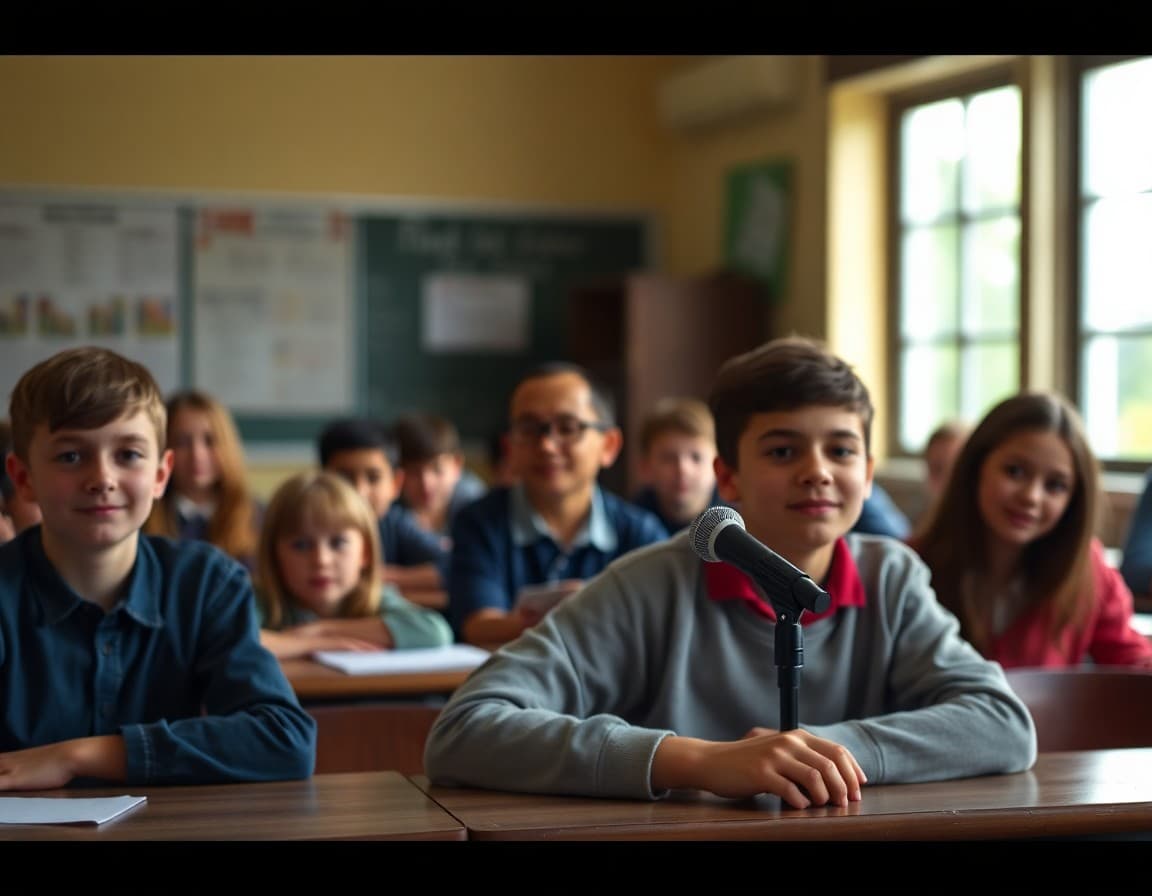
A school open mic night is one of the most authentic student showcase events a school can host. Unlike a rehearsed concert or a talent show with judges, an open mic celebrates voice in its broadest sense: a poem, a song, a comedy bit, a personal story. A newsletter that communicates this spirit clearly, and that invites both performers and audience members with equal enthusiasm, sets the tone for an evening that families actually talk about for weeks after.
Lead with the Invitation
The first message the newsletter should send is: everyone is welcome, as a performer or as an audience member. Many students think open mic nights are only for musicians or polished performers. Explicitly stating in the first paragraph that spoken word, comedy, storytelling, and any other performance type are all welcome breaks down that assumption and dramatically widens the pool of potential participants.
Performer Sign-Up Information
Give potential performers everything they need to decide and act: the sign-up deadline, the time limit per performance, what equipment is available (microphone, keyboard, music stand), what is not available, whether they can perform as a group, and how to request a specific equipment setup. A frictionless sign-up process, a form they can complete in two minutes, means students who are interested do not let indecision kill their participation.
Reassuring First-Timers
First-time performers are typically the majority of participants at a school open mic. They need explicit reassurance that the audience is supportive, that imperfection is not only acceptable but expected, and that the goal is expression rather than perfection. A sentence or two in the newsletter that speaks directly to the student who has never done anything like this but has always wanted to can be the difference between a student who participates and one who watches from the back of the room wishing they had.
Audience Experience
Families who are not parents of performers need a reason to come. Describe the audience experience, not just the performer information: the intimate atmosphere, the variety of performances, the chance to see students in a completely different light than the academic context. If there will be light refreshments, say so. If families can request specific songs or take photos, say that too. The more the newsletter makes the audience experience feel enjoyable, the stronger the turnout from families whose child is not performing.
Logistics That Matter
Cover the practical details that families use to decide whether to come: the start time, the expected end time, the location in the building, whether younger siblings are welcome, and the cost if any. Families with young children need to know if this is a late evening event. Families coming from work need to know how long to expect it to run. These details are not exciting, but leaving them out is the most common reason families say "we thought about coming but we weren't sure" after the event.
Building to the Evening
An initial announcement three weeks out, a performer spotlight (with permission) in the week-before newsletter, and a same-day reminder on the morning of the event create momentum and anticipation. If you can share one performer's plan for the evening, with their permission, in the pre-event newsletter, families start to feel invested in the outcome before they have arrived. Daystage makes it easy to build this multi-touch communication schedule around an event.
After the Open Mic
A brief follow-up newsletter with one or two highlights from the evening, a count of how many students performed, and a photo or two (with appropriate permission) celebrates the event and makes every family feel included in what happened, even those who could not attend. It also builds demand for the next open mic, which is the best outcome of the first one.
Get one newsletter idea every week.
Free. For teachers. No spam.
Frequently asked questions
What should a school open mic night newsletter include?
Event date, time, and location; how students can sign up to perform; what types of performances are welcome; time limits per performance; what families should bring; and a clear encouragement to attend even for families whose child is not performing.
How do you get students to sign up for a school open mic night?
Make sign-up easy (a simple form or a table during lunch), create enthusiasm by telling students what previous performers did, involve student leaders in recruiting performers, and reassure students that all types of performance are welcome. First-time performers often need explicit encouragement.
How do you balance the newsletter for performers versus audience families?
Split the newsletter: one section for potential performers with sign-up details, one section for all families with why the event is worth attending as an audience. Both groups need different information, and a newsletter that conflates them leaves one group confused.
What types of performances work for a school open mic night?
Songs, spoken word and poetry, comedy, short dance pieces, instrumental music, storytelling, and even stand-up comedy. Making clear that a wide range of performances are welcome, not just polished musical acts, dramatically increases participation.
What tool works best for open mic event newsletters?
Daystage includes RSVP and event blocks that work well for performance events. Families can confirm attendance directly from the newsletter, and the organizer can track turnout expectations before the evening.

Adi Ackerman
Author
Adi Ackerman is a former classroom teacher and curriculum writer with 8 years in K-8 schools. She writes about school communication, parent engagement, and what actually works in real classrooms.
More for School Events
Ready to send your first newsletter?
3 newsletters free. No credit card. First one ready in under 5 minutes.
Get started free