
School Newsletter for Groundhog Day: Ideas and Template
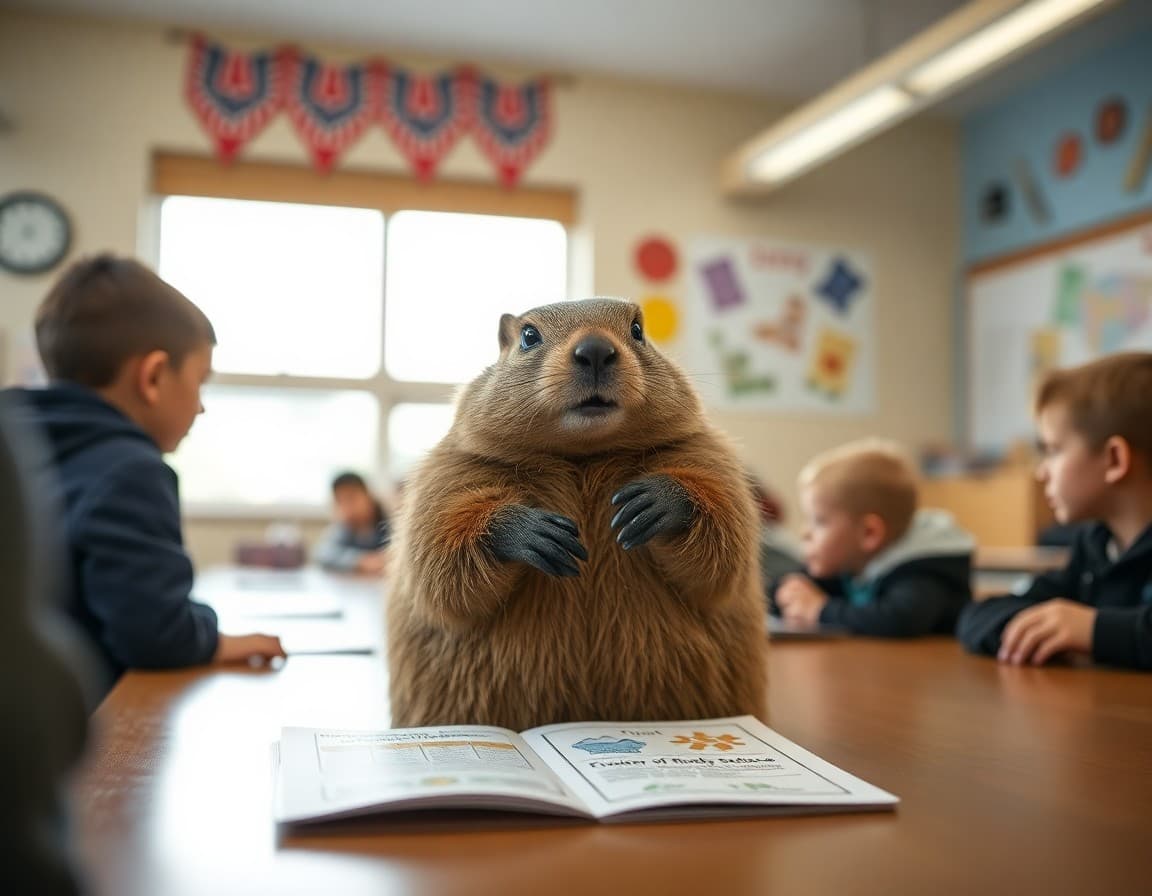
Groundhog Day on February 2 is not a school holiday, but it is a genuine classroom event. Students actually care about what Punxsutawney Phil predicts. The tradition generates conversation, connects to weather science, and provides a low-stakes hook for a February newsletter that otherwise has few exciting anchors. Used well, a Groundhog Day newsletter section makes the whole February communication more engaging for families.
The Science Behind the Tradition
Groundhog Day has roots in the German tradition of Candlemas, which held that if a hedgehog saw its shadow on February 2, winter would continue six more weeks. German immigrants brought this tradition to Pennsylvania in the 1800s and substituted the groundhog. The scientific reality is that Punxsutawney Phil's predictions are accurate roughly 40 percent of the time -- slightly worse than a coin flip. This is an excellent teaching moment about the difference between folk tradition and scientific prediction, and the newsletter can preview that classroom discussion for families.
Classroom Weather Prediction Activity
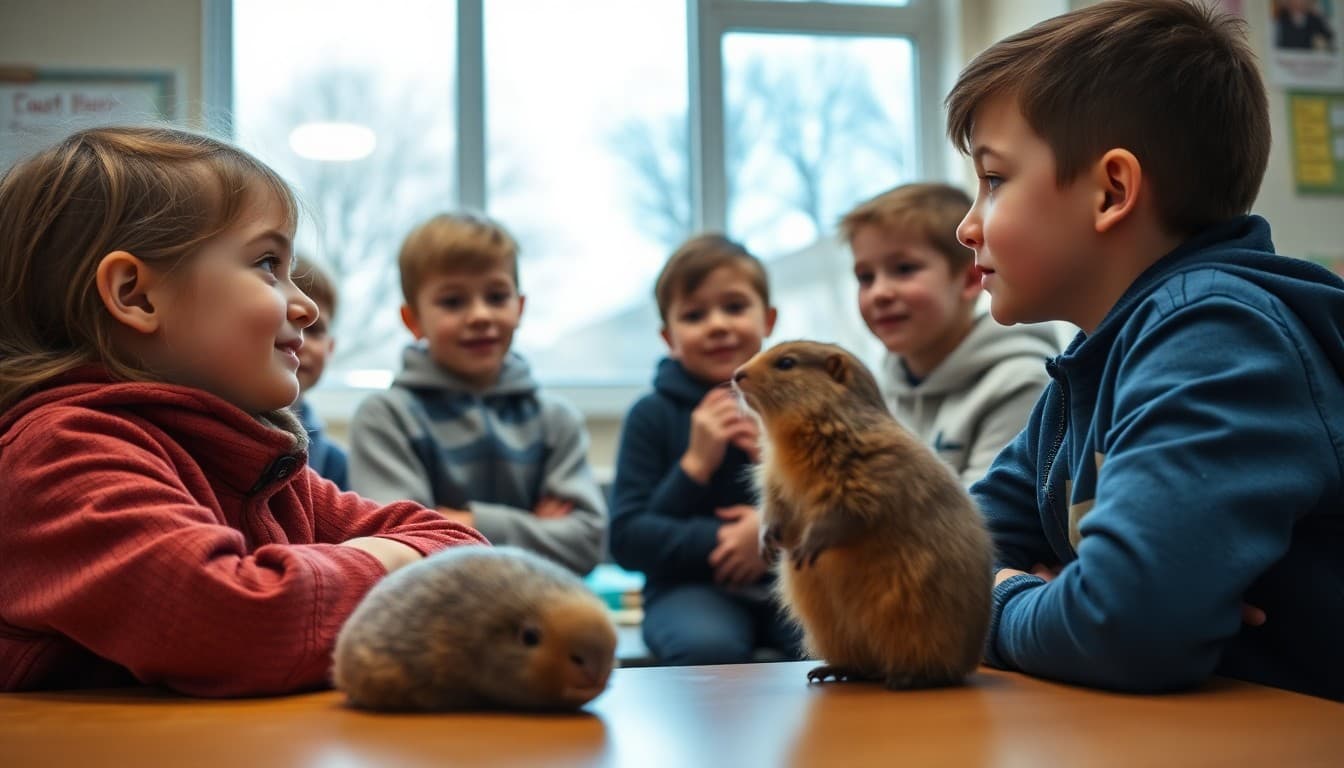
One of the best Groundhog Day classroom activities is having students make their own six-week weather prediction and then track the actual weather to check accuracy in mid-March. This activity teaches prediction, data collection, and honest assessment of results -- core scientific thinking skills. The newsletter can preview the activity and invite families to participate: "Ask your student today what they think -- will we have six more weeks of winter? Record their prediction and check back on March 16."
Template Section: Groundhog Day in Class
Here is a Groundhog Day newsletter section that is fun, science-connected, and brief:
"February 2 is Groundhog Day. This week in class we are using the tradition as a jumping-off point for weather science. Did you know Punxsutawney Phil is correct only about 40% of the time? Each student is making their own prediction for our city's weather between February 2 and March 16 -- and we will check the data together. Ask your student tonight: shadow or no shadow? Six more weeks of winter or an early spring?"
That is 84 words. It is fun, educational, and gives families a dinner conversation starter at the same time.
February Calendar: What Families Need to Know
Groundhog Day is the fun opener -- but families need the rest of February's calendar. Include Valentine's Day classroom party details (date, time, treat policy, whether cards are exchanged), Presidents' Day schedule (school open or closed), any state testing prep reminders, spring sports sign-up deadlines, and the end of the grading period if it falls in February. Bundle these into a clearly formatted date list below the Groundhog Day section so parents can scan it in 30 seconds.
Black History Month Content Connection
February is Black History Month, and many teachers are running related curriculum all month. The newsletter should mention what students are studying -- a biography, a historical event, a local civil rights connection -- so families can continue the conversation at home. Groundhog Day and Black History Month are not in competition for space; they serve different functions in the newsletter. Give each a dedicated section and keep both brief.
Historical Background to Share With Families
For families who want to go deeper, a few interesting Groundhog Day facts belong in the newsletter: the event in Punxsutawney, Pennsylvania, has been recorded since 1887. The groundhog is officially named Punxsutawney Phil and is said, according to local legend, to be the same groundhog every year -- kept alive by a magic elixir. The ceremony takes place at Gobbler's Knob, a small hill outside town, starting at 7:25 AM. This kind of specific detail makes the newsletter feel researched rather than generic, and students love hearing these facts read aloud at home.
Making February Newsletters Sustainable
February is a month when teachers are often managing post-January fatigue, Valentine's party logistics, and the acceleration toward spring testing season. A Groundhog Day section that takes five minutes to write and generates genuine family engagement is an efficient use of newsletter space. Keep the section short, make it fun, connect it to one real curriculum point, and move on to the dates families need. Groundhog Day earns its place in the newsletter because it makes the newsletter more readable -- not because it requires extensive treatment.
Get one newsletter idea every week.
Free. For teachers. No spam.
Frequently asked questions
Why include Groundhog Day in a school newsletter?
Groundhog Day on February 2 is one of the few folk traditions that connects directly to science curriculum -- specifically weather, prediction, and the scientific method. It is a low-stakes, high-fun holiday that generates genuine student excitement and creates a natural hook for a February newsletter that otherwise has few compelling events to anchor it.
How do I connect Groundhog Day to science curriculum in the newsletter?
The core science connection is the concept of prediction and observation. Does Punxsutawney Phil actually predict the weather? The newsletter can share the actual accuracy rate (research shows Phil's predictions are correct about 40 percent of the time) and prompt families to discuss what makes a prediction scientific versus folk tradition. For upper elementary, this connects to data analysis and the difference between correlation and causation.
What Groundhog Day classroom activities are worth mentioning in a newsletter?
Students can make their own weather predictions for the next six weeks, record them, and check accuracy in mid-March. They can research the history of Groundhog Day from its German Candlemas roots. They can build a simple shadow experiment to understand how shadows relate to time of day and season. The newsletter can preview whichever activity the class is doing.
What should the rest of a February newsletter include besides Groundhog Day?
February is a busy month. Include Valentine's Day classroom party details, Presidents' Day schedule information, Black History Month content highlights, upcoming assessments or projects, and spring sports or extracurricular sign-ups if those are opening. Groundhog Day is the hook -- the rest of the February dates are what families most need to see.
Does Daystage work for quick fun newsletters like a Groundhog Day edition?
Daystage works especially well for lighter newsletters where you want a fun visual and a quick turnaround. Add a groundhog graphic, fill in the February dates and classroom activity details, and send in under 15 minutes. Teachers use it for holiday newsletters that need to feel polished without taking an hour to produce.

Adi Ackerman
Author
Adi Ackerman is a former classroom teacher and curriculum writer with 8 years in K-8 schools. She writes about school communication, parent engagement, and what actually works in real classrooms.
More for School Events
Ready to send your first newsletter?
3 newsletters free. No credit card. First one ready in under 5 minutes.
Get started free