

School LEGO Contest Newsletter: Promoting a Creative Building Competition
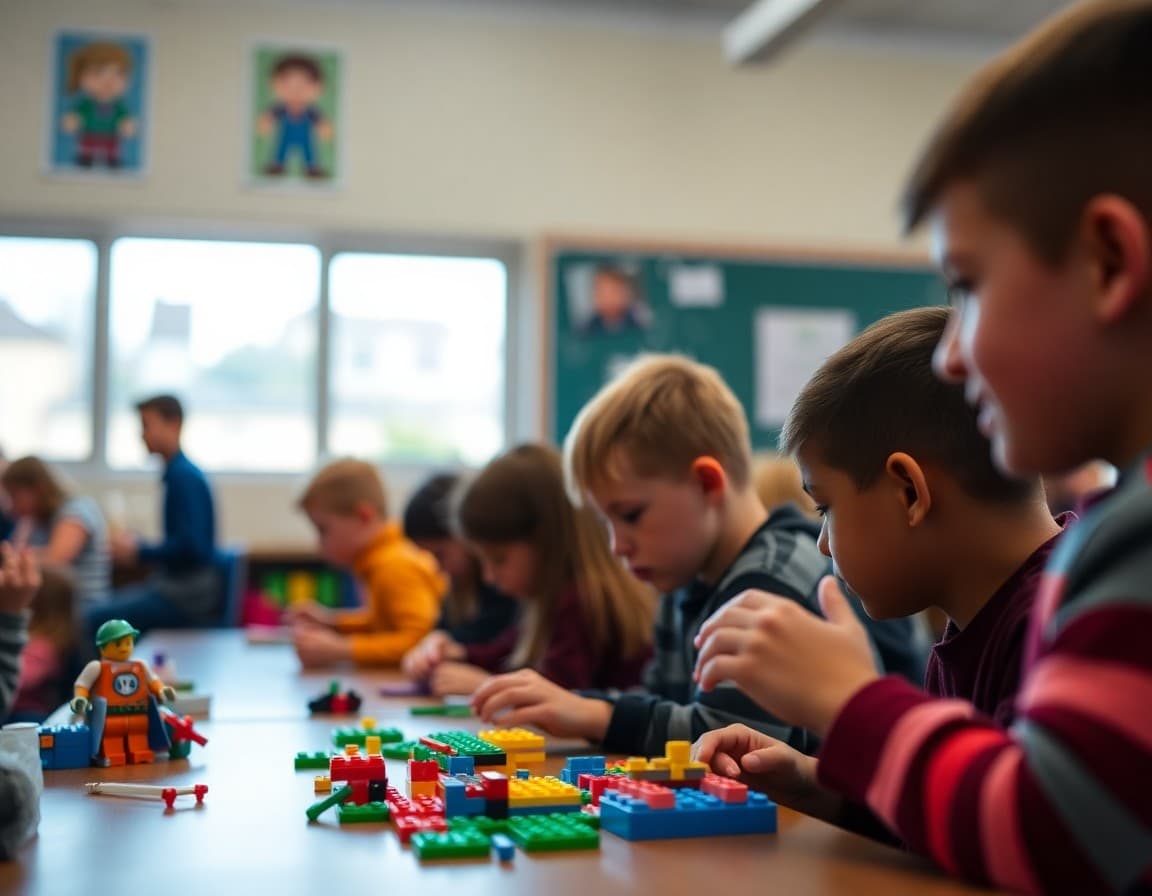
A school LEGO contest combines the universal appeal of building with the STEM skills schools are working to develop: spatial reasoning, structural design, creative problem-solving, and the ability to explain your thinking. A newsletter that presents the contest with genuine enthusiasm and clear guidelines gets students building at home and talking to each other about ideas before the competition has even started.
The Theme or Challenge
Every great LEGO contest starts with a compelling prompt. The newsletter should state the theme or challenge clearly and in language that fires up students' imaginations: "Build a community of the future where energy is completely renewable" or "Build the most interesting creature that could survive on another planet." A good prompt gives students enough constraint to focus their creativity and enough freedom to produce wildly different results. Include the theme in the subject line of the newsletter so students know immediately whether this is something that excites them.
How the Contest Works
Explain the practical details: Is this an individual or team contest? What grade bands are competing? What is the minimum and maximum building size? When is the submission deadline? Where will builds be displayed? A brief timeline (entry period, display week, winners announced) gives students a clear sequence to work with. Students who understand the full arc of the contest are more likely to plan and complete their entry rather than running out of time.
Judging Criteria
Students who know the judging criteria before they build can make intentional design decisions. Publish the rubric in the newsletter: how many points are available for creativity, for connection to the theme, for complexity, for presentation or explanation? Student-friendly language matters here. "How original and surprising is your design?" communicates more than "creativity score."
Making It Equitable
LEGO contests can inadvertently favor students from wealthier families who have large collections. Address this directly: will the school provide bricks during lunchtime sessions? Are teams of two or three students allowed so resources can be pooled? Is there a limited-brick category or challenge to ensure the winner is determined by design skill rather than the size of someone's collection? These equity measures make the contest genuinely fair and signal that every student is invited to compete on equal terms.
Prizes and Recognition
Prizes for a school LEGO contest do not need to be expensive to be motivating. A special display of winning builds in the front hallway, a certificate, a photo in the newsletter, and a small prize from the school store or a local business sponsor are all meaningful recognition. The display is often more motivating than the physical prize: students want their work to be seen and appreciated by the school community.
Encouraging Participation
Many students are interested in LEGO contests but feel uncertain about whether their building is good enough to enter. The newsletter should explicitly address this: the contest is about creative effort and interesting ideas, not perfection. Including a quote from a previous year's participant about what they built and how it felt to show it helps students who are on the fence visualize themselves participating. Lower the psychological barrier to entry and more students will build.
The Display Event
A LEGO contest is most impactful when the builds are displayed for the school community and for families. If you are hosting a display evening or open house, promote it in the newsletter alongside the entry information. Families who come to see the builds become part of the celebration, and students who know their work will be seen by families and peers are more motivated to put in their best effort.
Get one newsletter idea every week.
Free. For teachers. No spam.
Frequently asked questions
What should a school LEGO contest newsletter include?
The contest theme or challenge, submission deadline and display date, judging criteria in student-friendly language, age group categories if applicable, prize or recognition format, and any specific LEGO set requirements or restrictions.
How do you make a school LEGO contest accessible to all students regardless of how many bricks they own?
Offer school-provided bricks during lunchtime or afterschool building sessions, allow teams of students to pool their resources, and have categories or challenges that can be completed with a limited number of pieces. Equity matters for contest participation.
How do you judge a school LEGO contest fairly?
Use clear rubric criteria that students can read in advance: creativity, complexity, connection to the theme, structural integrity, and student explanation of their design. Multiple judges with averaged scores and a student presentation component are all standard approaches.
What LEGO contest themes work well for schools?
Community of the future, solve a school problem, a scene from a book the school is reading, a historical moment from the current social studies unit, or simply 'your biggest dream.' Themes that connect to academic content give the contest educational value beyond the fun.
What tool works best for school LEGO contest newsletters?
Daystage makes it easy to include contest details, judging criteria, and registration forms in a newsletter that families can refer back to. Its event RSVP features work well for tracking who plans to enter.

Adi Ackerman
Author
Adi Ackerman is a former classroom teacher and curriculum writer with 8 years in K-8 schools. She writes about school communication, parent engagement, and what actually works in real classrooms.
More for School Events
Ready to send your first newsletter?
3 newsletters free. No credit card. First one ready in under 5 minutes.
Get started free