

School Culinary Competition Newsletter: Cooking for the Win
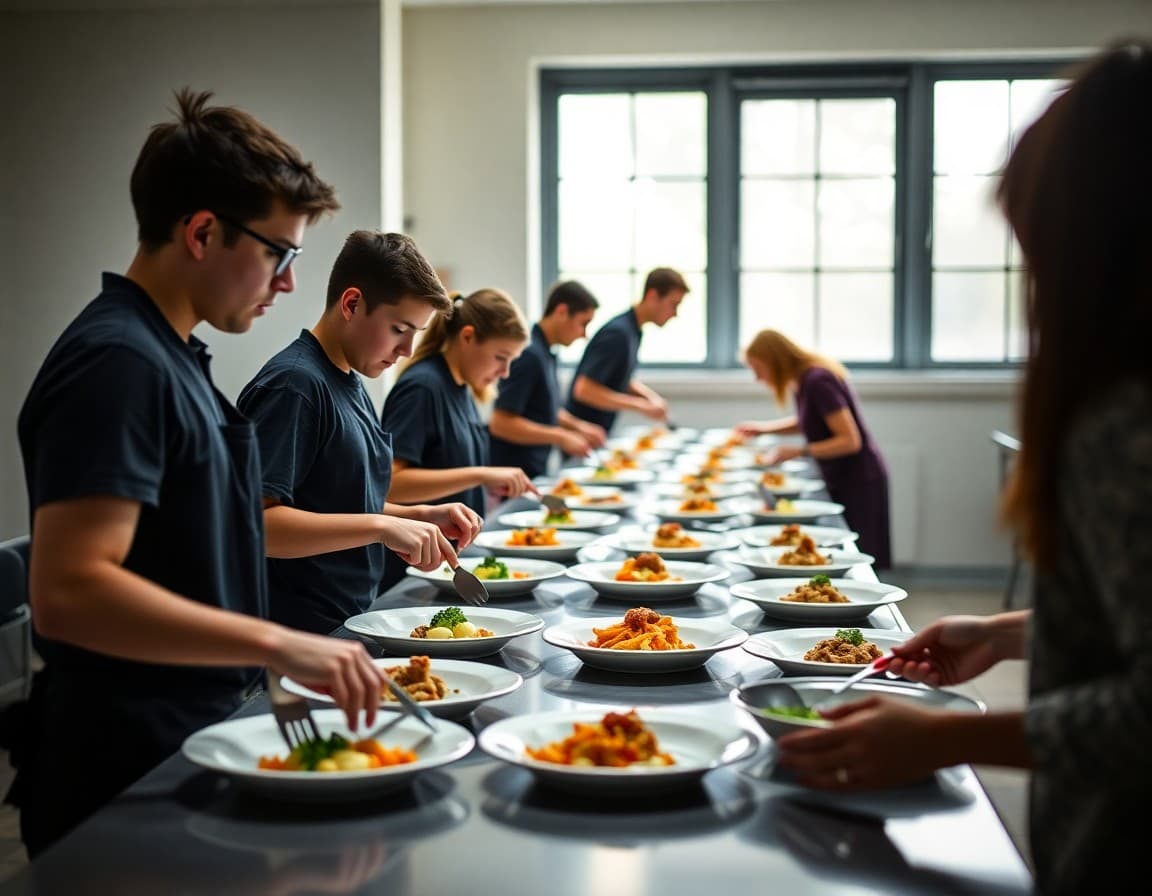
A culinary competition is one of the most intense and visible moments in any culinary arts program's year. The newsletter before, during, and after the event builds community around the team and makes the work students have done visible to everyone who wasn't in the kitchen for those 60 hours of practice.
Announcing the Competition
The first newsletter in competition season should explain what competition the team is entering, who it is run by, what the format is, and what the stakes are. Don't assume families know what SkillsUSA is or what happens at a ProStart competition. "We have entered the regional SkillsUSA Culinary Arts competition scheduled for February 15 at Riverside Community College. Teams of two will have 60 minutes to prepare a three-course meal for two covers from a set basket of 12 ingredients revealed at the start of the competition. Judges score on mise en place, cooking technique, food safety, taste, and plating. The top two teams from our region advance to the state competition in April."
Team Roster and Preparation
Name the team members and their roles. Families appreciate knowing who is competing and what each person's responsibility is during the event: "This year's competition team: Jordan Chen (hot foods, lead cook) and Priya Patel (cold foods and plating). They have been training together Tuesday and Thursday afternoons for six weeks. In the last practice session, they executed their three-course menu in 54 minutes with consistent plating results on both covers. The target is under 50 minutes with zero food safety violations."
The Practice Menu
Include the practice menu students are developing so families understand the level of work being done. Culinary competition menus at the high school level are often more sophisticated than families expect:
Current practice menu (subject to change based on competition basket):
First course: Roasted beet and goat cheese salad with orange vinaigrette and candied walnuts.
Main course: Pan-seared chicken breast with a pan sauce, roasted fingerling potatoes, and sauteed broccolini with lemon and garlic.
Dessert: Creme brulee with fresh berries (practice batch: 90% success rate on custard set and caramelization).
This menu represents approximately 200 hours of collective practice time across both team members since September.
Template Excerpt: Post-Competition Newsletter
Regional SkillsUSA Results - February 15
First place. Jordan Chen and Priya Patel won the regional SkillsUSA Culinary Arts competition on Saturday, earning the right to represent Jefferson High at the state competition in Springfield on April 12.
Judge scores: Mise en place: 29/30. Cooking technique: 57/60. Food safety: 30/30 (perfect score). Taste: 83/90. Plating: 27/30. Total: 226/240. The team finished their three-course menu in 48 minutes and 12 seconds with both covers plated simultaneously.
Judge comment: "The pan sauce on the chicken was restaurant quality. The creme brulee was the most technically proficient entry of the day. The team's communication under pressure was calm and professional. This is a well-coached program."
Chef Torres has been coaching this team for six weeks, two afternoons per week, plus two full Saturday practice sessions. State competition prep begins March 1.
How Families Can Support the Team
Give families specific ways to support the competition team beyond general encouragement: attending the competition if it is open to observers, donating specific ingredients the team needs for practice sessions at home, connecting the team with a local restaurant professional who would be willing to provide a practice critique, or simply asking their student to explain the menu and watch as they describe what they're making and why. That conversation reinforces their confidence and helps them articulate their work clearly, which matters in the judging environment.
Get one newsletter idea every week.
Free. For teachers. No spam.
Frequently asked questions
What should a school culinary competition newsletter include?
Competition name and format, team roster and roles, what menu they are preparing and why, what judging criteria will be used, how families can support the team before competition day, results and judge feedback after the event, and any next steps in the competition season. Culinary competitions have specific formats that the newsletter should explain for families unfamiliar with the structure.
What culinary competitions do high school programs typically enter?
The most common are Skills USA culinary competitions at regional, state, and national levels. ProStart student competitions through the National Restaurant Association Educational Foundation are also common. Local and regional competitions sponsored by hospitality industry organizations, community colleges, and culinary schools round out the calendar. The newsletter should name the specific competition and explain its prestige and format.
How do you describe culinary competition judging criteria in a newsletter?
Judge criteria typically cover mise en place and station setup, knife skills and cooking technique, food safety and sanitation practices, taste and seasoning, plating presentation and consistency, and teamwork during the timed event. Knowing the criteria helps families understand what students are training for and gives them specific things to ask about when their child comes home from practice.
How far in advance should a culinary competition newsletter be sent?
Send an announcement newsletter at least three weeks before the competition so families can arrange attendance if they want to observe. A pre-competition logistics newsletter one week out covers final details. A post-competition results newsletter within 48 hours of the event while the excitement is still present gets the best engagement rates.
Does Daystage work for competition-focused newsletters sent to a small culinary team?
Yes. Daystage supports newsletters sent to any size group. A culinary competition newsletter sent to 20 team families and the broader school community can be built and sent quickly using the same platform as a school-wide newsletter. The photo gallery feature is particularly useful for showcasing student dishes and competition action photos.

Adi Ackerman
Author
Adi Ackerman is a former classroom teacher and curriculum writer with 8 years in K-8 schools. She writes about school communication, parent engagement, and what actually works in real classrooms.
More for School Events
Ready to send your first newsletter?
3 newsletters free. No credit card. First one ready in under 5 minutes.
Get started free