
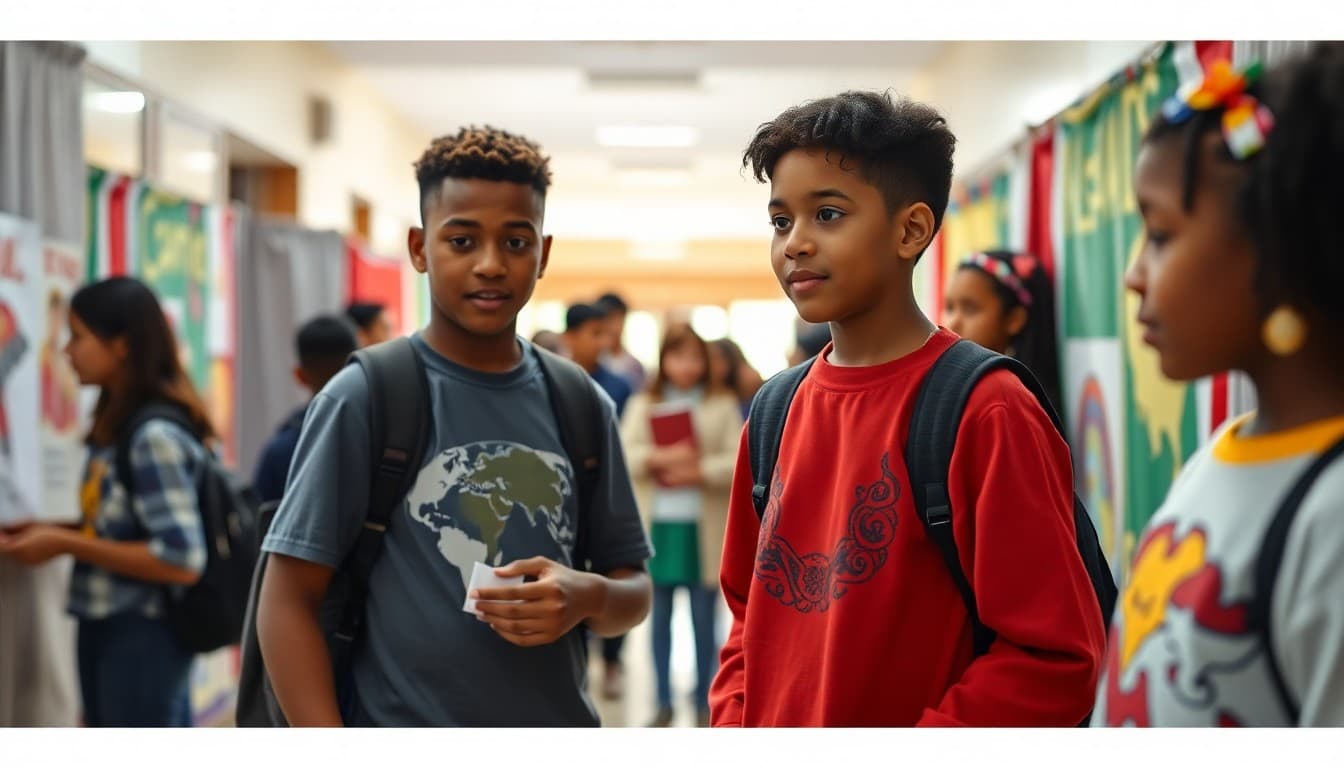
School International Day Newsletter: Global Cultures Celebration
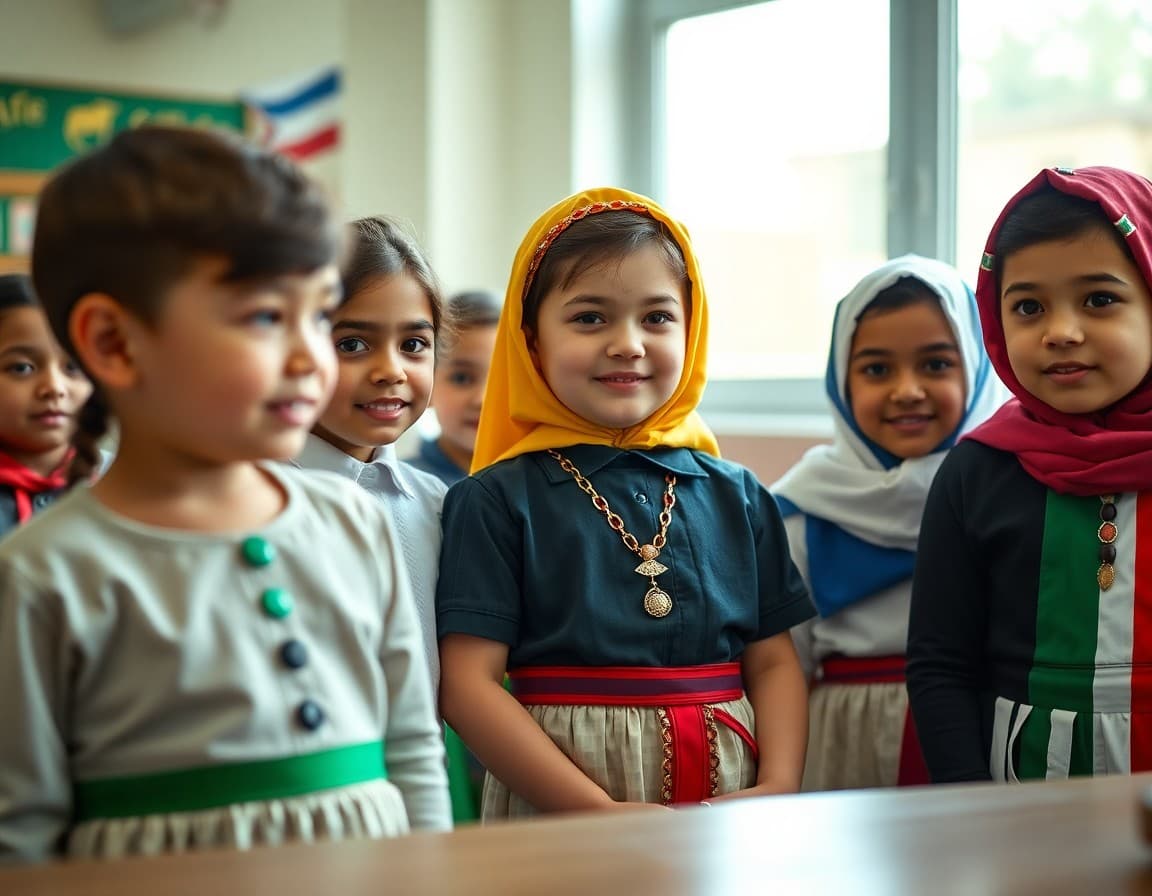
International day is one of the few school events where families are the experts. The teachers and administrators are facilitating. The families are the ones who know the food, the stories, the artifacts, and the music. That reversal of roles is what makes international day powerful, and the newsletter is what makes it possible by reaching families with enough clarity and warmth that they say yes to participating.
Invite participation early with low barriers
The participation recruitment newsletter should go out at least four weeks before the event. Frame the ask around what each family can share, not what the school expects them to produce. Some families will bring a full spread of home-cooked food and hand-sewn traditional clothing. Others will bring a poster with family photos and a recipe card. Both are valuable. The newsletter should make both feel welcome.
Include a registration link or reply-to address so families can sign up and receive a planning guide with what the school provides (table, tablecloth, signage materials) and what they need to bring.
Give the general family invitation enough detail to plan
The invitation newsletter to non-participating families should describe what they will experience: "Walk through booths representing [X] countries. Sample traditional foods. See traditional clothing, artifacts, and musical instruments. Watch student performances from the Latin American, South Asian, and East African cultural groups."
Include the time range and whether admission is free. Note whether young children are welcome and whether there is seating or if the event is primarily a walk-through experience.
Address dress code thoughtfully
Many schools encourage students to wear traditional clothing from their heritage on international day. The newsletter should invite this without making it mandatory or framing it as costume-wearing: "Students who wish to wear traditional clothing from their cultural heritage are warmly invited to do so. There is no requirement and all students may wear regular school clothes."
That framing is important. Mandatory cultural dress requirements at events like this have been criticized as performative and uncomfortable for students who do not have a clear single cultural heritage to represent.
Coordinate food carefully
Food is often the most memorable part of international day and also the most logistically complex. The newsletter needs to specify food safety guidelines, allergy labeling requirements, whether families should bring serving equipment, and what portion size to plan for. "Plan for approximately 40 small taste samples per dish" gives families something to work with.
Template: international day participation invitation
"Jefferson Elementary's International Day is Friday, April 25 from 10:00 a.m. to 1:00 p.m. This year we are aiming for 30 cultural booths. If your family would like to share your culture, food, language, music, art, or traditions, please sign up at [link] by April 11. The school provides tables, tablecloths, and a signage kit. You bring whatever you would like to share. No booth is too small. Questions? Contact Ms. Torres at [email]."
Create a student learning framework
International day works better as a learning experience when students arrive with something to do at each booth beyond just eating and looking. Many schools give students a passport booklet to fill in at each booth, asking them to note one fact about the country or culture. The newsletter should describe this structure so families know what their students will be doing and why.
Recap by naming every participant
The post-event recap should list every family and country represented. This is the payoff for the families who spent a week preparing their booth: seeing their culture named alongside the 22 others in the school newsletter. Total attendance, any fundraising results, and a genuine thank-you to the organizing team close the recap in a way that builds momentum for next year.
Get one newsletter idea every week.
Free. For teachers. No spam.
Frequently asked questions
What should a school international day newsletter include?
Cover the event date, time, location, and what families can expect to experience: cultural booths, performances, food, crafts, and any student presentations. List which countries or regions are being represented if participation is confirmed. Explain how families can contribute by hosting a booth, bringing food, volunteering, or donating materials. Include any dress code guidance for students who want to wear traditional clothing from their heritage.
How do you recruit family participation through the international day newsletter?
Make it easy and low-pressure. Describe what hosting a booth might look like: 'You can share anything from your culture including food, music, photos, artifacts, traditional games, or clothing. There is no minimum display requirement. If you want to participate, we will provide you with a table, signage materials, and a brief planning guide.' Families who feel the bar is achievable are more likely to sign up.
How do you communicate cultural respect in the international day newsletter?
Acknowledge that international day events work best when every culture represented is treated with genuine curiosity and respect, not as entertainment. A line like 'this event is a learning experience for our whole community. We ask every family who attends to approach each booth as an invitation to understand another culture's story' sets the right frame.
What makes a good international day recap newsletter?
Name every country and family represented. Give a sense of the breadth: 'This year's event represented 23 countries across 6 continents.' Include a photo if possible. Quote a participating family about what the experience meant to them. Thank every volunteer and coordinator by name. The recap is where participating families feel seen for their contribution.
How does Daystage help with international day communication?
Daystage lets you send a volunteer recruitment newsletter to participating families and a separate general invitation to the school community. The event block makes it easy to include the day's schedule with the booth setup time, public opening time, performance segments, and closing time so families know exactly when to arrive.

Adi Ackerman
Author
Adi Ackerman is a former classroom teacher and curriculum writer with 8 years in K-8 schools. She writes about school communication, parent engagement, and what actually works in real classrooms.
More for School Events
Ready to send your first newsletter?
3 newsletters free. No credit card. First one ready in under 5 minutes.
Get started free