
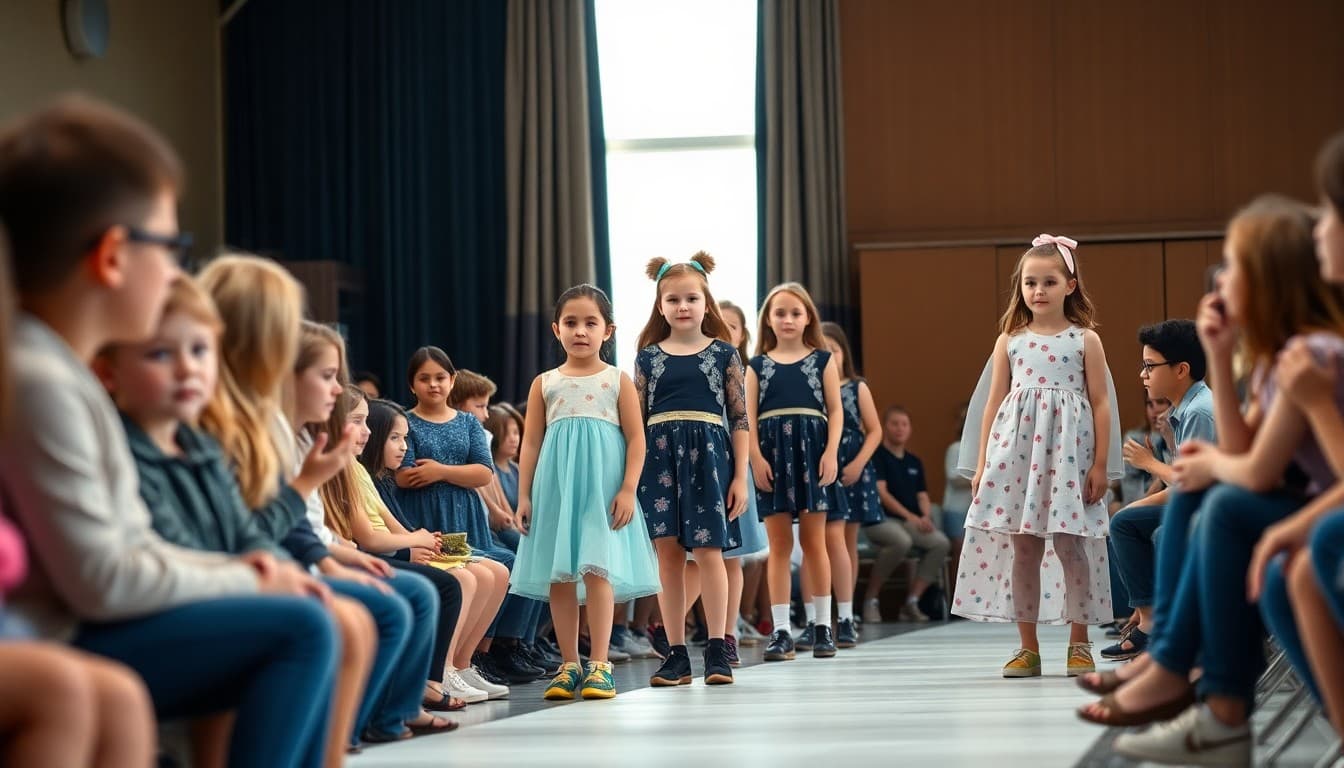
School Fashion Show Newsletter: Design and Performance Event

A school fashion show is one of those events that most of the school community does not know exists until it happens once and becomes a tradition. The newsletter around the show is what builds that community. Done well, the invitation creates genuine excitement. The post-show recap creates enough demand that the show sells out next year.
Lead with the design program, not just the show
Most families do not know that the school offers a fashion design, textiles, or family and consumer sciences class until they receive the fashion show newsletter. The invitation is an opportunity to introduce the program: "Jefferson High School's Fashion and Textile Design class presents its fifth annual student fashion show. The 22 students in this year's class designed and constructed every garment in the collection from pattern to finished piece."
That framing changes how families approach the event. They are not going to watch students walk in store-bought outfits. They are going to see student work in the same category as art, engineering, or music.
Describe the show's theme or concept
Fashion shows often have a central theme, and naming it in the invitation creates anticipation. "This year's collection, 'Roots,' explores the intersection of students' cultural backgrounds with contemporary fashion" gives families something to look forward to beyond the logistics.
If there are multiple classes or groups presenting different collections, name each with its theme or description. A show with three distinct student collections feels like an event worth attending rather than a single extended presentation.
Give ticket and seating information clearly
Fashion shows often have limited seating. If tickets are required, state where and how to purchase them, the price, and whether there is a cutoff date. If the show sells out, it is better to communicate that in the newsletter and offer a waiting list than to have families arrive at the door and be turned away.
Reserved versus general seating, whether front row requires a separate ticket, and any VIP or designer-family reserved sections should all be addressed before families show up with expectations about where they will sit.
Prepare model and designer families separately
The students walking the runway and the students whose work is being shown need different information than general audience families. A separate logistics section or newsletter covers:
- Backstage arrival time and entrance location
- How garments are transported and who is responsible for them
- Hair and makeup expectations (whether provided or self-managed)
- Footwear requirements for the runway
- Post-show garment return or pickup process
A student who shows up to the backstage entrance 45 minutes late because the newsletter only listed the public door time is a preventable problem.
Set photography expectations in advance
A runway event with students dressed in creative garments needs clear photography and social media policies communicated before the event: "Families may photograph and video from their seats for personal use. Please do not post photos of students on public social media without their consent. A school photographer will capture the full show and images will be shared with families via the school newsletter."
Template: fashion show invitation paragraph
"You are invited to the Washington High Fashion Show: 'Roots' on Friday, May 16 at 7:00 p.m. in the main gymnasium. Doors open at 6:30 p.m. Tickets are $12 at the door or $10 in advance at [link]. The show features 22 student-designed and constructed garments from Ms. Chen's Fashion Design I and II classes. Running time is approximately one hour. Student designers and models should arrive at the backstage entrance by 5:30 p.m."
Recap the show with the designers named
The post-show newsletter should name the student designers and the work they created. Not every student can be quoted, but listing the full class of designers with the name of their featured piece gives every student's family something to share: "Congratulations to all 22 designers in this year's collection. Their names and garments are listed below."
Include a few photos from the runway, a teacher quote, attendance numbers, and any fundraising total if the show benefited the art or textiles program. Close with information about how students can enroll in the design course next year.
Get one newsletter idea every week.
Free. For teachers. No spam.
Frequently asked questions
What should a school fashion show newsletter include?
Cover the show date, time, location, ticket information, and approximate runtime. Describe which classes or programs are presenting and the theme or concept for their collections. For families of student designers and models, include backstage arrival time, any costume handling instructions, and what happens after the show. If the event is tied to a fashion design, textiles, or family and consumer sciences class, explain that connection in the newsletter.
How do you build anticipation for a school fashion show in the newsletter?
Describe the design process students went through, not just what they made. A sentence like 'students in Ms. Chen's fashion design class spent eight weeks sketching concepts, sourcing fabric, and constructing their garments by hand' sets the audience's expectations appropriately and builds appreciation before the first model walks the runway.
What photography and social media policies matter for a school fashion show?
Fashion shows involve students as both designers and models, sometimes in creative or form-fitting garments. Set clear expectations in the pre-show newsletter: whether families may photograph students on the runway, whether videos may be posted publicly, and whether the school's photographer will capture professional shots available to families afterward. These policies matter more here than at many other school events.
How do you include community sponsors in a fashion show newsletter?
If fabric stores, local boutiques, or sewing supply companies donated materials, name them in the invitation newsletter and again in the post-show recap. Sponsors who see their name in front of the school community are more likely to support future events. A line like 'this show was made possible in part by a material donation from Fabric World on Main Street' takes five seconds to write and builds a lasting relationship.
How does Daystage support performance event newsletters like fashion shows?
Daystage lets you send the invitation, the ticket reminder, the backstage logistics newsletter for participating students, and the post-show recap as a coordinated series. Photos from the show can be included directly in the recap newsletter the next day so families who attended can share and families who missed it get a sense of what happened.

Adi Ackerman
Author
Adi Ackerman is a former classroom teacher and curriculum writer with 8 years in K-8 schools. She writes about school communication, parent engagement, and what actually works in real classrooms.
More for School Events
Ready to send your first newsletter?
3 newsletters free. No credit card. First one ready in under 5 minutes.
Get started free