

School Fair Newsletter: Planning and Promoting Your Event
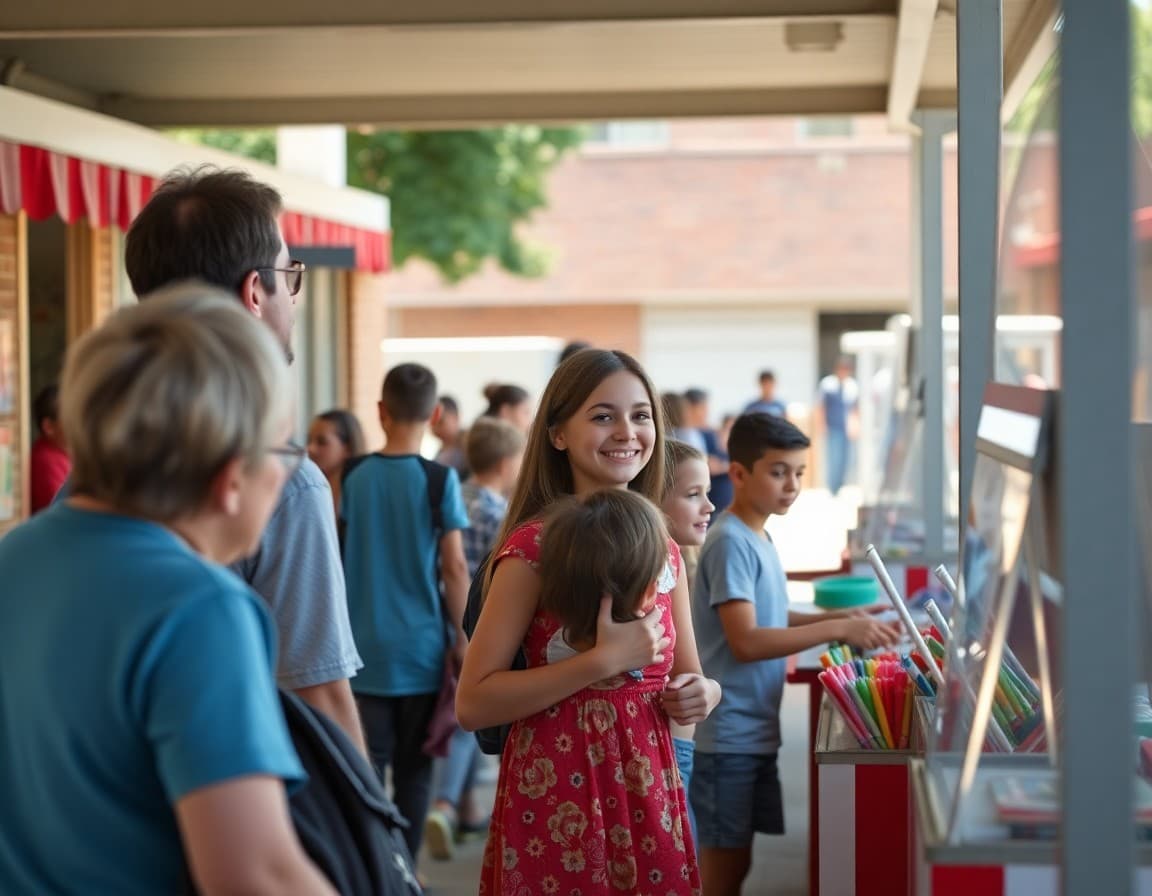
A school fair is one of the most community-building events on the school calendar. It brings together students, families, teachers, and community members in a way that few other school events do. Getting families there -- and getting them prepared when they arrive -- starts with a newsletter that makes the event feel unmissable.
The Announcement Newsletter: Creating Anticipation
Your first school fair newsletter should do two things: confirm the date and location with enough specificity that families can mark their calendars and plan, and build excitement about what the fair will include. A dry announcement -- "[School] Fair is on [date]" -- does not create the anticipation that drives attendance. An announcement that describes the fair vividly -- "rides for the kids, a pie-eating contest, three food trucks, student-run game booths, a dunk tank, and a live student band performance" -- makes it feel like something families do not want to miss.
Include a clear "save the date" section with the date, time, location, and entry cost. Keep the first announcement newsletter relatively short -- its job is to plant the date in family calendars. The full logistics go in the reminder newsletter closer to the event.
The Reminder Newsletter: Full Logistics
The reminder newsletter, sent one week before the fair, should include everything families need to arrive prepared: full schedule of the day's events, a map of the fair layout if available, parking instructions, what the entry cost includes and where to buy tickets, what food will be available and approximate costs, activities for different age groups, the volunteer assignment list, and the weather contingency plan.
A good reminder newsletter answers these questions before families have to ask: Where do I park? Do I need cash? Is there food included in admission or do I bring money? What time do gates open? What do I bring for the little kids?
A Template Fair Invitation Newsletter
Here is an invitation section that works:
"[School] Annual Spring Fair -- [Date] from [time] to [time] at [location]. Free admission with gate ticket ($[price] at the door, $[price] advance purchase at [link]). What to expect: game booths run by student classes, [X] food vendors, rides for students PreK through grade 5, live music by our school's fifth-grade band at 11am, and our famous pie contest at 2pm. Bring lawn chairs and sunscreen. Parking is available at [location]. Rain plan: see 'weather information' below. Volunteer to help: [link]. Donate a pie for the contest: [link]."
Fundraising Communication
If the school fair is a fundraiser, communicate the goal and the use of proceeds clearly. "This year's fair goal is $12,000, which will fund new playground equipment for our primary wing. Last year we raised $9,400 and installed the new climbing structure that students use every day." Concrete past results connected to a specific future outcome motivate families to spend more freely on games, food, and raffle tickets.
A running total on the day of the event -- updated hourly on a whiteboard or digital screen -- creates community momentum around the fundraising goal. Include this plan in your pre-event newsletter so families know to look for it.
Volunteer Coordination Communication
A school fair typically requires 30 to 60 volunteers for a full event day. Your newsletter should break this down into specific, fillable slots rather than a general appeal. Create a clear volunteer list that covers: booth staffing (who runs which game, for which shift), setup crew (what time, what tasks), food service support, parking and entrance management, cleanup crew, and class room parent coordination for student booths.
Assign each shift a time window of two to three hours rather than asking volunteers to commit to the full day. A family that can give two hours on a Saturday morning is a family you have. A family who feels the only option is a full-day commitment is a family you lose.
Student Booth Coordination Communication
Many school fairs feature student-run game booths organized by class, grade, or club. Your newsletter should communicate to classroom teachers and parents what is expected for their class booth: who staffs it, what game is assigned, what materials are provided, what they need to supply, and when setup should begin. A separate communication to class parents and teachers handles this, but a reference to it in the general fair newsletter coordinates everyone's expectations.
Get one newsletter idea every week.
Free. For teachers. No spam.
Frequently asked questions
What should a school fair newsletter include?
A school fair newsletter should cover: date, time, and location with parking instructions; what activities and attractions will be available (games, food, rides, performances, class booths); ticket or entry cost and where to purchase; volunteer sign-up opportunities with specific roles and shifts; any bring-your-own items (blankets, lawn chairs, cash for food vendors); weather contingency plans; and a contact for questions. If the fair is a fundraiser, include the fundraising goal and how funds will be used.
How far in advance should a school fair newsletter go out?
Send an initial announcement three to four weeks in advance to allow families to mark the date. Send a reminder newsletter one week before the event with full logistics details. A day-before reminder via text or push notification is useful for families who need a nudge to actually attend. The initial announcement drives calendar marking; the reminder newsletter drives attendance. Both are necessary for maximum turnout at a school fair.
How do you recruit volunteers through a school fair newsletter?
Volunteer recruitment works best when the newsletter includes a specific list of booth assignments, setup and cleanup shifts, and other roles with direct sign-up links. Assign each volunteer role a shift length and a specific description: 'Booth 3: Ring Toss -- run the ring toss game for 30 students per hour, manage tickets, keep the booth stocked -- shifts available 10am-noon, noon-2pm, 2pm-4pm, sign up at [link].' Families who see specific, short shifts with clear expectations sign up. Families who see 'we need volunteers' do not.
How should the school fair newsletter handle rain or bad weather?
State the weather contingency plan clearly in the newsletter before it becomes a question: 'In the event of rain or severe weather, we will move indoor activities to the gymnasium and cafeteria. Outdoor activities such as the bouncy castle and pony rides may be cancelled -- refunds for pre-purchased tickets will be issued at the main ticket table. Weather decisions will be announced by [time] on the day of the event via [platform].' Families who know the plan in advance are less frustrated by weather adjustments.
Can Daystage help school event coordinators send fair newsletters and track attendance interest?
Yes. Daystage lets event coordinators build a professional school fair newsletter with photos from previous years, volunteer sign-up links, event maps, and RSVP forms all in one send. You can track open rates to see which families have seen the newsletter and follow up with those who have not. Schools that use Daystage for school fair communication report higher volunteer sign-up rates and better advance ticket sales because families have clear, professional information that motivates action.

Adi Ackerman
Author
Adi Ackerman is a former classroom teacher and curriculum writer with 8 years in K-8 schools. She writes about school communication, parent engagement, and what actually works in real classrooms.
More for School Events
Ready to send your first newsletter?
3 newsletters free. No credit card. First one ready in under 5 minutes.
Get started free