
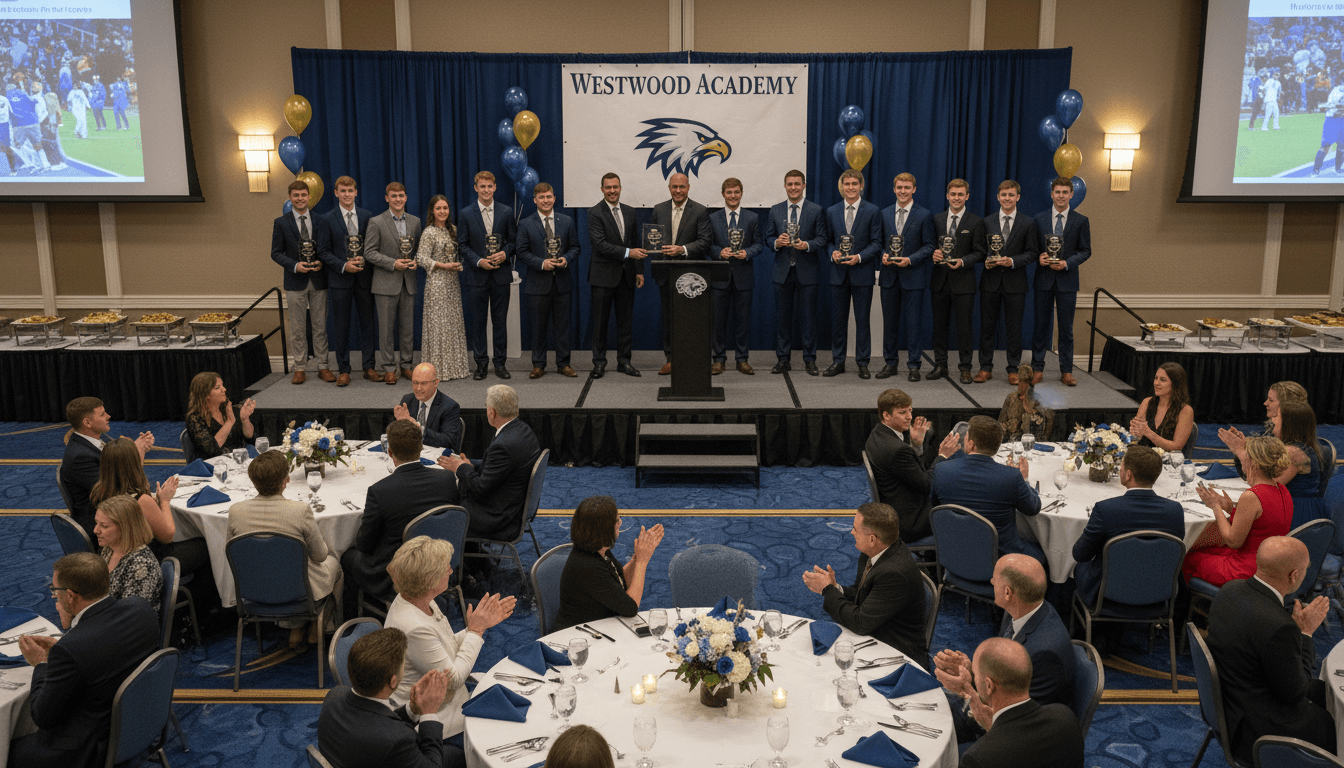
School Sports Banquet Newsletter: Recognizing Athletes and Communicating the Event
A sports banquet is a recognition event, and recognition events carry a different communication weight than logistics-only events. Families do not just need to know the date and time. They need to understand what the evening will involve, what their athlete has earned, and how to prepare for a night that may be genuinely meaningful for their child.
Sports banquet newsletters that treat the event like a calendar announcement miss the opportunity to build the anticipation and pride that make recognition evenings memorable. Here is what the communication should include and how to structure it.
Lead with recognition, not logistics
The opening paragraph of a sports banquet newsletter should acknowledge what the athletes have accomplished. Not generically. Specifically. The season they just completed, what made it challenging, what the team achieved. Families who feel that the school genuinely sees and values their child's athletic work arrive at the banquet differently than families who received a standard event invitation.
Save the logistics for after the opening paragraph. The banquet is for the athletes. The newsletter should feel that way.
Core logistics the newsletter must include
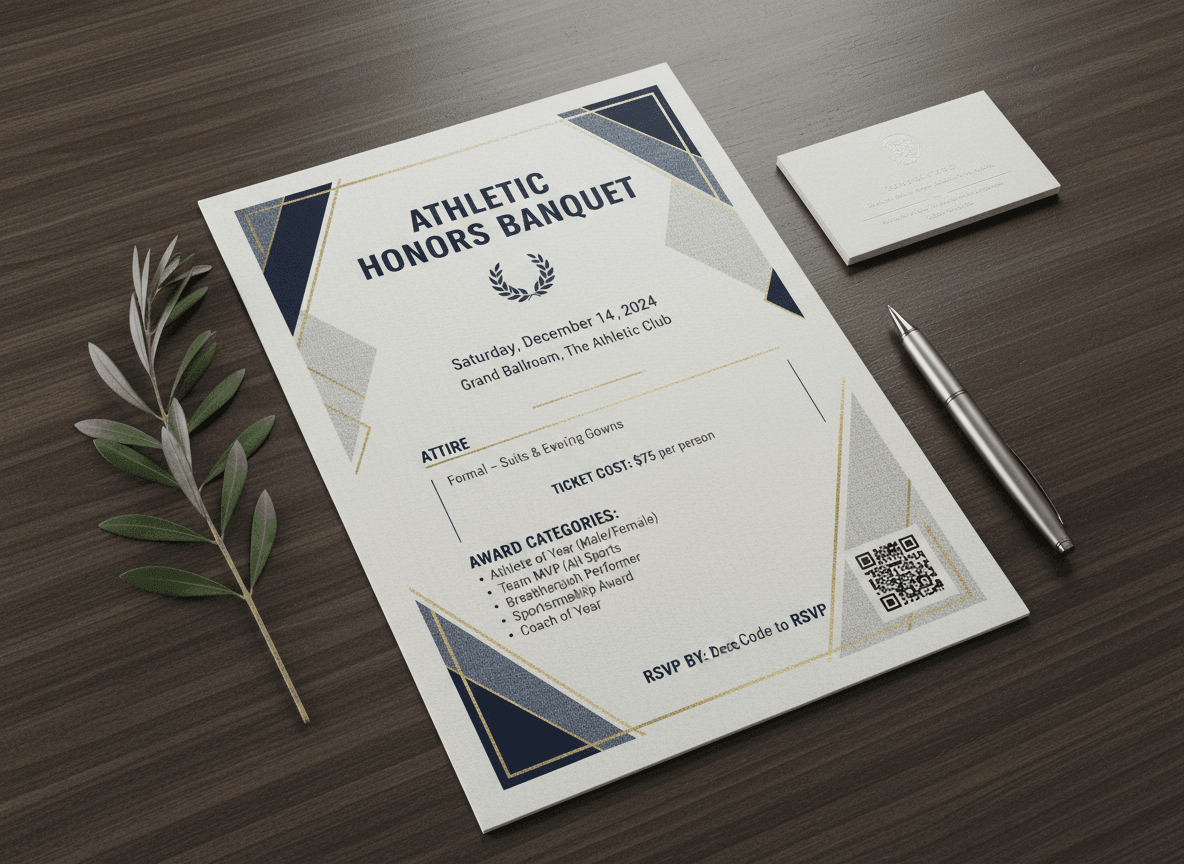
- Date, time, and location: If the banquet is off-campus (a restaurant, community center, or hotel), include the full address. If it is on campus, specify which room or space. Families attending a formal banquet for the first time need to know exactly where to go.
- Dress code: Athletic banquets range from casual to formal depending on the school and sport. Be specific. "Business casual" means different things to different families. If athletes should wear their team gear for part of the evening, say that.
- Cost: Is there a ticket cost or a per-person meal cost? Are athletes covered and only family members pay? Is there a deadline for purchasing tickets or confirming attendance? Cost transparency prevents families from being surprised at the door.
- Guest limit: Some banquets have space constraints. If each athlete is allowed a specific number of guests, state that clearly in the first newsletter so families can plan accordingly.
- Program overview: Will there be a formal dinner? A slideshow? A keynote speaker? Awards followed by an open portion of the evening? A general outline of the program helps families understand what the evening involves and how long it will run.
Communicating awards without spoiling surprises
Most sports banquets include individual awards: most valuable player, most improved, team captain recognition, coaches' awards. Families naturally want to know whether their child will receive something specific.
The newsletter should explain the categories of awards that will be presented without identifying individual recipients in advance. Saying "we will be presenting MVP, Most Improved, and Leadership awards in each sport" gives families context without removing the genuine surprise of the announcement. Saying "your child may receive an award" is vague and anxiety-provoking. Listing the category structure is informative without being a spoiler.
Team-specific vs. all-sports banquets
A banquet for a single team is a different communication challenge than an all-sports banquet recognizing every fall, winter, and spring sport at once. For single-team banquets, the newsletter is relatively straightforward: one program, one set of logistics, one set of athletes.
For all-sports banquets, the newsletter needs to orient families to the scope of the evening. How many sports are being recognized? In what order? How long is the program? Families of swimmers and families of soccer players should both feel like the evening is theirs, not just structured around one sport.
Coaching staff and program recognition
Sports banquets often include recognition of coaches, assistant coaches, trainers, and program supporters alongside the athletes. If this is the case, note it briefly in the newsletter. Families who know coaches will be recognized arrive prepared to show appreciation. It also signals to coaching staff that the recognition is coming, which matters for the coaches who have put in a full season of work alongside the athletes.
A note for student-athletes who struggled
Not every season ends the way athletes or families hoped. Some students had injuries, limited playing time, or a team that did not meet its goals. The banquet newsletter should use language that is inclusive of every student who was on the roster, not just the standout performers. Framing the evening as a celebration of commitment and effort alongside individual achievement makes the banquet feel like it belongs to every athlete in the room.
Building sports banquet newsletters in Daystage
In Daystage, you can create a subscriber list for each sport's families and send sport-specific communication for team banquets, or use the full athletic program list for an all-sports event. The two-week informational newsletter and the one-week reminder are drafted once and scheduled to send automatically, so the athletic director or coach does not have to manage newsletter timing during the final stretch of the season.
Recognition done well is remembered for years
The athletes at your sports banquet will remember the evening for a long time. The newsletter they receive before it contributes to how the whole experience feels. A communication that honors the work, gives families what they need, and builds genuine anticipation for the evening makes a good banquet feel great.
Get one newsletter idea every week.
Free. For teachers. No spam.
Frequently asked questions
When should schools send a school sports banquet newsletter?
Send the sports banquet newsletter two to three weeks before the event so athletes and families can arrange attendance and dress appropriately. A one-week reminder with final logistics is typically sufficient for a seated dinner-style banquet.
What should a school sports banquet newsletter include?
Cover the date, location, start time, and dress code. Describe the format of the evening, whether it is a sit-down dinner or reception, and note the award categories being presented without revealing specific recipients. Include RSVP instructions and any ticket or meal selection requirements.
How far in advance should coaches send sports banquet communications to families?
Two to three weeks gives families time to arrange formal attire, make RSVP decisions, and coordinate transportation. For banquets requiring meal selection or advance ticket purchase, three weeks is the minimum to allow families enough time to respond before the catering deadline.
What are common mistakes in sports banquet newsletter communication?
Sending banquet details with only one week of notice is common and frequently results in poor attendance from families who cannot rearrange their plans on short notice. Omitting the dress code is another common mistake, especially for student-athletes who may not own formal attire and need time to prepare.
What is the best tool to send a school sports banquet newsletter?
Daystage handles sports banquet communication cleanly, letting you send separate newsletters to athlete families and general attendees if needed. Scheduling the two-touch sequence in advance means the one-week reminder goes out automatically even during a busy end-of-season coaching period.

Adi Ackerman
Author
Adi Ackerman is a former classroom teacher and curriculum writer with 8 years in K-8 schools. She writes about school communication, parent engagement, and what actually works in real classrooms.
More for School Events
School College Signing Day Newsletter: Celebrating Every Path Forward
School Events · 5 min read
School Musical and Play Newsletter: Before, During, and After the Performance
School Events · 7 min read
School Winter Concert Newsletter: Managing Expectations for Your Biggest Event of the Year
School Events · 7 min read
Ready to send your first newsletter?
3 newsletters free. No credit card. First one ready in under 5 minutes.
Get started free