
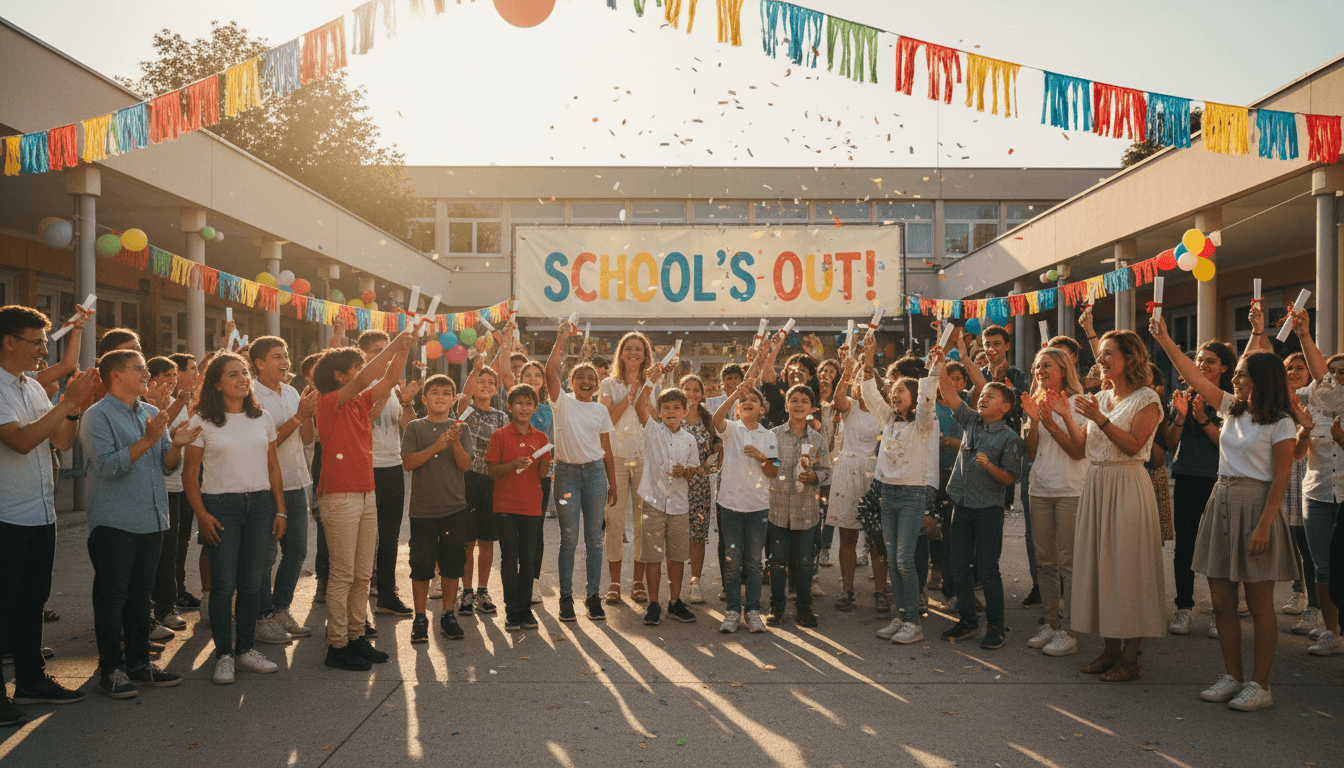
End-of-Year Elementary School Newsletter: What K-5 Families Need Before Summer
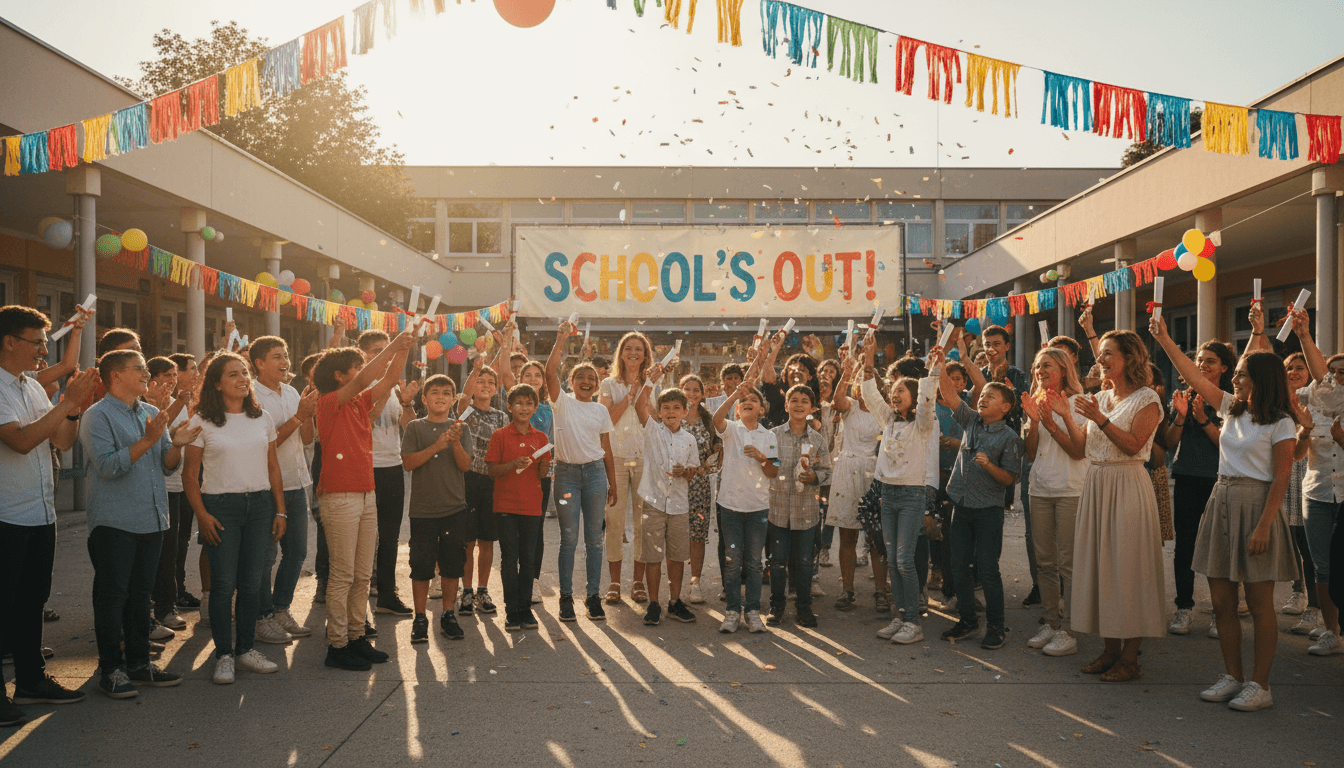
Elementary families read school newsletters more consistently than any other parent group. The end-of-year issue is one of the most important ones you will send all year. What goes in it, and how it is structured, shapes how families experience the final weeks of school.
Lead With the Final Schedule in Detail
Elementary families need specifics. If dismissal time changes on the last day, that needs to be front and center. If there is a field day that affects the normal lunch schedule, name the time. If pickup procedures change because parents are invited to a classroom celebration, explain the logistics.
Parents of young children cannot ask their child what time the party starts or whether they need to pick up early. The newsletter is the source. Make it complete enough to rely on.
Name the Summer Reading Level by Grade
Generic reading encouragement does not help elementary families choose books. Name the reading level their child should be at coming into the fall and suggest two or three titles that match that level. Better yet, recommend what will be studied in the fall so families can choose summer reading that connects.
"Rising fourth graders who want to get a head start can try any books in the Narnia series. We will be using them as mentor texts for writing in October." That is a suggestion families use.
Address the Emotional Transition for Young Students
Kindergartners moving to first grade. Third graders moving to a new classroom. Fifth graders heading to middle school. Each of these transitions carries emotion for both children and families. A brief paragraph that acknowledges this and gives parents one or two concrete things to say to their child makes the newsletter useful in a way most newsletters are not.
"If your kindergartner is nervous about first grade, try reading the new teacher's introduction letter together before the first day. Naming the teacher by name ahead of time helps." Small and specific.
Cover the Return of Belongings and Reports
What comes home, when, and in what form. Report cards, portfolios, student artwork, personal items from desks, yearbooks. If any of these have specific pickup procedures, name them. Younger children lose things. Older elementary students carry too much on the last day. Forewarning helps.
Close With the Teacher's Voice
Elementary parents form genuine attachments to their child's teacher. The close of the newsletter is the teacher's last official word to those families for this year. Make it personal, warm, and specific to this class. Do not write something a computer could have generated. Write something that only you can write about this particular group of children.
Get one newsletter idea every week.
Free. For teachers. No spam.
Frequently asked questions
What are the most important things to include in an elementary end-of-year newsletter?
Final day schedule, pickup logistics, anything students need to return, summer reading recommendations at the right level, teacher assignment information if available, and a personal close. Elementary families tend to read newsletters more thoroughly than secondary families, so you can include more detail while keeping each section tight.
How should elementary teachers address the emotional side of year-end in their newsletter?
Briefly and directly. 'It is normal for kids to feel a mix of excitement and sadness as the school year ends. If your child seems extra emotional or clingy this week, that is completely typical.' That one sentence names what many parents are already seeing and normalizes it without making the newsletter feel like a therapy letter.
Should elementary newsletters include next year's teacher assignment?
If your school shares teacher assignments at end of year, include the information and any orientation or meet-the-teacher event dates. If assignments are shared in late summer, tell families when and how they will receive that information. Families with young children think about the next teacher far earlier than schools typically share that news.
What summer reading suggestions work best for elementary families?
Be grade-specific and suggest books by name rather than just reading level. 'Rising second graders who loved Elephant and Piggie should try Mo Willems' Pigeon series next.' That kind of specific recommendation parents can use in the library. A generic 'read 20 minutes a day' is less useful than an actual title.
How does Daystage help elementary teachers build newsletters families actually read?
Daystage lets elementary teachers create colorful, consistent newsletters in a few minutes using a template families recognize all year, which means the end-of-year issue gets the same attention as all the others.

Adi Ackerman
Author
Adi Ackerman is a former classroom teacher and curriculum writer with 8 years in K-8 schools. She writes about school communication, parent engagement, and what actually works in real classrooms.
More for End of Year
Ready to send your first newsletter?
3 newsletters free. No credit card. First one ready in under 5 minutes.
Get started free