
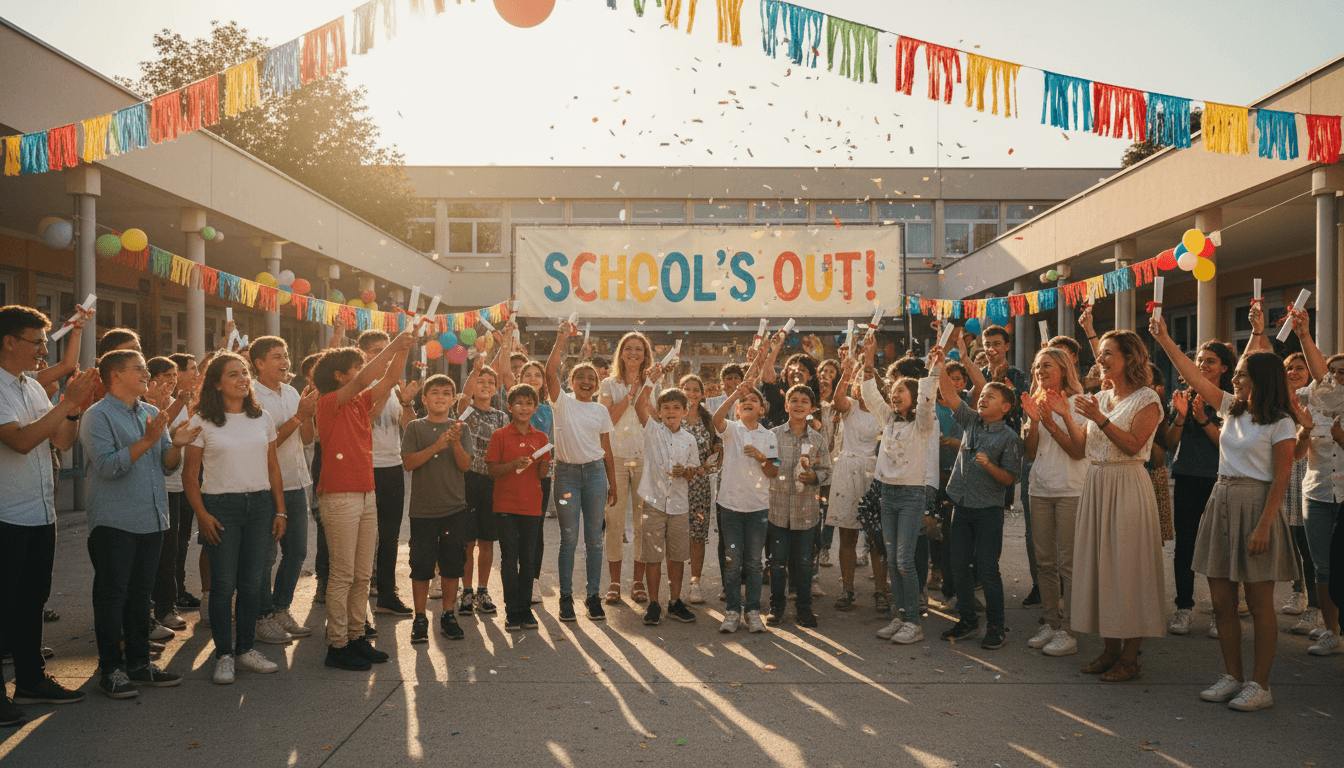
End of Year Student Achievement Newsletter Guide
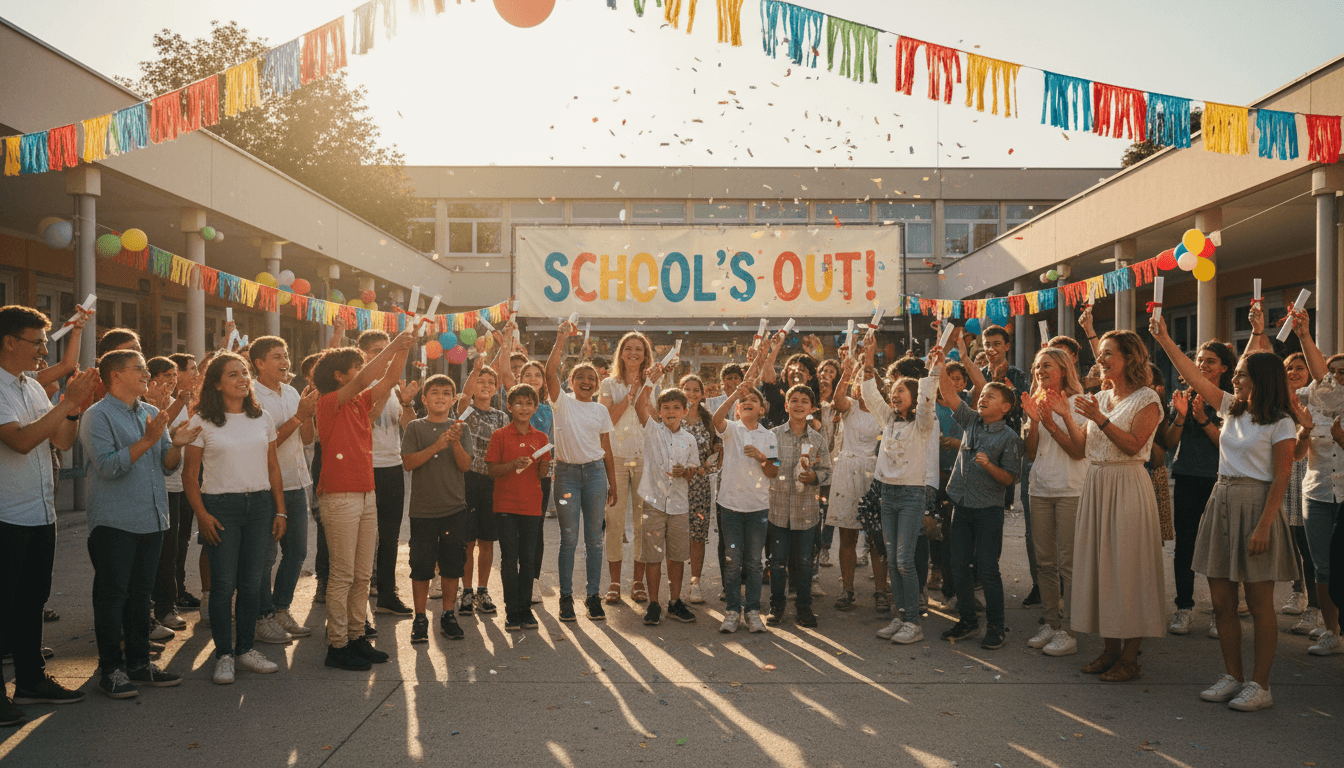
The end-of-year achievement newsletter is one of the most read communications a school sends all year. Families want to see their school reflected positively, their children's community honored, and the year's work acknowledged. A newsletter that does this well sends every family into summer with pride in the school their child belongs to.
The student achievement newsletter structure
Subject line: What [School Name] students accomplished this year: a celebration before we close for summer
Opening: Before we close the school year, we want to share a snapshot of what students at [School Name] accomplished. This year was full of hard work, growth, and moments worth celebrating. Here are some of the highlights.
Academic highlights
Share school-wide academic data that reflects growth and success: the percentage of students who met reading benchmarks, the number of students who improved their math scores from fall to spring, the AP exam scores (for high school), or the number of students who completed advanced coursework. Frame this as community progress, not comparison to other schools.
Include a highlight from a specific classroom or grade level that represents what the community built together academically this year. One vivid example is more memorable than a list of statistics.
Arts and performance
Name the concerts, plays, art shows, and creative projects students produced. How many students performed at the winter concert? What did the art show produce? What was the play this year? These programs represent significant student work and often go underacknowledged in school-wide communications.
Athletics and activities
Recognize the athletic accomplishments: team records, tournament results, individual milestones. Include non-athletic extracurricular achievements: the debate team, the robotics club, the student newspaper, the environmental club. Students who spend hours each week on activities outside of academics deserve to see their work named in the end-of-year celebration.
Service and community
Name what students gave back this year. The food drive totals. The volunteer hours. The community project. The mentorship program. Service accomplishments connect students to something larger than academic performance, and families respond strongly to seeing their children recognized as contributors to the community.
A note on what this community built together
Close with a brief, genuine reflection on the year. Not corporate language. Not a list of strategic priorities met. A real observation about who these students are and what they built together over nine months. This is the paragraph families will read most closely, and the one they will remember at the start of next year.
Get one newsletter idea every week.
Free. For teachers. No spam.
Frequently asked questions
What is an end-of-year student achievement newsletter?
A school-wide or classroom-level newsletter that celebrates what students accomplished over the course of the year. Unlike individual awards ceremonies that recognize specific students, the achievement newsletter celebrates the whole community: academic milestones, arts programs, athletics, service projects, and personal growth. It ends the year by naming what was built and honoring the community that built it.
How do you celebrate achievement without making families of struggling students feel excluded?
Broaden the definition of achievement to include effort, growth, and character alongside academic performance. Name accomplishments that belong to everyone: the class that read 1,000 books together, the school that collected 500 pounds of food for the food drive, the student body that performed at the spring concert. Whole-community achievements include all students in the celebration.
What accomplishments should the newsletter highlight?
Academic milestones (grade-level reading rates, math benchmarks met), arts and performance highlights (concerts, plays, art shows), athletics (team records, individual achievements), service (volunteer hours, food drives, community projects), extracurricular club accomplishments, and individual or classroom achievements that stand out. The goal is breadth, not just depth.
How do you handle naming specific students without inadvertently leaving others out?
When naming students, either name everyone in a group (the debate team, the science fair participants) or use the newsletter to point to a separate formal recognition ceremony or awards list where individual names appear. The newsletter is the celebration vehicle; the ceremony or awards list is where individual names live. Mixing the two risks omitting students and creating conflict.
How does Daystage help with end-of-year achievement communication?
Daystage lets schools send the student achievement newsletter to all families at once, schedule it for the right moment in the final week, and send it in multiple languages so every family receives the celebration in their home language. For a newsletter meant to unite the community, inclusive delivery matters as much as the content.

Adi Ackerman
Author
Adi Ackerman is a former classroom teacher and curriculum writer with 8 years in K-8 schools. She writes about school communication, parent engagement, and what actually works in real classrooms.
More for End of Year
Ready to send your first newsletter?
3 newsletters free. No credit card. First one ready in under 5 minutes.
Get started free