
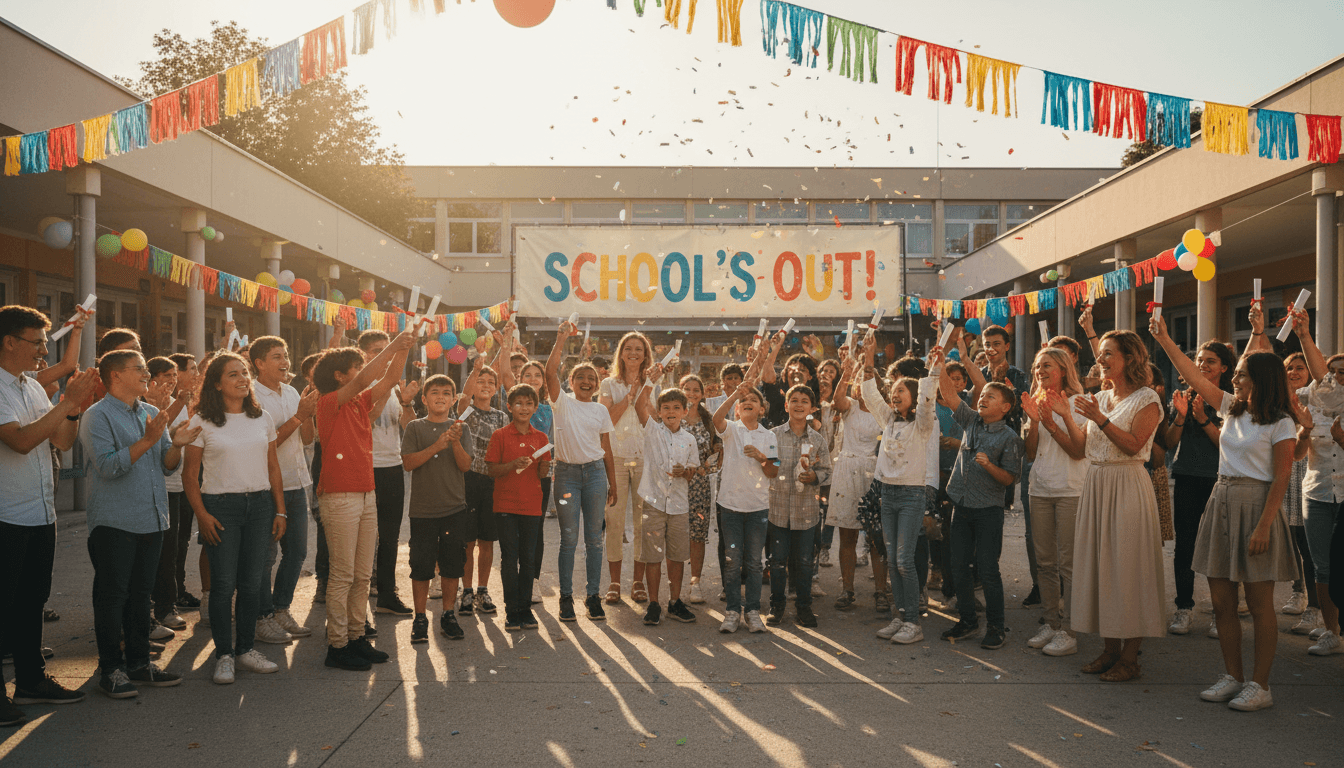
End-of-Year Awards and Recognition Newsletter for Schools
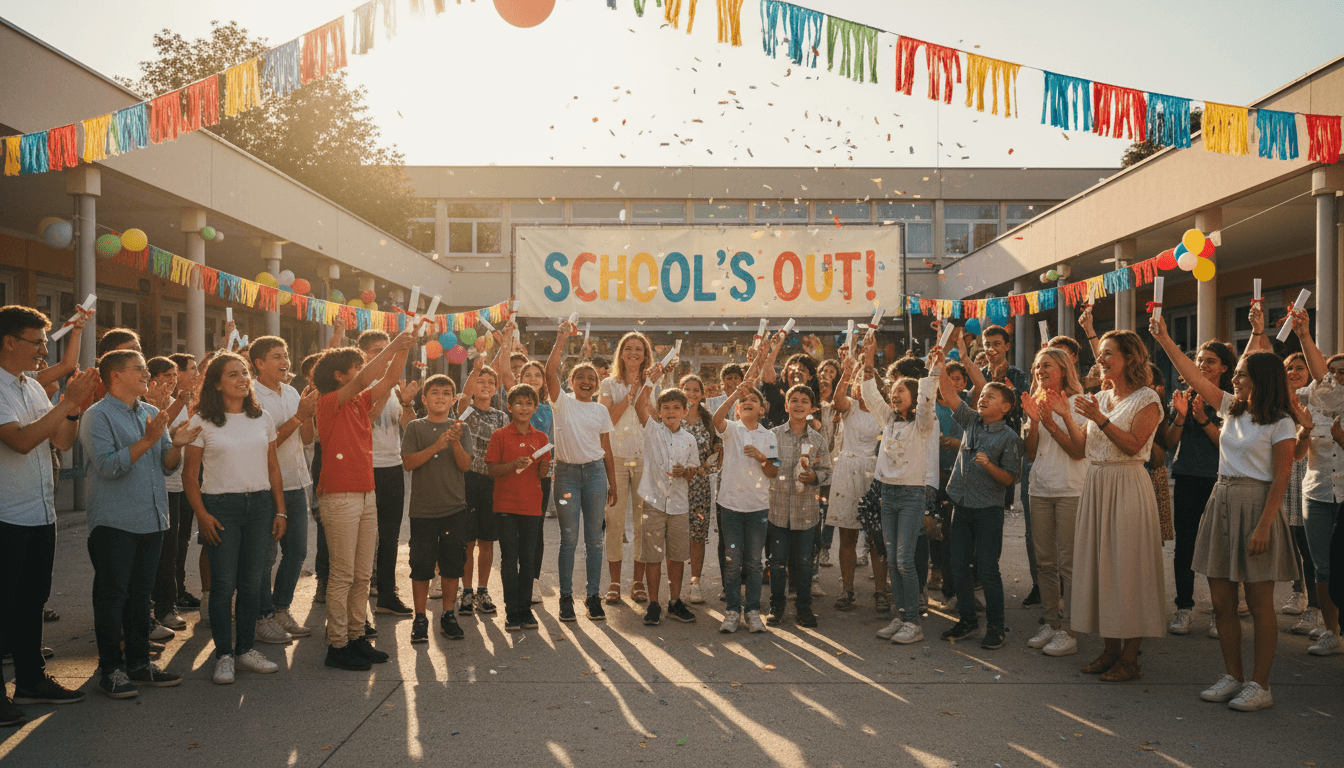
End-of-year awards newsletters serve two purposes that can conflict with each other. They celebrate individual achievement. And they speak to every family in the school, including the families whose child is not receiving an award.
Here is how to do both well.
Describe the Awards Before You Name Any Recipients
Start the newsletter by explaining what you are recognizing and why. This gives every family a frame for the awards before they see who won. It also helps families understand that the awards reflect genuine criteria, not just who the teacher liked best.
"This year we are recognizing students in five categories: academic growth, creative thinking, community leadership, perseverance, and citizenship. These awards reflect contributions that shaped this class over the course of the year."
Five categories signals to families that more than one type of student is being seen. A single "student of the year" award tells a very different story about what the school values.
Be Intentional About Whether You Name Winners in the Newsletter
There is no universally right answer here, but you have to choose one and be consistent. If you announce winners in the newsletter, you rob the ceremony of its surprise and you run the risk of some families learning their child was not chosen via newsletter before any conversation happens.
If you do not announce winners, families need to know the newsletter is not the full announcement: "Award recipients will be announced at the ceremony on June 10th. All families are welcome."
Both approaches work. The mistake is being vague: writing as if awards have been given without naming anyone, leaving families to wonder whether their child was included.
Address the Full Class
After the award descriptions and any individual announcements, add a paragraph about the class as a whole. This is where you say something true about what the group accomplished that is not reducible to any individual award.
"Awards can only go to a few students. But this class learned to read chapter books, run a lemonade stand simulation that raised $214 for the school garden, and navigate a year that was genuinely hard for a lot of them. Every person in this room contributed to that."
That paragraph is what keeps the awards newsletter from feeling exclusionary. It acknowledges the whole class without diminishing the individual recognition.
Include the Ceremony Logistics
If there is a ceremony, cover it in a separate section: date, time, location, whether families are invited, and what to expect. Keep it brief. The recognition content should not be buried under event details, and the event details should not be buried under recognition content.
"The awards ceremony will be held in the gymnasium on Thursday, June 11th at 2pm. All families are welcome. The ceremony runs approximately 45 minutes."
Do Not Over-Explain Award Criteria
Schools sometimes include so much explanation of why each award category exists that the newsletter reads like a policy document. Keep the explanations short. Families want to feel the celebration, not audit the selection process.
Two to three sentences per award category is enough. If a family asks you why their child was not selected, that conversation happens separately, not in the newsletter.
Get one newsletter idea every week.
Free. For teachers. No spam.
Frequently asked questions
When should schools send the end-of-year awards newsletter?
Send it at least one week before the awards ceremony so families can arrange to attend. If the newsletter also announces individual award recipients in advance, send it earlier to give families time to share the news and make plans.
Should schools list individual award recipients in the newsletter?
That depends on whether you want the ceremony to have any element of surprise. Some schools list all recipients in advance so families know to attend. Others only describe the award categories and announce winners at the ceremony. Both approaches work, but you need to decide before writing and be consistent across grades.
How do you write an awards newsletter that does not leave non-winning students feeling overlooked?
Use language that acknowledges the whole class alongside individual awards. A sentence like 'Every student in this class contributed to something that mattered this year' is not hollow if you follow it with a specific example. The risk is writing only about winners and leaving the other families with nothing.
What categories of awards should be mentioned in the newsletter?
Name every award category being given, even if you do not name recipients. Families whose child is not receiving an award should be able to read the newsletter and understand that the categories genuinely reflect different kinds of contribution, not just the highest grades.
How does Daystage help with end-of-year awards newsletters?
Teachers use Daystage to send the awards newsletter as a formatted email that matches the regular newsletter families have received all year. That consistency means the awards newsletter arrives looking official and familiar, not like a separate last-minute communication.

Adi Ackerman
Author
Adi Ackerman is a former classroom teacher and curriculum writer with 8 years in K-8 schools. She writes about school communication, parent engagement, and what actually works in real classrooms.
More for End of Year
Ready to send your first newsletter?
3 newsletters free. No credit card. First one ready in under 5 minutes.
Get started free