
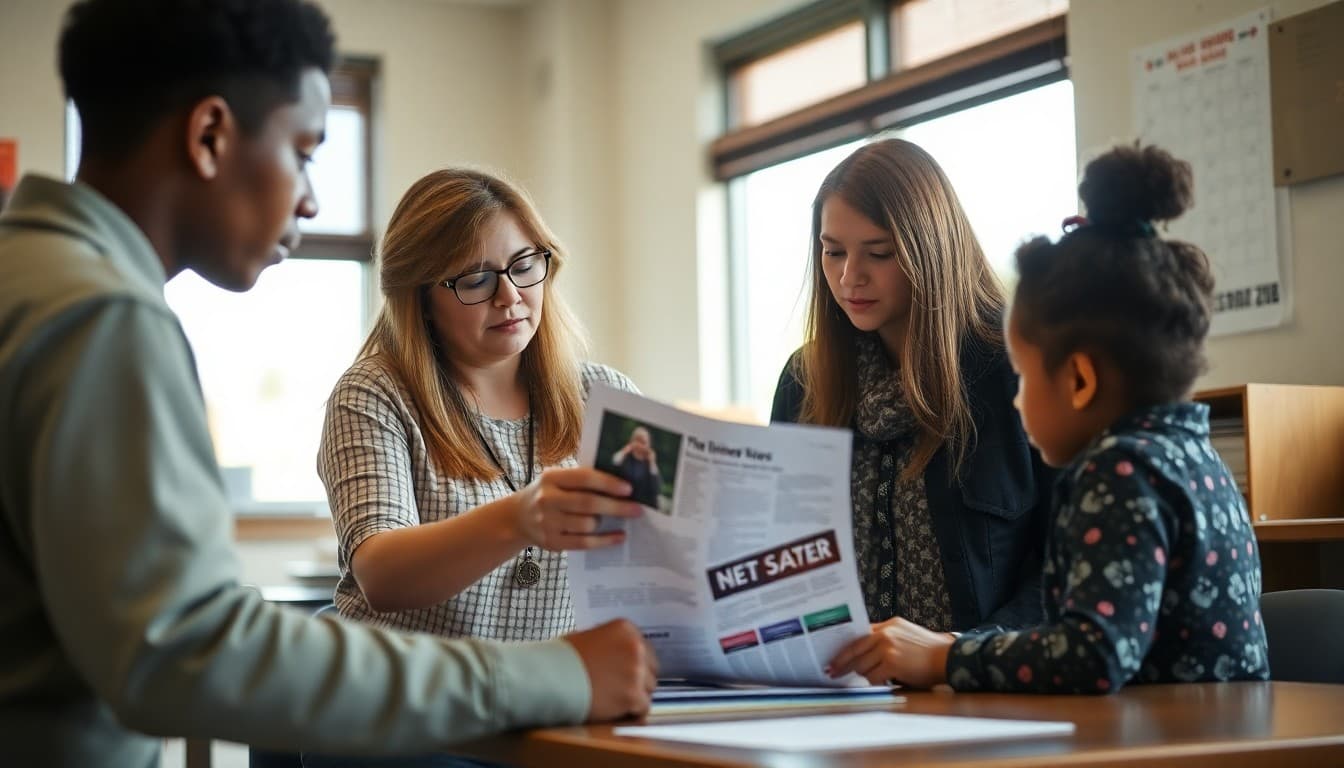
South Carolina ELL Program Newsletter: Local Resources and Guide
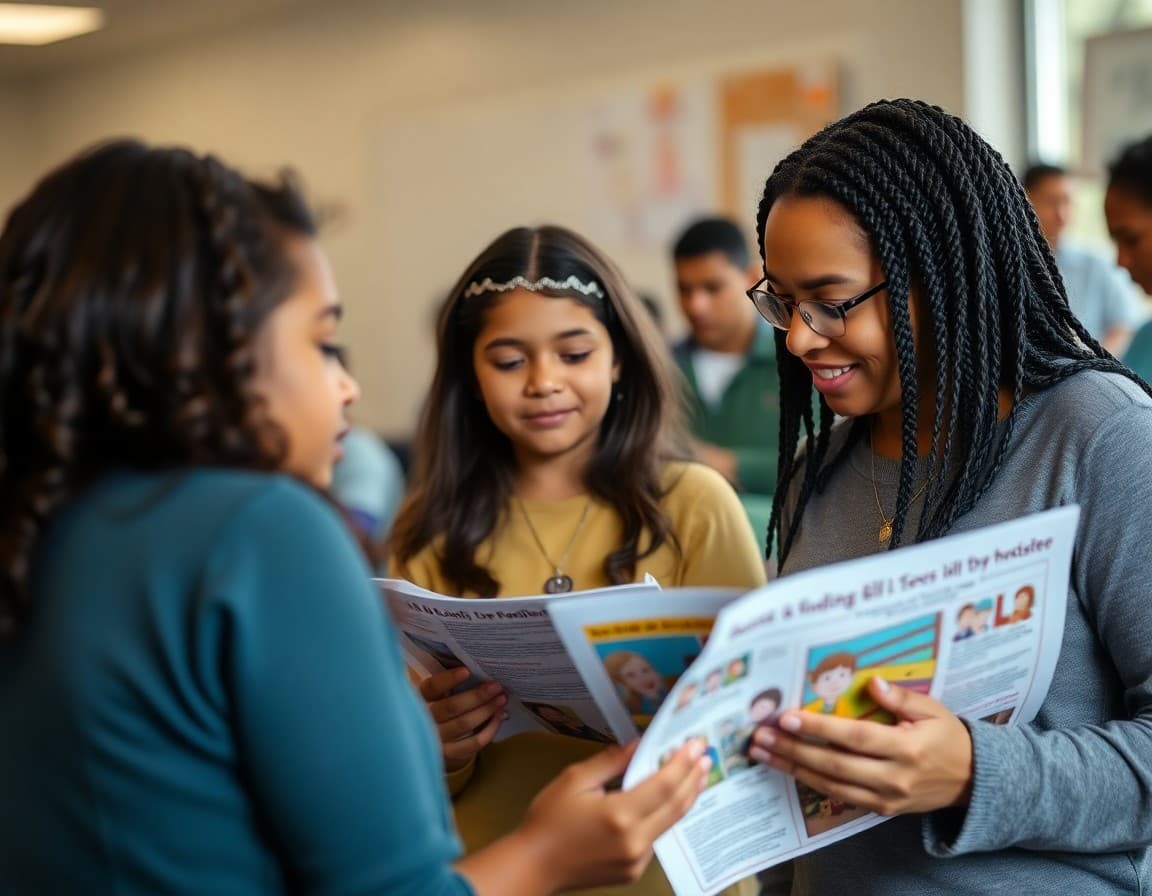
South Carolina has experienced some of the fastest Hispanic population growth in the South, and the Upstate region around Greenville and Spartanburg now serves ELL communities that were negligible 30 years ago. Greenville has also become a significant destination for Burmese refugee resettlement. These communities have grown quickly enough that ELL program infrastructure is still developing in many districts, making effective family communication both more challenging and more important.
South Carolina's Spanish-Speaking ELL Communities
South Carolina's rapid Hispanic population growth since the 1990s has been driven by poultry and food processing industries in the Upstate, construction across the state, and agriculture in the Pee Dee and coastal regions. Mexican and Central American families make up the majority, with significant Guatemalan communities in some areas. Many families have been in South Carolina for 20 to 25 years, building established communities in Greenville, Spartanburg, and smaller Upstate cities.
ELL newsletters for these communities should reflect an established community rather than treating Spanish-speaking families as perpetually new. Community churches, community health centers with bilingual staff, and informal family networks are important communication channels alongside formal school newsletters.
Greenville's Burmese Refugee Community
Greenville has received significant Karen and Karenni refugee resettlement, making it one of the larger Burmese refugee communities in the Southeast. World Relief Upstate is the primary resettlement organization in Greenville and a key partner for schools communicating with newly arrived Burmese families. Many Burmese families have been in Greenville long enough to have community organizations and cultural associations, though newer arrivals continue through ongoing resettlement.
Karen and Karenni are distinct languages with their own writing systems -- they are not dialects of Burmese. ELL newsletters for Karen and Karenni families should be translated into the specific language the family speaks, not into Burmese or a generic Southeast Asian language.
What South Carolina ELL Newsletters Should Include
Cover the standard elements: what ELL services the student receives, what WIDA ACCESS measures and when it takes place, what proficiency levels mean and how they relate to program exit, and how families can support language development at home. Include clear contact information for ELL staff and instructions for requesting interpreter services. For schools with recently arrived refugee families, include basic school structure information that assumes no prior familiarity with US schools.
South Carolina Department of Education Resources
SCDE's English Learner Programs unit provides guidance and family resources on the SCDE website. WIDA ACCESS is South Carolina's ELL assessment. WIDA's multilingual family resources in Spanish, Karen, and many other languages are worth linking to from South Carolina ELL newsletters. South Carolina's Regional Education Centers provide support to districts, including some ELL-related professional development.
Community Organizations in South Carolina
World Relief Upstate provides refugee resettlement in Greenville. Catholic Charities South Carolina serves immigrant and refugee families statewide. South Carolina Appleseed Legal Justice Center provides immigration legal assistance and advocacy. The Greenville Literacy Association provides adult ESL programs. Columbia resources include Catholic Charities, community legal aid, and university-connected immigration resources. Public libraries in Greenville and Columbia offer multilingual materials and ESL programs.
Rural and Agricultural Community ELL Communication
South Carolina's Pee Dee region and coastal agricultural communities have Spanish-speaking farmworker families with limited access to urban support services. ELL newsletters for rural South Carolina schools should include locally accessible resources and acknowledge the specific employment context of these communities. Migrant Education Program services are available for families who move seasonally with agricultural work, and those contacts are worth including in end-of-year newsletters.
Using Daystage for South Carolina ELL Newsletters
Daystage supports South Carolina ELL coordinators in creating newsletters with Spanish, Karen, and other language sections and delivering them by email to family groups. For Greenville schools with both Spanish-speaking and Burmese ELL communities, Daystage's segmented delivery is practical and efficient. For rapidly growing Upstate districts still building ELL communication infrastructure, the platform provides a professional starting point.
Get one newsletter idea every week.
Free. For teachers. No spam.
Frequently asked questions
What languages are most common among South Carolina ELL students?
Spanish is by far the most common home language among South Carolina ELL students, with concentrations in Greenville, Spartanburg, Columbia, and communities tied to poultry processing, construction, and agriculture across the state. South Carolina has seen rapid Hispanic population growth since the 1990s, similar to neighboring North Carolina. Karen and other Burmese ethnic minority languages are present in Greenville, which has received significant Burmese refugee resettlement. Arabic and other languages are present in smaller numbers in urban areas.
What state agency oversees South Carolina ELL programs?
The South Carolina Department of Education (SCDE) oversees ELL programs through its English Learner Programs unit. South Carolina administers the WIDA ACCESS assessment. SCDE provides guidance and family resources on the SCDE website. South Carolina's ELL program infrastructure has grown significantly as the state's immigrant population has increased, particularly in the Upstate region around Greenville and Spartanburg.
What is notable about Greenville's ELL community?
Greenville County School District is the largest in South Carolina and serves one of the more diverse ELL populations in the Southeast. The Upstate region has seen substantial economic development attracting both skilled worker immigrants and lower-wage service and manufacturing workers from many countries. Greenville has received significant Karen and Karenni refugee resettlement. The Burmese community in Greenville has been there long enough to develop community organizations and has a relationship with Greenville schools that has evolved over many years.
What community resources serve South Carolina ELL families?
Greenville resources include the Greenville Literacy Association, World Relief Upstate which provides refugee resettlement services, and the Hispanic community organizations. Columbia resources include Catholic Charities of South Carolina, the South Carolina Appleseed Legal Justice Center for immigration legal assistance, and the USC Center for Immigration Studies which provides community resources. The Coastal Plains area of South Carolina has farmworker support organizations. Public libraries in Greenville and Columbia offer multilingual resources and ESL programs.
How does Daystage support South Carolina ELL newsletters for Upstate communities?
Daystage lets South Carolina ELL coordinators build newsletters with Spanish, Karen, and other language sections and deliver them to family groups by language. For Greenville schools serving both large Spanish-speaking populations and Burmese refugee communities, Daystage's segmented delivery ensures each community receives content in their language. For rapidly growing Upstate South Carolina districts where ELL programs are still building infrastructure, Daystage's reusable templates make professional communication achievable early in that process.

Adi Ackerman
Author
Adi Ackerman is a former classroom teacher and curriculum writer with 8 years in K-8 schools. She writes about school communication, parent engagement, and what actually works in real classrooms.
More for ELL & ESL
Ready to send your first newsletter?
3 newsletters free. No credit card. First one ready in under 5 minutes.
Get started free