
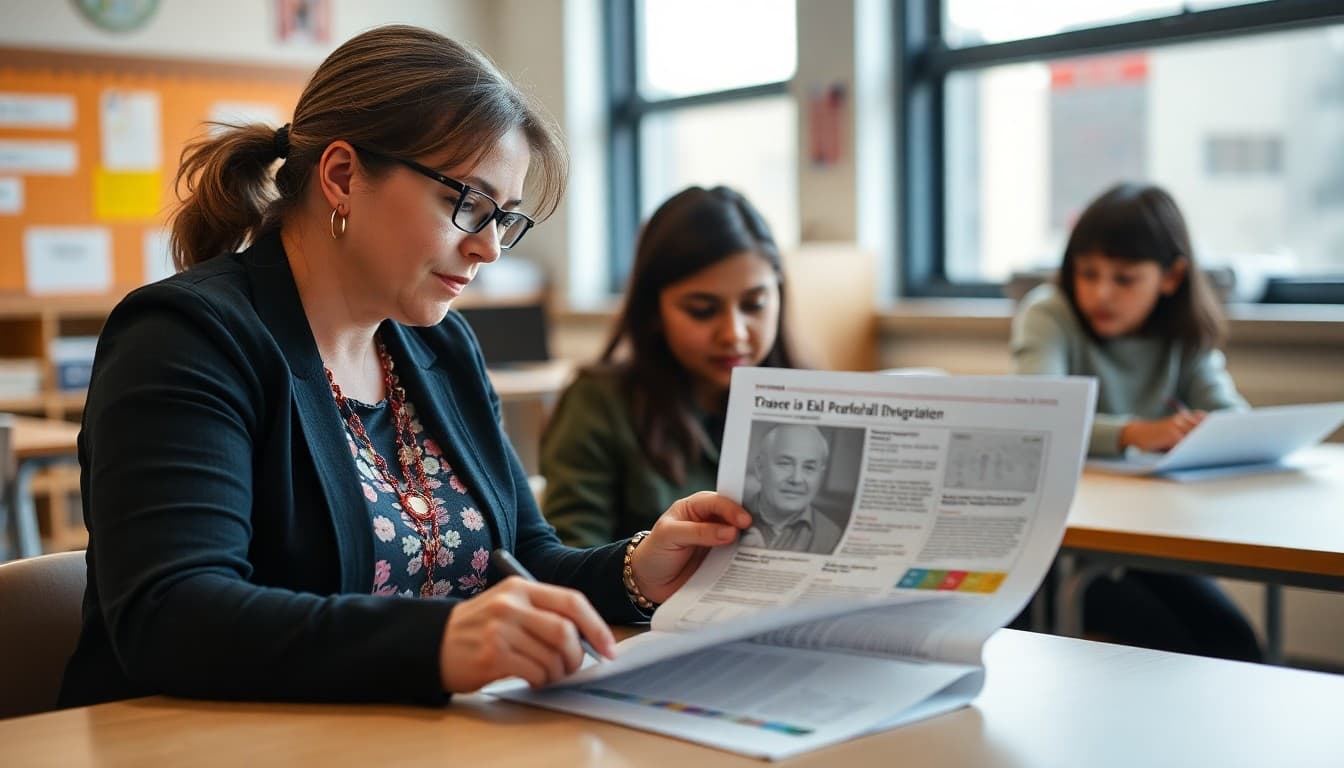
Rhode Island ELL Program Newsletter: Local Resources and Guide
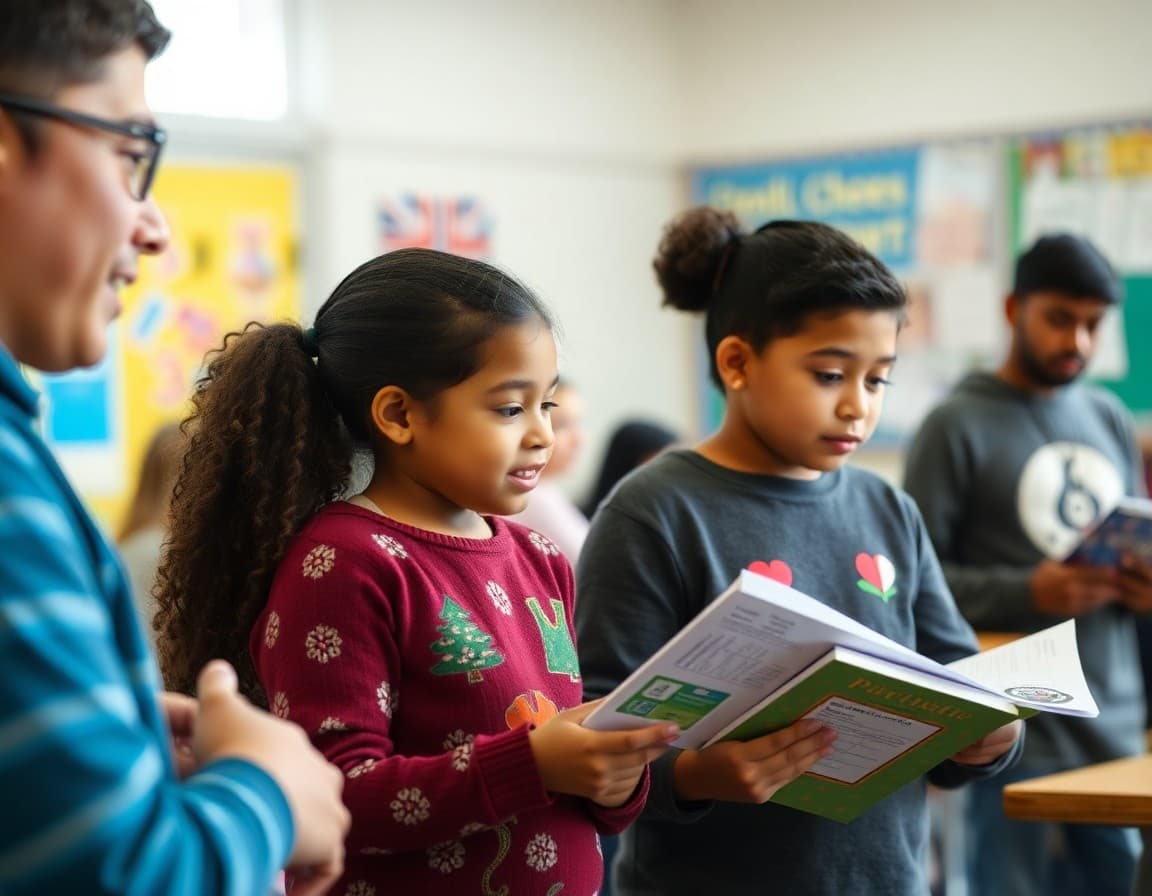
Rhode Island is the smallest US state by area, but its ELL student population is concentrated in cities with some of the highest ELL enrollment percentages in New England. Central Falls is essentially a Latino city -- overwhelmingly Dominican and Guatemalan -- and has served a high-ELL population for decades. Providence is more diverse, with Spanish, Portuguese, Haitian Creole, and Khmer communities. Rhode Island's small scale gives ELL programs more direct access to state resources and a tighter network of community organizations than is typical in larger states.
Central Falls: A High-Intensity ELL City
Central Falls is one of the most densely populated cities in New England, with a school district that has served a primarily Hispanic student body for decades. The Dominican and Guatemalan communities are the largest, with a significant Liberian community from earlier refugee resettlement. Central Falls School District has built substantial expertise in Spanish-language family communication as a result of this demographic reality. ELL newsletters for Central Falls can assume Spanish is the primary community language and build from there rather than treating it as one language among many.
The Center for the Working Poor and other Central Falls community organizations are important partners for school communication that reaches families beyond the school contact list.
Providence's Multilingual ELL Communities
Providence has a more diverse ELL population than Central Falls. Spanish-speaking families from the Dominican Republic, Guatemala, Puerto Rico, and El Salvador are most numerous. Rhode Island's long-established Portuguese and Cape Verdean communities are concentrated in Providence and the East Bay region. Haitian Creole-speaking families are present in significant numbers. The Cambodian community, established in Providence in the 1980s as a result of Khmer Rouge refugee resettlement, has produced multi-generational families with varying Khmer language proficiency but ongoing community identity.
Rhode Island's Portuguese and Cape Verdean Heritage
Rhode Island has one of the largest Portuguese-American communities in the United States, with deep roots in Providence, Bristol, and the East Bay region. Cape Verdean Creole (Kriolu) is spoken by many Cape Verdean families and is distinct from Portuguese. As in other New England states with Portuguese communities, distinguishing between Brazilian Portuguese, European Portuguese, and Cape Verdean Creole is important for communication quality. The Providence Portuguese-American community has its own cultural organizations and church networks that are trusted community communication channels.
Rhode Island Department of Education Resources
RIDE's Office of Student, Community and Academic Supports provides guidance and family resources on the RIDE website. WIDA ACCESS is Rhode Island's ELL assessment. Rhode Island's small scale means that district coordinators can often access direct support from RIDE staff. The International Institute of Rhode Island and Dorcas International both publish family guides and resources that can supplement school ELL newsletters.
Community Organizations in Rhode Island
International Institute of Rhode Island provides resettlement services and integration support with multilingual staff. Dorcas International Institute of Rhode Island provides immigration legal assistance and family services. Catholic Social Services of Rhode Island serves immigrant and refugee families statewide. Providence Center provides mental health services for underserved communities including refugees and immigrants. Rhode Island Legal Services handles immigration cases. Providence Public Library has multilingual collections including Portuguese, Spanish, Haitian Creole, and Khmer materials.
Khmer Community Communication
Providence's Cambodian community has been in Rhode Island for nearly 40 years. Many current students are second or third-generation Cambodian-Americans with varying Khmer language proficiency. Newly arrived Cambodian family members may still need Khmer-language communication. Khmer script requires specific font support in digital documents -- verify that your newsletter platform displays Khmer correctly before sending. The Cambodian community's cultural organizations and Buddhist temple networks serve as community communication channels worth coordinating with.
Using Daystage for Rhode Island ELL Newsletters
Daystage supports Rhode Island ELL coordinators in creating newsletters with Spanish, Portuguese, Haitian Creole, Khmer, and other language sections and delivering them to family groups by language. Rhode Island's small scale and tight-knit ELL community network means that digital newsletters that reach family email addresses efficiently have significant impact on family engagement.
Get one newsletter idea every week.
Free. For teachers. No spam.
Frequently asked questions
What languages are most common among Rhode Island ELL students?
Spanish is the most common home language among Rhode Island ELL students, with a large concentration in Providence, which has a significant Dominican, Puerto Rican, and Central American community. Portuguese is the second most common, reflecting Rhode Island's long-established Portuguese and Cape Verdean communities, particularly in Providence and the East Bay. Haitian Creole is significant in Central Falls and other communities. Khmer (Cambodian) is present in Providence due to a refugee community established in the 1980s. Central Falls has one of the highest ELL enrollment percentages of any city in New England.
What state agency oversees Rhode Island ELL programs?
The Rhode Island Department of Education (RIDE) oversees ELL programs through its Office of Student, Community and Academic Supports. Rhode Island administers the WIDA ACCESS assessment. RIDE provides guidance and family resources on the RIDE website. Rhode Island's small size means that the state ELL office works closely with districts, particularly Providence and Central Falls which have the largest ELL enrollments in the state. The Rhode Island Consortium for Educator Development also provides professional support for ELL educators.
What is notable about Central Falls' ELL community?
Central Falls, Rhode Island is one of the smallest cities in the United States by area but has one of the highest ELL enrollment percentages in New England. The city is overwhelmingly Hispanic and Latino, with large Dominican and Guatemalan communities. Central Falls also has a significant Liberian community from earlier refugee resettlement. The Central Falls School District has developed substantial multilingual family communication resources as a result of serving this concentrated ELL population for decades.
What community resources serve Rhode Island ELL families?
Providence resources include the International Institute of Rhode Island (IIRI), which provides resettlement services and family support, Dorcas International Institute of Rhode Island, and the Providence Center. Central Falls has the Center for the Working Poor and Central Falls community organizations. Catholic Social Services of Rhode Island serves immigrant and refugee families statewide. Rhode Island Legal Services provides immigration legal assistance. The Providence Public Library has multilingual resources and ESL programs.
How does Daystage support Rhode Island ELL newsletters for Central Falls and Providence?
Daystage lets Rhode Island ELL coordinators build newsletters with Spanish, Portuguese, Haitian Creole, and other language sections and deliver them to family groups by language. For Central Falls with its very high ELL enrollment concentration, Daystage's delivery infrastructure supports consistent multilingual communication at scale. Providence ELL coordinators who use Daystage report that digital delivery significantly increases family reach compared to paper-only distribution.

Adi Ackerman
Author
Adi Ackerman is a former classroom teacher and curriculum writer with 8 years in K-8 schools. She writes about school communication, parent engagement, and what actually works in real classrooms.
More for ELL & ESL
Ready to send your first newsletter?
3 newsletters free. No credit card. First one ready in under 5 minutes.
Get started free