

Oregon ELL Program Newsletter: Guide for Multilingual Program Coordinators
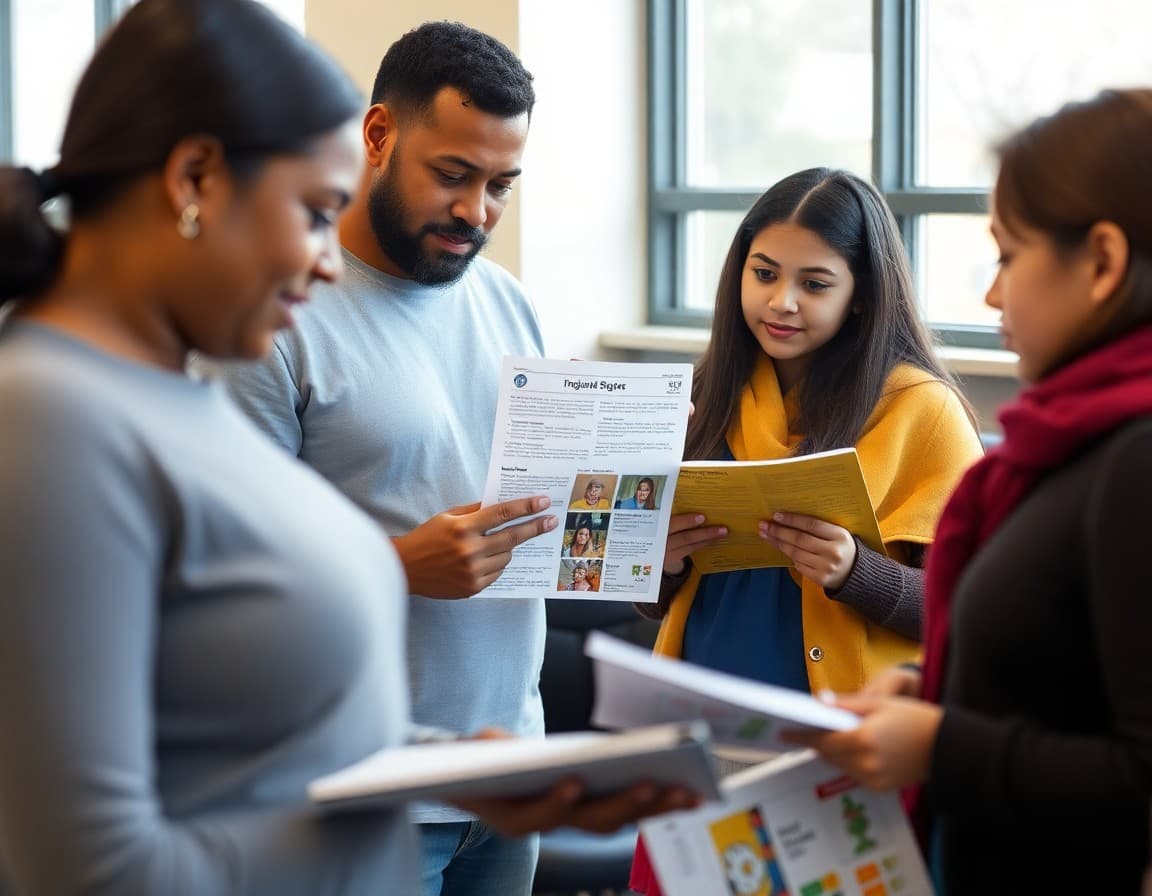
Oregon's ELL landscape spans the diverse urban communities of Portland and Salem, the agricultural Willamette Valley with its large Spanish-speaking workforce, and smaller communities where a handful of families from very different language backgrounds are the entire ELL program. Oregon also uses ELPA21 rather than WIDA ACCESS, which affects what families receive as score reports and what explanation they need from their newsletters.
Oregon's Language Access Requirements
Oregon follows federal Title III and ESSA standards and has additional state requirements under the Oregon English Language Learner Plan. Schools must notify parents within 30 days of ELL identification, translate essential communications, and maintain documentation of language access efforts. Oregon Revised Statute 659.850 prohibits national-origin discrimination in education, creating a constitutional foundation for language access that goes beyond compliance metrics. Your ELL program newsletter is the most visible, recurring demonstration of your program's commitment to that standard.
Explain ELPA21 to Oregon Families
Oregon uses ELPA21, not WIDA ACCESS, to measure English language proficiency. Families who moved to Oregon from other states may be used to receiving WIDA score reports. Families in Oregon receive ELPA21 results, which use a different proficiency scale and test design. Your newsletter during the spring testing window should explain what ELPA21 is, what it measures, what the proficiency levels mean, and what your district requires for reclassification. This explanation belongs in your newsletter every year, not just for newcomers, because families forget or confuse assessment names from year to year. Publishing the explanation in Spanish and Vietnamese ensures the two largest non-English language groups can access it.
Address Oregon's Willamette Valley Agricultural Communities
The Willamette Valley is one of the most productive agricultural regions in the country, and its Spanish-speaking workforce is the backbone of Oregon's fruit and vegetable production. Schools in Salem, Woodburn, McMinnville, and the Yamhill and Marion County communities serve families who work in agriculture and food processing. As in other agricultural states, shift work and seasonal migration patterns affect family availability. Your newsletter should offer evening conference options, mention Oregon's Migrant Education Program, and acknowledge the seasonal patterns that affect student attendance without treating migration as a problem to be solved rather than a family's economic reality.
A Monthly Oregon ELL Program Newsletter Template
This format works across grade levels:
ELL Program Update -- [Month] [Year]
Your student is working on: [Language skill area]
What this looks like in class: [Brief description]
How to support at home: [Activity in the home language]
Coming up:
- [Date]: ELPA21 testing window
- [Date]: Parent conference (interpreter available)
Oregon Migrant Education Program: [Contact info]
Contact: [ELL coordinator name, phone, email]
Serve Portland's Diverse ELL Community
Portland Metro ELL programs serve Spanish-speaking families from Mexico and Central America, Vietnamese families with roots going back to the post-Vietnam War refugee wave, growing Somali and Congolese communities, and more recent arrivals from multiple countries. Beaverton School District alone serves students speaking over 100 languages. Portland Public Schools has in-house translation capacity for many major languages. Your newsletter language priorities should come from your school's specific home language survey data rather than from general district or metro averages. A school in Beaverton with large Korean and Spanish-speaking populations has different priorities than a school in North Portland with large African immigrant and Spanish-speaking populations.
Connect Oregon Families to Community Resources
Oregon has substantial resources for ELL families. Causa Oregon advocates for immigrant families across the state. Center for Hope and Safety serves Latino families in the Portland area. Catholic Charities Oregon has multilingual social services. IRCO (Immigrant and Refugee Community Organization) in Portland serves a wide range of immigrant and refugee communities. Legal Aid Services of Oregon provides civil legal aid. Oregon Farmworker Ministry serves agricultural community families in the Willamette Valley. One resource mention per newsletter issue builds cumulative awareness over the school year.
Use Daystage to Deliver Oregon ELL Newsletters in Multiple Languages
Oregon ELL coordinators managing newsletters for Spanish, Vietnamese, Somali, and other language-speaking families need production tools that do not multiply effort with each language added. Daystage lets coordinators create one newsletter structure and send separate language versions to the right families simultaneously. A Vietnamese family in the Portland area receives the Vietnamese version. A Spanish-speaking family in Woodburn receives the Spanish version. Programs that simplify production maintain consistent communication throughout the year, and that consistency is what builds the family engagement that Oregon's ELL accountability framework expects to see in schools serving the state's increasingly diverse communities.
Get one newsletter idea every week.
Free. For teachers. No spam.
Frequently asked questions
What are Oregon's requirements for communicating with ELL families?
Oregon follows federal Title III and ESSA language access requirements and has additional state requirements under the Oregon English Language Learner Plan. Schools must notify parents within 30 days of ELL identification, translate essential communications, and maintain language access documentation. Oregon Revised Statute 659.850 prohibits discrimination on the basis of national origin and requires that districts provide equal access to education for English learners. The Oregon Department of Education oversees compliance.
What assessment does Oregon use for English language proficiency?
Oregon uses ELPA21 to measure English language proficiency for ELL students, unlike most states that use WIDA ACCESS. ELPA21 evaluates Listening, Speaking, Reading, and Writing on a proficiency scale. Oregon's reclassification criteria include ELPA21 proficiency thresholds along with academic performance indicators. Your newsletter should explain what ELPA21 measures and what proficiency levels mean for families receiving score reports.
What languages do Oregon ELL families most commonly speak?
Spanish is the most common home language in Oregon's ELL population, with large communities in Portland, Salem, and the Willamette Valley agricultural communities. Vietnamese is the second-largest language in the Portland metro area. Somali speakers are present in Portland and Salem. Mandarin, Cantonese, Korean, and Russian are also spoken by Oregon ELL families in urban areas. The Willamette Valley agricultural communities also include speakers of indigenous Mixtec and other Mexican languages.
What is ELPA21 and how is it different from WIDA ACCESS?
ELPA21 (English Language Proficiency Assessment for the 21st Century) is a consortium assessment used by Oregon and several other states. Like WIDA ACCESS, it measures Listening, Speaking, Reading, and Writing, but uses a different proficiency scale and test design. Families in states that previously used WIDA may not be familiar with ELPA21. Your newsletter should clearly explain what ELPA21 is, what it measures, and what proficiency levels mean for your district's reclassification criteria.
Can Daystage support Oregon ELL programs with multilingual newsletters?
Yes. Daystage lets ELL coordinators create formatted newsletters and send separate language versions to specific family groups. For a Portland district with Spanish, Vietnamese, and Somali-speaking families, you can manage multiple language versions through one platform. Daystage handles formatting and delivery so coordinators focus on content quality and the community-appropriate translation that Oregon's diverse ELL families require.

Adi Ackerman
Author
Adi Ackerman is a former classroom teacher and curriculum writer with 8 years in K-8 schools. She writes about school communication, parent engagement, and what actually works in real classrooms.
More for ELL & ESL
Ready to send your first newsletter?
3 newsletters free. No credit card. First one ready in under 5 minutes.
Get started free