

Oregon ELL School Newsletter: Reaching Multilingual Families
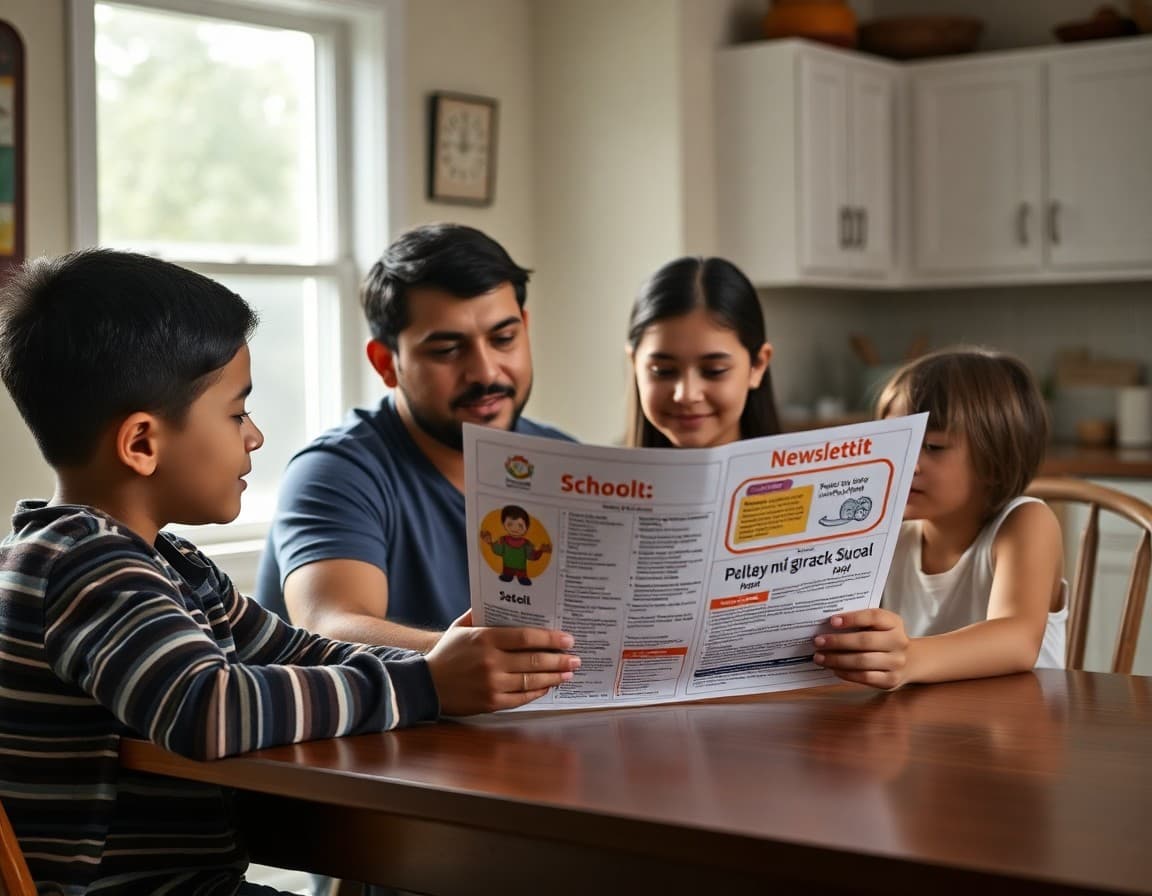
Oregon's ELL population is concentrated in the Willamette Valley's agricultural communities and the Portland metro, with distinct language profiles in each location. Spanish-speaking families from Mexico and Central America dominate the Willamette Valley; Portland adds Vietnamese, Russian, Somali, and many other languages. For ELL teachers across Oregon, a newsletter is both a legal requirement and a practical way to build relationships with families who navigate the school system in a language that is not their own.
Oregon's Language Access Obligations
Oregon's Department of Education has specific Language Access Plan requirements for schools and districts. These go beyond the federal Title III minimum and include requirements for documenting language access practices, providing translated materials for significant communications, and having interpretation available for family meetings. Oregon also receives significant Title III funds that are contingent on districts demonstrating meaningful outreach to ELL families.
Your newsletter is part of this framework. Archive each edition with documentation of the languages in which it was made available. This creates a record for ODE language access reviews and demonstrates good-faith effort in the event of a complaint.
Oregon's ELL Language Landscape
Language priorities vary significantly by location in Oregon:
- Willamette Valley (Woodburn, Salem, Hillsboro, Hood River): Spanish (primary), some Indigenous Oaxacan languages
- Portland metro: Spanish, Vietnamese, Russian/Ukrainian, Somali, Somali Bantu, Arabic
- Southern Oregon (Medford, Ashland, Grants Pass): Spanish
- Eastern Oregon (Ontario, Pendleton): Spanish (agricultural worker communities)
- Central Oregon (Bend, Redmond): Spanish, growing Latino community
Willamette Valley schools also have families who speak Mixteco, Zapotec, or other Indigenous Mexican languages alongside or instead of Spanish. Automated translation tools do not work for these languages; oral communication through community interpreters is the only viable option.
Writing Oregon ELL Newsletters for Diverse Communities
Oregon's ELL families range from farm workers with limited formal education to highly educated professionals who speak English as a second language but prefer official communications in their primary language. Write for the least formally educated reader first, then your content will work for everyone. Key principles:
- Short sentences, plain vocabulary, numbered lists for sequential information
- Full explanation of all acronyms: "ELPA21 (English language test administered each winter)"
- Dates written in full: "January 25" not "1/25"
- Direct phone number for a bilingual staff member in every edition
- Explicit statement that interpreters are available for all meetings
A Template Excerpt for Oregon ELL Newsletters
English: ELPA21 testing begins January 20. This test measures your child's English language skills. It does not affect their grades. Students who score 4.0 or higher in all four areas (listening, speaking, reading, writing) may exit the English Learner program. Exiting the program means your child's English is strong -- this is a success, not a loss of support.
Español: Las pruebas ELPA21 comienzan el 20 de enero. Esta prueba mide las habilidades de ingles de su hijo. No afecta sus calificaciones. Los estudiantes que obtengan una puntuacion de 4.0 o superior en las cuatro areas pueden salir del programa de Aprendices de Ingles. Salir del programa significa que el ingles de su hijo es solido -- esto es un exito.
Oregon's Russian-Speaking and Somali Communities
Oregon's Russian and Ukrainian communities in Portland and the Willamette Valley are among the largest in the Pacific Northwest. These families tend to be highly organized, community-oriented, and invested in their children's education. A professionally formatted newsletter in Russian alongside English builds trust quickly with these families. Community interpreters for Russian are generally accessible through district translation services or community organizations.
Oregon's Somali community is primarily concentrated in Portland. Many Somali families in Oregon arrived as refugees and may have limited formal literacy in Somali. Oral communication through trusted community members is often more effective for this population than written newsletters in Somali. Your newsletter should prominently list a contact person who can communicate with Somali families by phone and note that all school meetings have interpretation available.
Building Family Trust in Oregon's ELL Communities
Oregon ELL families -- particularly those in agricultural communities or recently resettled refugee communities -- often feel peripheral to the school community. A monthly newsletter that arrives in their home language, explains school processes clearly, and provides useful resources builds trust over time. Daystage's bilingual layout lets you deliver that communication professionally every month without spending hours on manual formatting. For Oregon ELL teachers who serve large caseloads across multiple grade levels, the scheduling feature ensures the newsletter goes out reliably even during ELPA21 testing weeks when your schedule is at its most demanding.
Get one newsletter idea every week.
Free. For teachers. No spam.
Frequently asked questions
What are Oregon's language access requirements for ELL family communication?
Under Title III of ESSA and Oregon Department of Education guidance, Oregon school districts must communicate meaningfully with ELL families in a language they understand. Oregon has specific civil rights guidance (ODE's Language Access Plan requirements) that applies to school communications. Districts must make translated materials available for significant communications and must document their language access practices. Oregon also has state-funded resources for translation and interpretation that districts can access.
Which languages are most important for Oregon ELL newsletters?
Spanish is by far the most important language for Oregon ELL newsletters, particularly in Willamette Valley communities like Woodburn, Salem, Hillsboro, and Hood River. Portland metro has additional priority languages including Vietnamese, Russian, Somali, and Somali Bantu. Southern Oregon has significant Spanish-speaking agricultural communities. Eastern Oregon has smaller but significant Spanish-speaking populations in agricultural and food processing communities.
What is Oregon's ELPA21 test and how should my newsletter cover it?
Oregon uses ELPA21 (English Language Proficiency Assessment for the 21st Century) to assess ELL students annually, administered in winter and spring. Your January newsletter should explain what ELPA21 measures (English language proficiency in listening, speaking, reading, and writing), what the proficiency levels mean, and how a high score affects ELL service eligibility. Oregon uses a score of 4.0 as the exit threshold for most domains -- families should understand that exiting ELL services is a positive milestone.
How do I serve Russian-speaking families in Oregon ELL programs?
Oregon has significant Russian and Ukrainian-speaking communities, particularly in the Portland metro area and in Willamette Valley communities like Woodburn and Hillsboro. These families include multiple waves of immigration -- Pentecostal families from earlier decades and more recent arrivals from Ukraine. Translation resources for Russian are generally available through community interpreters and some district translation services. These families tend to be highly invested in their children's education and respond well to detailed, organized newsletters.
What tools help Oregon ELL teachers produce multilingual newsletters?
Daystage's bilingual layout works well for Oregon ELL teachers who need Spanish-English parallel content. For Portland-area schools with Vietnamese, Russian, or Somali-speaking families, use translation tools for first drafts reviewed by community members. Portland Public Schools has language access resources through the district's Multilingual department. Daystage's scheduling feature lets you draft newsletters in advance and send automatically during ELPA21 testing season.

Adi Ackerman
Author
Adi Ackerman is a former classroom teacher and curriculum writer with 8 years in K-8 schools. She writes about school communication, parent engagement, and what actually works in real classrooms.
Ready to send your first newsletter?
3 newsletters free. No credit card. First one ready in under 5 minutes.
Get started free