
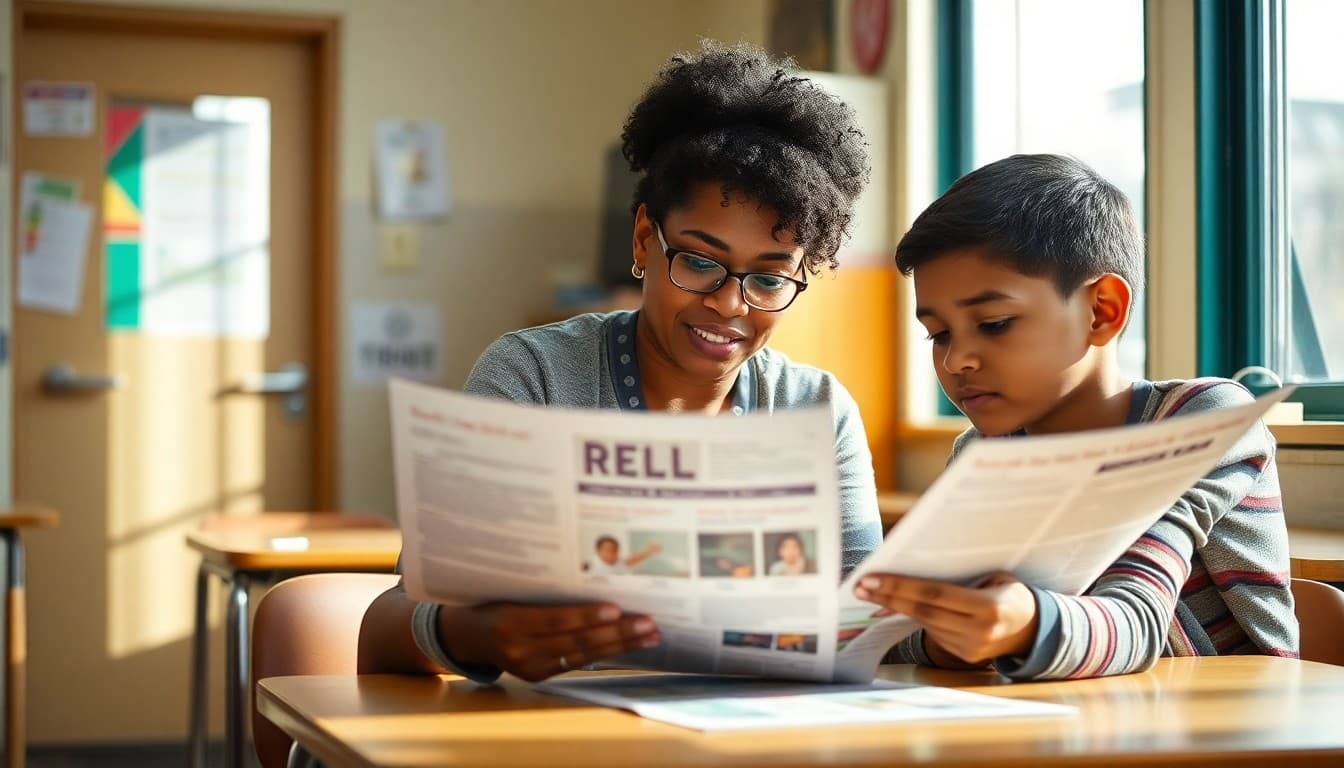
Oklahoma ELL Program Newsletter: Local Resources and Guide
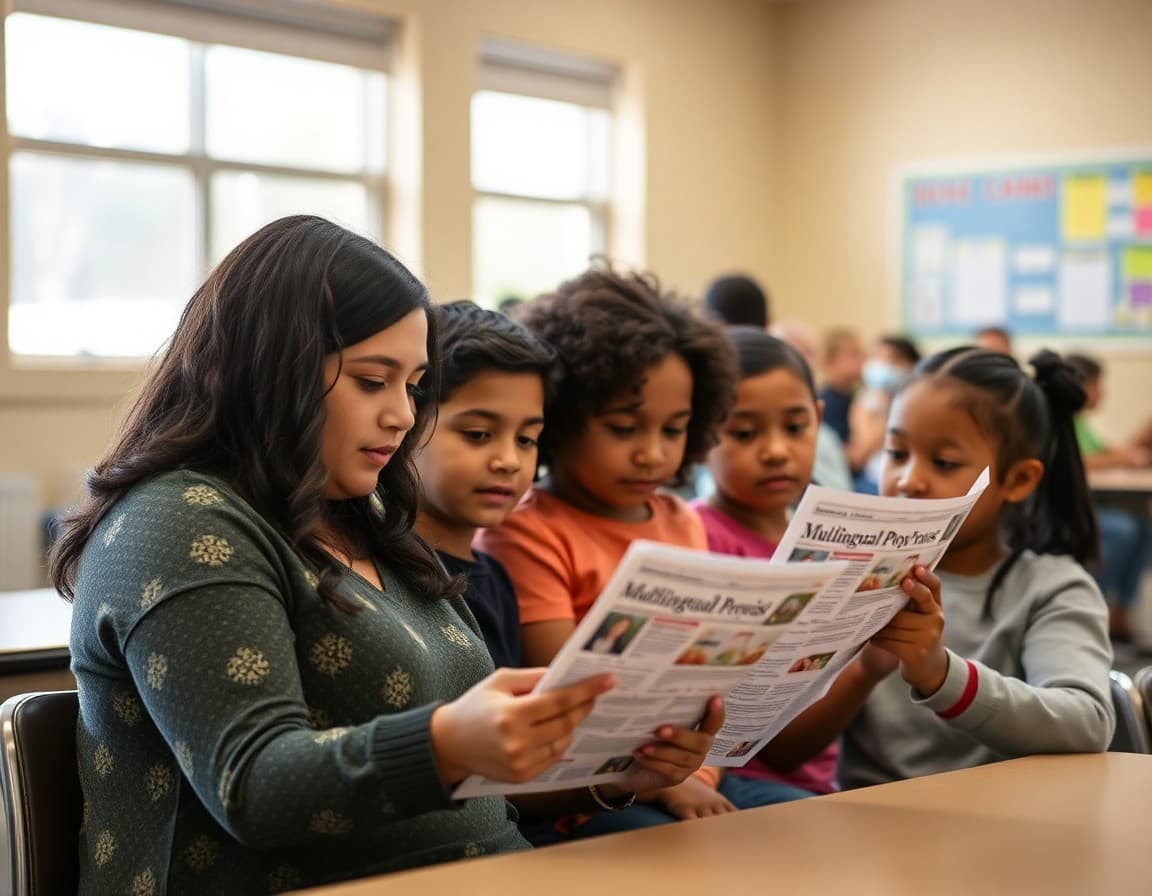
Oklahoma's ELL landscape is shaped by long-established communities and newer arrivals. Vietnamese-American families who came to Oklahoma City in the late 1970s have been there for nearly 50 years. Spanish-speaking communities tied to agriculture, meatpacking, and construction have grown steadily since the 1990s. More recently, Marshallese and Somali communities have become part of the ELL landscape. Oklahoma also has 39 federally recognized tribal nations, and some students from Native American communities may be identified as ELL students. Effective Oklahoma ELL newsletters understand which community they are writing for.
Oklahoma's Vietnamese-American Community
Oklahoma has one of the larger Vietnamese-American communities in the South Central region, concentrated primarily in Oklahoma City and Tulsa. Vietnamese families first arrived as refugees in the late 1970s and have built a multi-generational community. The Vietnamese American Community of Oklahoma is a well-established community organization. ELL students from this community today are often children or grandchildren of the original refugees, and their Vietnamese language proficiency varies significantly. Some recently arrived Vietnamese families create genuine new ELL needs alongside the established community.
Spanish-Speaking ELL Communities
Oklahoma's Spanish-speaking ELL population has grown significantly since the 1990s, driven by agriculture in western Oklahoma, meatpacking in communities like Guymon and Weatherford, and construction and service industries in Oklahoma City and Tulsa. Mexican and Central American families make up the majority. Oklahoma City has one of the more established Latino community infrastructures in the state, with community organizations, Catholic parishes, and community health centers with Spanish-speaking staff. Rural Oklahoma communities often have more limited resources.
Marshallese and Micronesian Families
Oklahoma City has seen growth in its Marshallese population, part of a broader pattern of Compact of Free Association families settling in inland US cities. These families have specific health, cultural, and language needs that standard ELL communication frameworks do not always address well. Working with community liaisons who understand Marshallese culture and can help ensure translations are accurate and culturally appropriate is important for effective communication with this community.
Oklahoma State Department of Education Resources
OSDE's English Learner Programs unit provides guidance on the OSDE website. WIDA ACCESS is Oklahoma's ELL proficiency assessment, and WIDA's multilingual family resources in Spanish, Vietnamese, and many other languages are worth linking to from Oklahoma ELL newsletters. Oklahoma's regional education cooperatives provide additional professional development and some translation resources to smaller districts.
Community Organizations in Oklahoma
Catholic Charities of Oklahoma operates resettlement and family services statewide. The Vietnamese American Community of Oklahoma serves Oklahoma City's Vietnamese community. Oklahoma City Community College and Tulsa Community College offer ESL programs for adults. Oklahoma legal aid organizations provide immigration assistance. Tribal education departments for Oklahoma's 39 tribal nations are important resources for Native American ELL students. Public libraries in Oklahoma City and Tulsa offer multilingual resources and ESL programs.
Native American Language Communities
Oklahoma has more federally recognized tribal nations than any other state, and some Oklahoma students come from families where Cherokee, Choctaw, Chickasaw, Creek, Seminole, or other Native languages are spoken at home. The Five Civilized Tribes each have tribal education departments with family resources. ELL newsletters for schools serving Native American students should affirm the cultural value of home language maintenance alongside English development, using language consistent with the specific tribal community's educational values.
Using Daystage for Oklahoma ELL Newsletters
Daystage supports Oklahoma ELL coordinators in creating newsletters with Spanish, Vietnamese, Marshallese, Somali, and other language sections and delivering them to family groups by language. For Oklahoma City schools with multi-community ELL populations, Daystage's segmented delivery ensures each family receives the right language content. The reusable template structure makes monthly communication sustainable for coordinators in smaller Oklahoma districts.
Get one newsletter idea every week.
Free. For teachers. No spam.
Frequently asked questions
What languages are most common among Oklahoma ELL students?
Spanish is the most common home language among Oklahoma ELL students, with concentrations in Oklahoma City, Tulsa, and communities tied to agriculture and food processing across the state. Vietnamese is the second most common, reflecting Oklahoma's significant Vietnamese-American community in Oklahoma City and Tulsa, established since the late 1970s. Hmong communities are present in some Oklahoma districts. Marshallese and other Micronesian languages are a growing presence in Oklahoma City, which has received Compact of Free Association families. Somali and Arabic communities are also present in urban areas.
What state agency oversees Oklahoma ELL programs?
The Oklahoma State Department of Education (OSDE) oversees ELL programs through its English Learner Programs unit. Oklahoma administers the WIDA ACCESS assessment. OSDE provides guidance and some family resources on the OSDE website. Oklahoma has developed its ELL program infrastructure significantly as the state's immigrant and refugee populations have grown, particularly in Oklahoma City and Tulsa.
What are Oklahoma ELL family rights?
Oklahoma ELL families have federal rights to notification within 30 days of ELL identification, communication in a language they understand, interpreter access for school meetings, and translated essential documents. Oklahoma law requires districts to meet these obligations. OSDE provides guidance on language access requirements. Families who are informed of their rights are more likely to participate in their child's ELL program and advocate for appropriate services.
What community resources serve Oklahoma ELL families?
Oklahoma City resources include Catholic Charities of Oklahoma which operates refugee resettlement and family services, Oklahoma City Community College which offers ESL programs, and the Vietnamese American Community of Oklahoma which serves the Vietnamese community. Tulsa resources include Catholic Charities Diocese of Tulsa, Tulsa Area United Way immigrant programs, and the Tulsa Day Center for the Homeless which serves some immigrant families. The Potawatomi Community Development Corporation serves Native American community members. Oklahoma has tribal nations with tribal education departments that are resources for Native American ELL students.
How does Daystage support Oklahoma ELL newsletters for diverse urban communities?
Daystage lets Oklahoma ELL coordinators build newsletters with Spanish, Vietnamese, Marshallese, and other language sections and deliver them to family groups by language. For Oklahoma City schools serving both Spanish-speaking and Vietnamese-speaking ELL families alongside newer Marshallese and Somali communities, Daystage's segmented delivery ensures each community receives content in their language. The reusable template structure helps coordinators in smaller Oklahoma districts manage ELL communication efficiently.

Adi Ackerman
Author
Adi Ackerman is a former classroom teacher and curriculum writer with 8 years in K-8 schools. She writes about school communication, parent engagement, and what actually works in real classrooms.
More for ELL & ESL
Ready to send your first newsletter?
3 newsletters free. No credit card. First one ready in under 5 minutes.
Get started free