
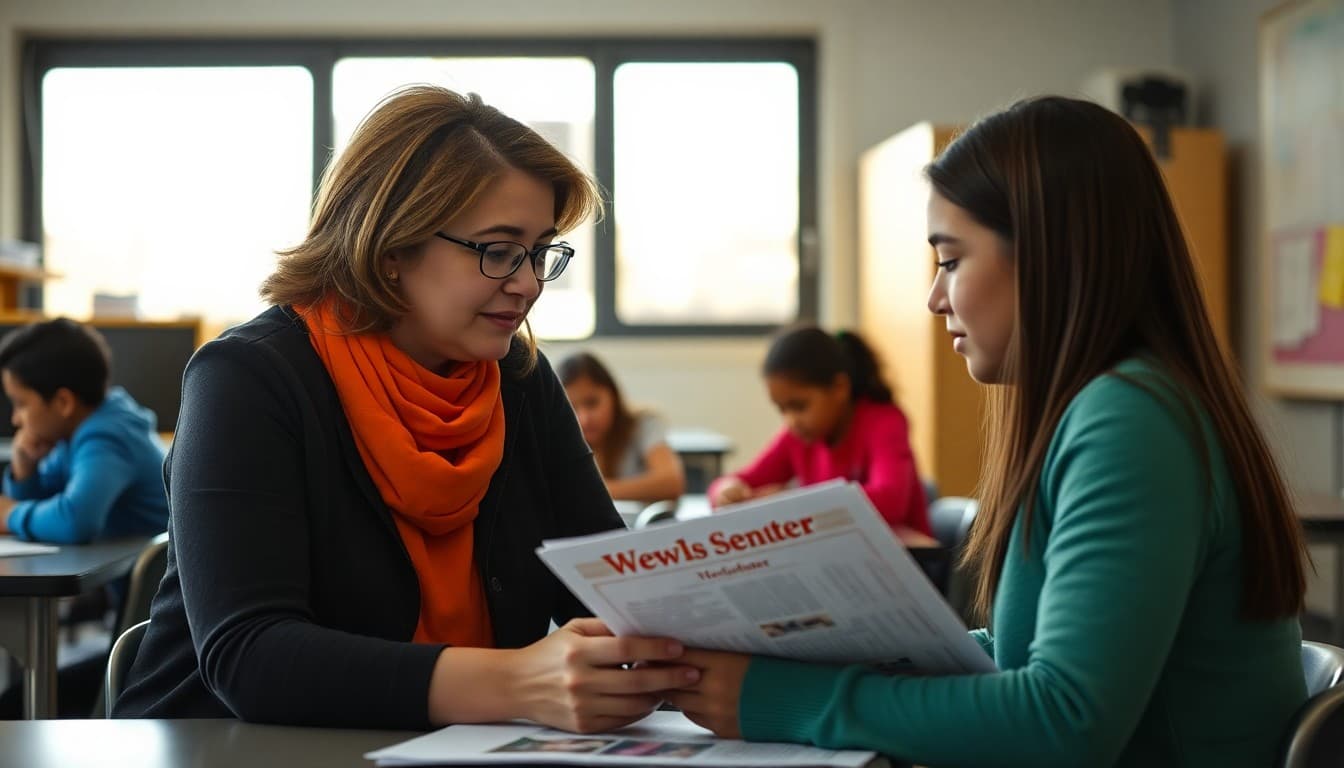
Nevada ELL Program Newsletter: Local Resources and Guide
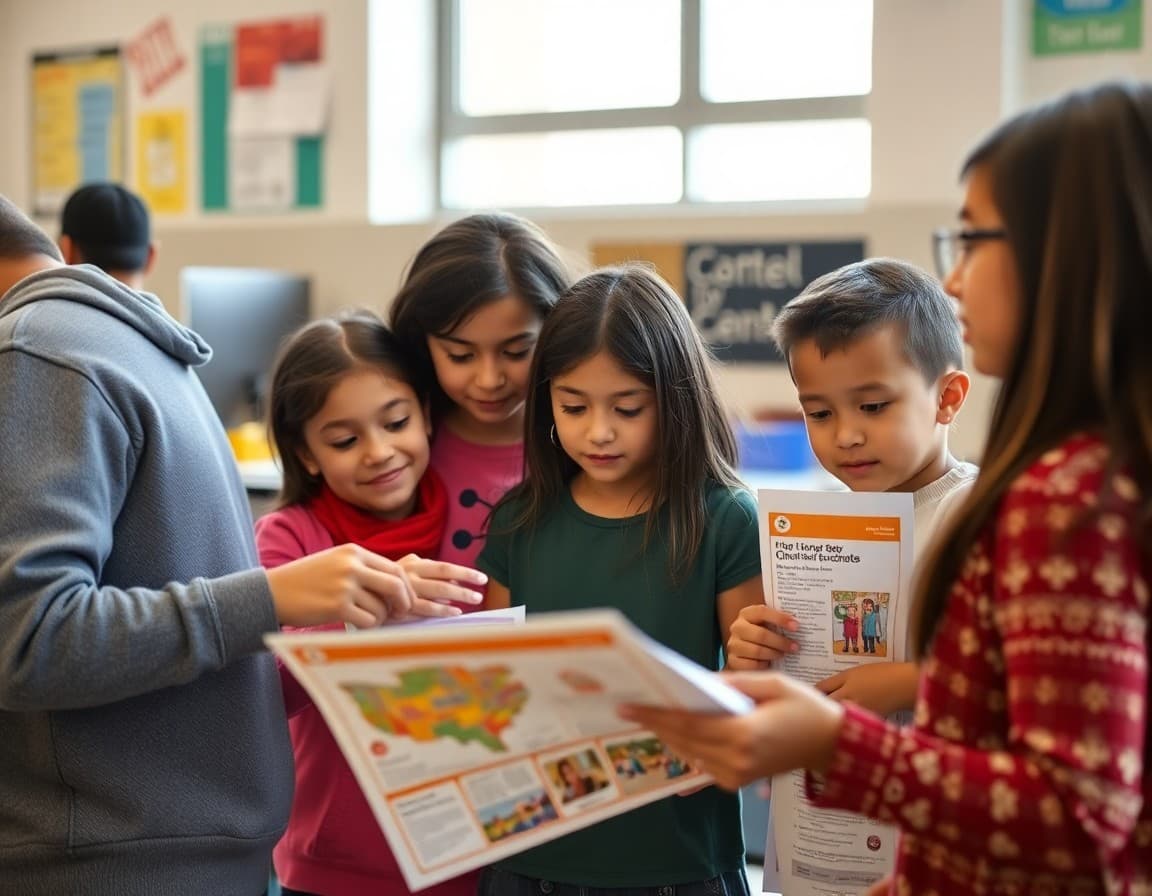
Nevada's ELL student population is one of the largest in the West, concentrated heavily in Clark County's vast Las Vegas metro area. The state's hospitality industry workforce brings families from Mexico, Central America, the Philippines, and many other countries. Clark County School District's scale and institutional capacity make it a model for multilingual family communication that smaller Nevada districts can reference. Effective Nevada ELL newsletters understand the working family context of the state's ELL communities.
Clark County: Scale and Diversity
Clark County School District is one of the largest in the United States. Spanish-speaking families are the largest ELL language group by far. Filipino-speaking families -- primarily Tagalog -- are second, reflecting the significant Filipino workforce in Las Vegas hotels, casinos, and healthcare facilities. Chinese, Vietnamese, Korean, and Arabic-speaking families are also present in substantial numbers. CCSD has developed multilingual family communication resources across many languages and is the primary institutional model for Nevada ELL communication.
For CCSD schools, the challenge is often not accessing resources but managing the scale of family communication in a way that reaches all language communities reliably. Digital delivery platforms that handle segmented multilanguage distribution are more practical at CCSD scale than paper distribution or individual email campaigns.
The Hospitality Industry Family Context
A large proportion of Nevada's ELL families work in the hospitality industry -- hotels, casinos, restaurants, and related services. This workforce includes many people who work evenings, overnight shifts, and weekends. Traditional school communication that assumes families are available during business hours or that relies on paper sent home with children does not work well for families with non-standard work schedules.
ELL newsletters that are delivered digitally to family email addresses, can be read at any time on a phone, and are written in the family's home language are significantly more accessible for hospitality industry workers than alternatives that require daytime availability or English reading proficiency.
Nevada's Filipino-American Community
Nevada has one of the larger Filipino-American populations in the United States, concentrated primarily in Clark County. Tagalog is the primary Filipino language, but Ilocano and Cebuano are also spoken by subsets of the Filipino community. Most Filipino-American families in Nevada have been here for a generation or more and are generally comfortable with English, but recently arrived family members and newer immigrants create Tagalog-language ELL communication needs in Clark County schools.
Nevada Department of Education Resources
NDE's English Language Learner Programs unit provides guidance and family resources on the NDE website. Nevada uses WIDA ACCESS for annual ELL proficiency testing. WIDA's multilingual family resources in Spanish, Tagalog, Chinese, and many other languages are worth linking to from Nevada ELL newsletters. CCSD has developed additional translated family resources that NDE references in its guidance to other Nevada districts.
Community Organizations in Nevada
The Culinary Workers Union Local 226 provides services to hospitality workers including many ELL families. Catholic Charities of Southern Nevada serves immigrant and refugee families. Asian Community Development Council serves various Asian-American communities in the Las Vegas area. IRC Las Vegas provides resettlement services. Nevada HAND provides affordable housing and family support. The Nevada Immigrant Coalition provides advocacy and community resources statewide. Washoe County in the Reno area has immigrant services organizations including Catholic Charities Northern Nevada.
Reaching Families Who Work Non-Standard Hours
Design ELL newsletters with the hospitality worker's schedule in mind. Include information about how families can reach school staff by email rather than only by phone during business hours. Note that interpreter services can often be arranged for evening or early morning meetings if families cannot attend daytime conferences. Making the school system accessible to working families is not just a courtesy -- it is what determines whether families can actually participate in their child's education.
Using Daystage for Nevada ELL Newsletters
Daystage supports Nevada ELL coordinators in creating newsletters with Spanish, Tagalog, Chinese, and other language sections and delivering them by email to family groups. For CCSD with its very large and diverse ELL population, Daystage's delivery infrastructure handles the volume requirements at scale. For smaller Nevada districts, the reusable template structure makes consistent monthly communication achievable.
Get one newsletter idea every week.
Free. For teachers. No spam.
Frequently asked questions
What languages are most common among Nevada ELL students?
Spanish is the most common home language among Nevada ELL students by a large margin, reflecting the state's large Latino population, particularly in Clark County (Las Vegas) and Washoe County (Reno). Tagalog is the second most common, reflecting Nevada's significant Filipino-American community tied to the hospitality industry. Other languages include Chinese (Cantonese and Mandarin), Arabic, Vietnamese, Korean, and Somali, concentrated in Clark County's diverse urban communities. Clark County School District is one of the five largest school districts in the United States and serves a very large and diverse ELL population.
What makes Clark County School District's ELL program notable?
Clark County School District (CCSD) serves over 300,000 students and has one of the largest ELL enrollments of any district in the country. CCSD has developed extensive multilingual family communication resources including translated parent guides, multilingual family liaisons, and phone interpretation for dozens of languages. The district's sheer scale means that ELL communication infrastructure here is more developed than in most Nevada districts. Smaller Nevada districts often model their approaches on CCSD resources while adapting for their smaller scale.
What state resources support Nevada ELL programs?
The Nevada Department of Education (NDE) oversees ELL programs through its English Language Learner Programs unit. Nevada administers the WIDA ACCESS assessment. NDE's ELL unit website provides guidance and some family resources. The Nevada DOE also administers Title III funding for ELL programs. Given Nevada's concentration of ELL students in Clark County, NDE and CCSD work closely together, and CCSD's resources often inform state-level guidance.
What community resources serve Nevada ELL families?
Las Vegas resources include the Culinary Workers Union Local 226 which provides services for hospitality industry workers including many ELL families, Nevada HAND which provides affordable housing and family services, and Catholic Charities of Southern Nevada. The Latin Chamber of Commerce serves the Latino business and community. The Asian Community Development Council serves Filipino, Chinese, Korean, and other Asian-American communities. The IRC Las Vegas serves refugee families. For Reno, the Reno-Sparks Indian Colony and immigrant services organizations serve their respective communities.
How does Daystage support Nevada ELL newsletters for the hospitality industry community?
Nevada's ELL families are heavily concentrated in the hospitality industry workforce, which has irregular hours and may find traditional school communication formats less convenient. Daystage's digital newsletter delivery by email lets ELL families receive and read school communication at convenient times rather than relying on paper distribution that may be missed by parents working evening or overnight shifts. Spanish, Tagalog, and other language sections delivered directly to family email addresses remove the language barrier from school communication for these working families.

Adi Ackerman
Author
Adi Ackerman is a former classroom teacher and curriculum writer with 8 years in K-8 schools. She writes about school communication, parent engagement, and what actually works in real classrooms.
More for ELL & ESL
Ready to send your first newsletter?
3 newsletters free. No credit card. First one ready in under 5 minutes.
Get started free