
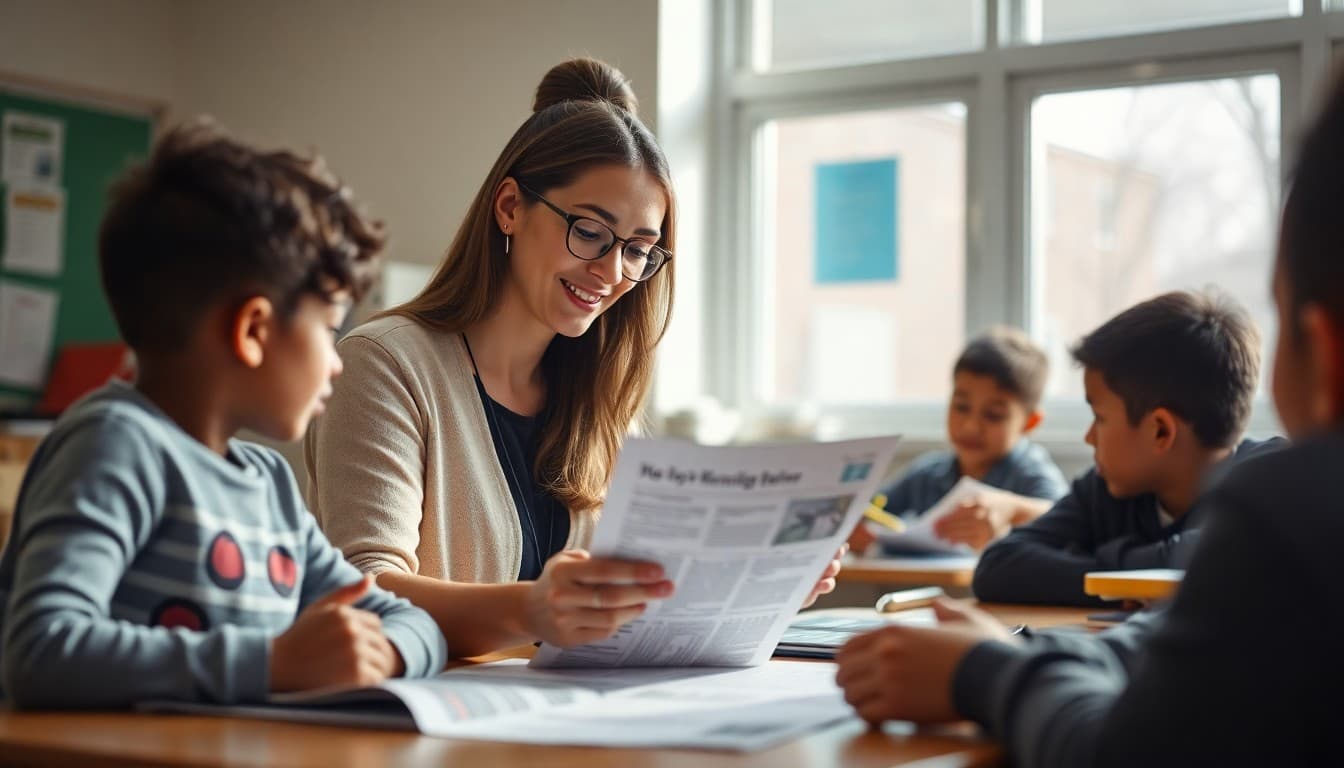
Minnesota ELL Program Newsletter: Local Resources and Guide
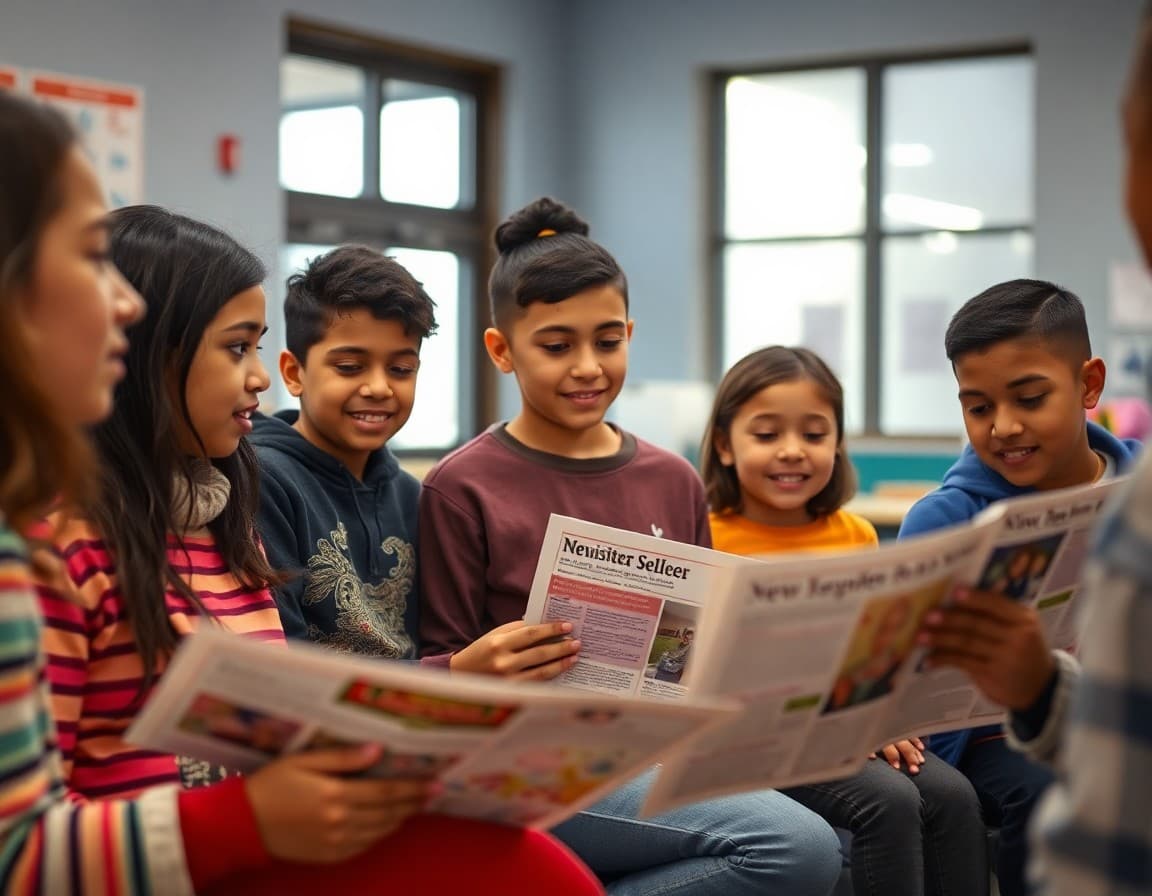
Minnesota has one of the most remarkable ELL landscapes in the United States. The Twin Cities metro area is home to one of the largest Somali communities and one of the largest Hmong communities in the country. These are not newly arrived communities -- many Hmong families have been in Minnesota since the late 1970s, and Somali families have been arriving since the early 1990s. Effective Minnesota ELL newsletters write with awareness of these deep community roots and the significant local resources that have developed to serve them.
The Hmong Community in Minnesota
Minnesota's Hmong community has been here for nearly 50 years, making it one of the most established Southeast Asian communities in the Midwest. Many current ELL students are second or third-generation Hmong-Americans whose parents or grandparents arrived as refugees from Laos. The Hmong community has built significant community infrastructure including Hmong American Partnerships (HAP), Hmong cultural organizations, and Hmong-language media. ELL newsletters for schools with Hmong ELL students can reference this community infrastructure confidently.
Note that there are two distinct Hmong writing systems -- White Hmong (Hmoob Dawb) and Green Hmong (Hmoob Ntsuab). Confirm which script your translating community uses before producing written materials.
The Somali Community in the Twin Cities
Minneapolis and St. Paul have one of the largest Somali communities in the United States, with families having arrived in multiple waves since the early 1990s. Cedar-Riverside in Minneapolis is known as Little Mogadishu and has a concentration of Somali businesses, mosques, and community organizations. The Somali American Parent Association (SAPA) is an important community partner for Minneapolis schools communicating with Somali families. Community mosques serve as trusted information hubs for many Somali families.
Minnesota's Growing East African and Latino Communities
Beyond Somali families, Minnesota has significant Oromo, Amharic, and Tigrinya-speaking communities from Ethiopia and Eritrea, particularly in the Twin Cities. Spanish-speaking families represent the third largest ELL group statewide, with concentrations in both urban and rural communities tied to agriculture and food processing. The Karen and other Burmese ethnic minority communities are present in St. Paul. Minnesota's diverse refugee resettlement history means that many different languages are represented in Twin Cities schools.
Minnesota Department of Education Resources
MDE's English Learner Programs unit website provides guidance and family resources for Minnesota ELL programs. The Minneapolis and St. Paul Public Schools systems have developed multilingual family communication resources in many languages that are worth examining as models. ACCESS for ELLs is Minnesota's ELL proficiency assessment. WIDA family resources in Hmong, Somali, Spanish, and many other languages are available and worth linking to from Minnesota ELL newsletters.
Twin Cities Community Resources
International Institute of Minnesota provides resettlement services and integration support. Hmong American Partnerships serves the Hmong community with education, employment, and community programs. Catholic Charities of St. Paul and Minneapolis serves diverse immigrant and refugee families. Navigate MN helps immigrant adults access services and navigate systems. The Advocates for Human Rights provides immigration legal assistance. Minneapolis and St. Paul public libraries have multilingual collections and ESL programs in many languages.
Rural Minnesota ELL Communities
Rural Minnesota has seen ELL growth in communities tied to food processing -- Worthington, Marshall, and other southwest and south-central Minnesota cities have large Spanish-speaking populations. Worthington has a particularly diverse population including Somali, Sudanese, and Latin American families tied to JBS USA meatpacking operations. Rural Minnesota ELL newsletters should reference local community resources rather than Twin Cities organizations that families cannot easily access.
Using Daystage for Minnesota ELL Newsletters
Daystage supports Minnesota ELL coordinators in creating newsletters with Somali, Hmong, Spanish, Karen, and other language sections and delivering them to family groups by language. For Twin Cities schools with large Somali and Hmong populations, access to the professional translator communities that exist in Minneapolis and St. Paul means high-quality translation for Daystage newsletters is more accessible in Minnesota than in most states.
Get one newsletter idea every week.
Free. For teachers. No spam.
Frequently asked questions
What languages are most common among Minnesota ELL students?
Somali is the most common home language among ELL students in Minneapolis and St. Paul, making the Twin Cities metro home to one of the largest Somali communities in the United States. Hmong is the second most common, reflecting a large Hmong community that has been in Minnesota since the late 1970s following the Vietnam War. Spanish-speaking families are the third largest ELL group statewide. Karen and other Burmese ethnic minority languages are present in St. Paul. Oromo and Amharic from Ethiopian and Eritrean communities are growing. Dakota and Ojibwe-speaking students from Native American communities are present in some districts.
What makes Minnesota's ELL context distinctive?
Minnesota has one of the largest Somali communities in the United States and one of the largest Hmong communities. These are multi-generational communities that have been in Minnesota for decades -- the Hmong community since the late 1970s, with Somali families arriving in large numbers in the 1990s and continuing through the present. This means that ELL newsletters for Twin Cities schools are often communicating with families who have significant experience with Minnesota schools and community institutions, not just newly arrived newcomers.
What state resources support Minnesota ELL programs?
The Minnesota Department of Education (MDE) oversees ELL programs through its English Learner Programs unit. Minnesota administers the ACCESS for ELLs assessment. MDE's World Languages and English Learner Programs office publishes guidance and some family resources on the MDE website. Minneapolis and St. Paul Public Schools have developed extensive multilingual family communication resources reflecting their large and diverse ELL populations. The Twin Cities also has a strong network of community organizations and nonprofit immigrant services that complement school communication.
What community organizations serve Minnesota ELL families?
Minneapolis and St. Paul resources include the Minnesota Council of Nonprofits, International Institute of Minnesota (which provides resettlement services), Somali American Parent Association (SAPA), Hmong American Partnerships (HAP), and Catholic Charities of St. Paul and Minneapolis. Navigate MN serves immigrant and refugee adults. The Advocates for Human Rights provides immigration legal assistance. Emerge Community Development and WestSide Community Health Services serve specific community needs. The Twin Cities public library system has multilingual collections and ESL programs in Somali, Hmong, Spanish, and many other languages.
How does Daystage support Minnesota ELL newsletters for Somali and Hmong communities?
Daystage lets Minnesota ELL coordinators build newsletters with Somali, Hmong, Spanish, and other language sections and deliver them to family groups by language. For Minneapolis and St. Paul schools with large Somali and Hmong ELL populations, Daystage's segmented delivery ensures each community receives the content in their language. Somali and Hmong are both languages with professional translator communities in the Twin Cities metro area, making high-quality translation for Daystage newsletters more accessible in Minnesota than in many other states.

Adi Ackerman
Author
Adi Ackerman is a former classroom teacher and curriculum writer with 8 years in K-8 schools. She writes about school communication, parent engagement, and what actually works in real classrooms.
More for ELL & ESL
Ready to send your first newsletter?
3 newsletters free. No credit card. First one ready in under 5 minutes.
Get started free