
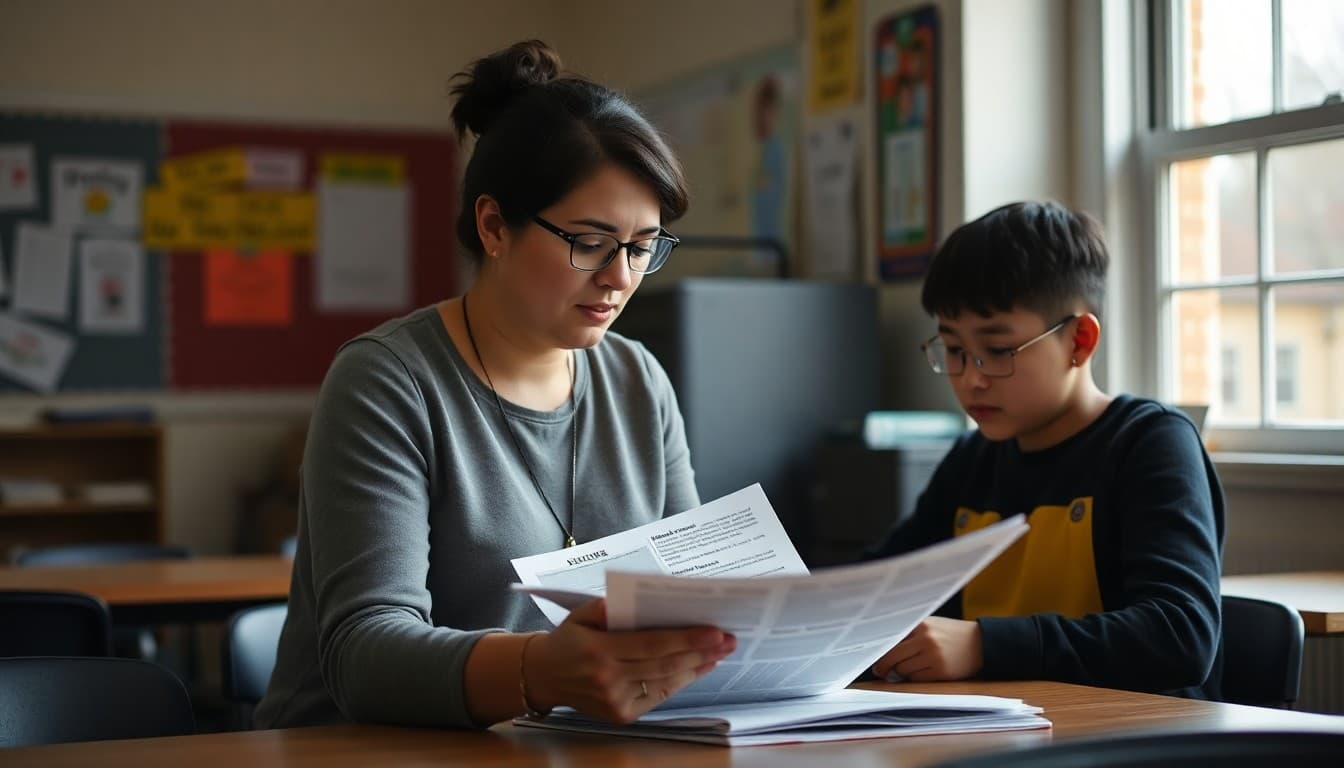
Maine ELL Program Newsletter: Local Resources and Guide
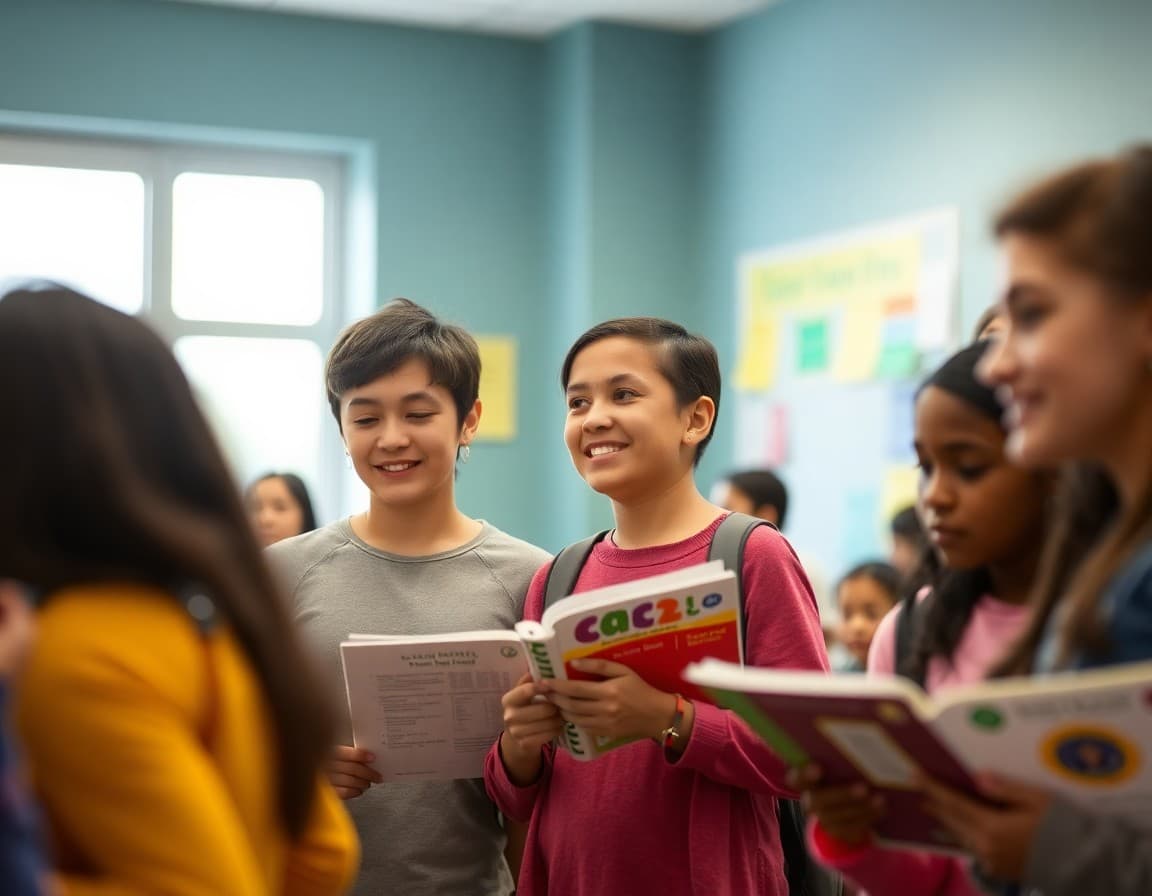
Maine is an unusual case in ELL education. The state is overwhelmingly white and English-speaking except in a handful of specific communities -- most notably Portland, which has welcomed refugee and immigrant families in numbers that make it one of the most linguistically diverse small cities in the United States. Writing an effective Maine ELL newsletter means understanding Portland's remarkable multilingual community and the very different context of the rest of the state.
Portland: A Remarkable Multilingual City
Portland, Maine has one of the largest Somali communities per capita in the United States. It has received significant numbers of Congolese, Sudanese, Iraqi, and other refugee families over the past 25 years. The Portland Public Schools system serves students speaking over 50 languages in a city of roughly 70,000 people. This is not typical of Maine overall -- it is the result of deliberate refugee resettlement policies and community welcome.
ELL newsletters for Portland schools can reference community organizations and resources that are genuine local assets. The Somali community organization infrastructure, the African community mosque networks, and the substantial immigrant services nonprofit sector in Portland are resources families actually use and trust.
Maine's Somali Community
The Somali community in Portland is multi-generational, with some families having been in Maine for nearly two decades. Newer arrivals continue to come through refugee resettlement and family reunification. Somali is a tonal language that presents specific translation challenges, and professional Somali translators in New England are in demand but available. Community mosque networks are important for reaching Somali families with information -- mosques serve community functions that go well beyond religious services and are trusted communication channels for many Somali families.
African Language Communities
French-speaking families from Congo, Cameroon, and other Francophone African countries are a significant community in Portland. French translation is relatively accessible, but it is worth noting that the French spoken in Central and West Africa has regional vocabulary differences from European French. Kinyarwanda, Swahili, Tigrinya, and Amharic are also spoken by Maine ELL students, with varying translation resource availability.
Maine Department of Education and Portland Public Schools Resources
Maine DOE's ESL unit provides guidance on the WIDA website and DOE resources. Portland Public Schools has developed multilingual family communication resources reflecting the city's population and is a useful resource for other Maine districts. The Maine Multilingual Literacy Initiative and adult education programs provide resources for families as well as schools.
Portland Community Resources for ELL Families
Maine Immigrant and Refugee Services (MEIRS) provides settlement and integration services with multilingual staff. Catholic Charities Maine serves refugee and immigrant families statewide. The Immigrant Legal Advocacy Project provides immigration legal services. Portland Adult Education offers free ESL classes for adults. The Portland Public Library has multilingual collections and newcomer resources. The Maine Multicultural Center and Somali community organizations are important partners for reaching specific communities.
Rural Maine and Small District ELL Communication
Most of Maine outside Portland has minimal ELL enrollment, and small districts that receive one or two ELL students -- sometimes newcomer families placed outside Portland -- may have very limited multilingual communication capacity. For these situations, Maine DOE's guidance and resources from Portland Public Schools provide a starting point. The Maine Migrant Education Program serves the smaller populations of migrant agricultural worker families in rural Maine.
Using Daystage for Maine ELL Newsletters
Daystage supports Maine ELL coordinators in creating newsletters with Somali, Arabic, French, and other language content and delivering them by email to family groups. For Portland schools where families in transitional housing may move frequently, digital email delivery with the ability to easily update family lists is more reliable than paper distribution alone.
Get one newsletter idea every week.
Free. For teachers. No spam.
Frequently asked questions
What languages are most common among Maine ELL students?
Somali is the most common home language among ELL students in Portland, Maine, which has one of the largest Somali communities per capita in the United States. Arabic-speaking families, including significant Sudanese and Iraqi communities, are also prominent in Portland. French-speaking families from Central and West Africa -- particularly Congo and Cameroon -- are a significant community. Kinyarwanda, Swahili, Tigrinya, and other African languages are spoken by Maine ELL students. Maine also has a small but historically significant French Canadian population in the northernmost counties. Spanish-speaking families are present but a smaller proportion of Maine's ELL population than in most other states.
What state agency oversees Maine ELL programs?
The Maine Department of Education (Maine DOE) oversees ELL programs through its English as a Second Language unit. Maine administers the WIDA ACCESS assessment. Portland Public Schools, given the concentration of ELL students there, has developed one of the most sophisticated multilingual family communication programs in New England. The Maine DOE works closely with Portland and other districts to support ELL program development and family engagement practices.
What community organizations serve Maine ELL families?
Portland resources are extensive given the city's significant refugee and immigrant population. Maine Immigrant and Refugee Services (MEIRS) provides settlement and integration services. Catholic Charities Maine serves refugee and immigrant families statewide. The Immigrant Legal Advocacy Project (ILAP) provides immigration legal services. Portland Adult Education offers ESL classes for adults. The Portland Public Library's Newcomer Collection includes resources in dozens of languages. The Maine Multicultural Center coordinates community programs. For Somali families specifically, community mosques and the Somali community organization infrastructure in Portland are critical partners for school communication.
What challenges are unique to Maine ELL communication?
Maine's ELL population is heavily concentrated in Portland, while rural Maine has minimal ELL enrollment. This concentration means Portland has developed strong ELL infrastructure while rural districts may have very limited experience with multilingual family communication. Maine's African refugee communities speak languages that are sometimes difficult to translate professionally -- Somali, Tigrinya, and some Central African languages have limited professional translator availability in New England. Community interpreter networks are important for languages where professional translators are scarce.
How does Daystage support Maine ELL newsletters for Portland's diverse families?
Daystage lets Maine ELL coordinators build newsletters with Somali, Arabic, French, and other language sections and deliver them by email to family groups. For Portland schools serving families speaking dozens of languages, Daystage's segmented delivery makes reaching different language communities practical. The platform's email delivery also addresses a real challenge in Portland, where paper distribution can be unreliable for families in transitional housing situations common in the newcomer population.

Adi Ackerman
Author
Adi Ackerman is a former classroom teacher and curriculum writer with 8 years in K-8 schools. She writes about school communication, parent engagement, and what actually works in real classrooms.
More for ELL & ESL
Ready to send your first newsletter?
3 newsletters free. No credit card. First one ready in under 5 minutes.
Get started free