
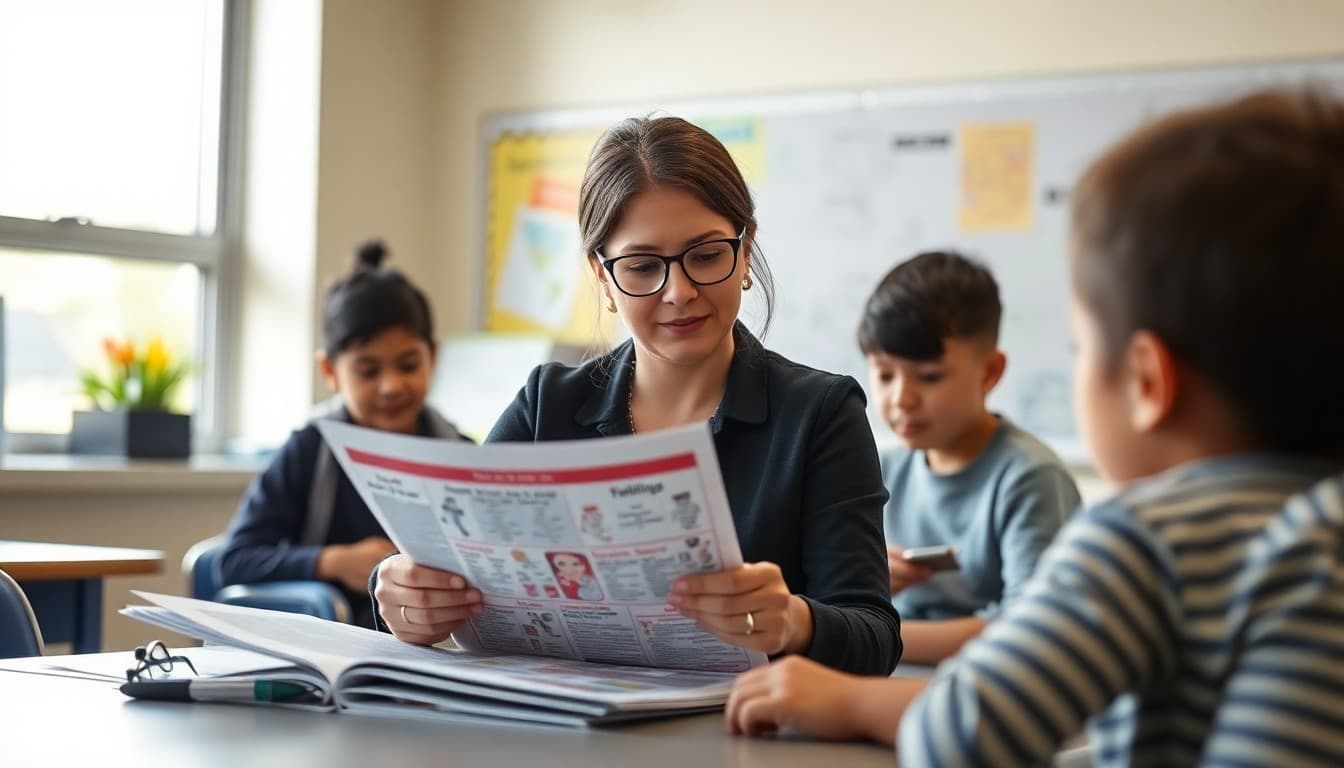
Idaho ELL Program Newsletter: Local Resources and Guide
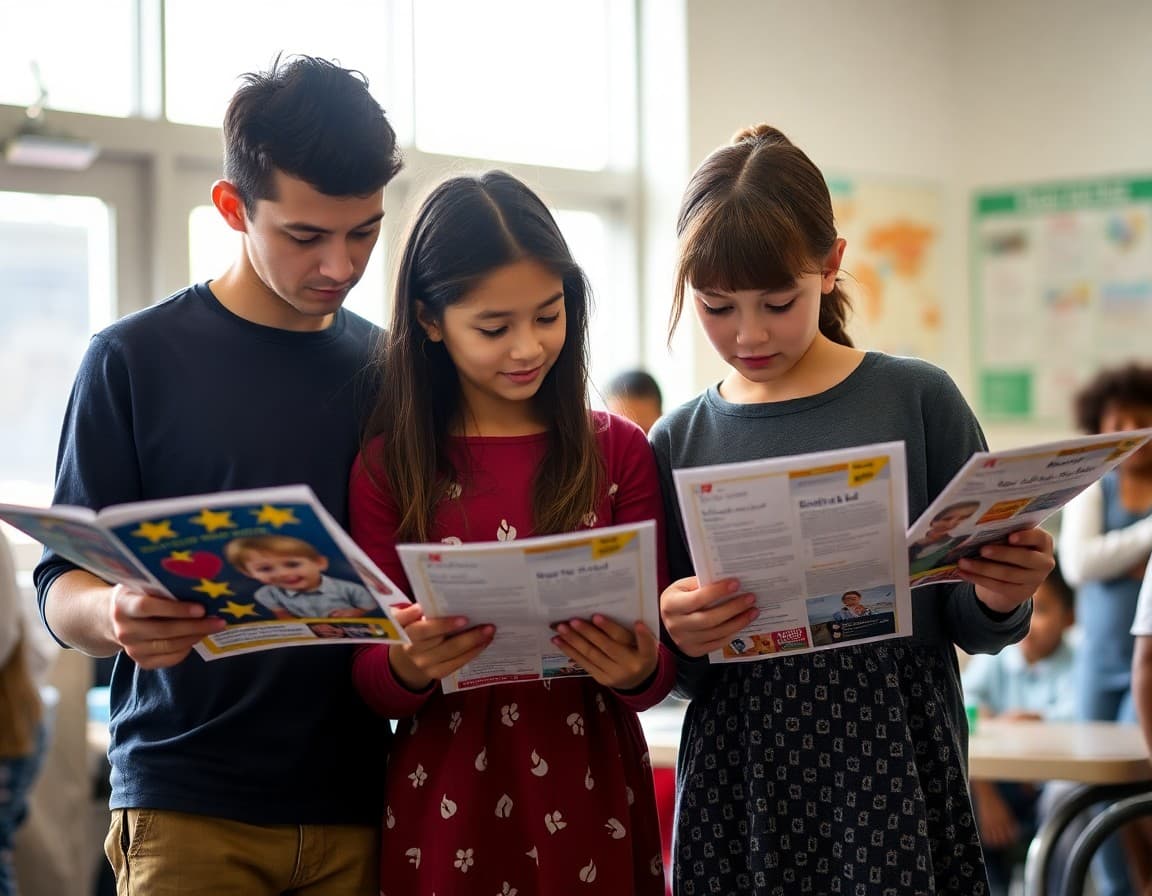
Idaho's ELL student population reflects two distinct demographics: long-established Spanish-speaking communities in agricultural regions, and a growing refugee population concentrated in the Boise metro area that represents some of the world's most displaced communities. Writing an effective Idaho ELL newsletter means understanding both of these contexts and the distinct resources available in your region of the state.
Idaho's Two ELL Demographic Contexts
The Magic Valley (Twin Falls, Jerome, Burley) and parts of the Treasure Valley have large, multi-generational Latino communities tied to agriculture and food processing. These communities have been in Idaho for decades, have developed local infrastructure, and are well-established in their school relationships. ELL newsletters for these communities build on an existing relationship rather than establishing a new one.
The Boise metro area has become one of the leading refugee resettlement destinations in the US per capita. Families from Iraq, Congo, Bosnia, Somalia, Afghanistan, and dozens of other countries have settled in Boise and surrounding cities. These families are often newer to Idaho, may have had limited or interrupted formal education, and may be encountering US school systems for the first time. ELL newsletters for this population need to explain even basic school structure rather than assuming familiarity.
Explaining Idaho's School System to Newcomer Families
For refugee and newcomer families, a section that explains how Idaho's school system is organized is worth including at least once per year. Grade levels, the difference between elementary and secondary school, how ELL identification works, and what the school year calendar looks like are all basic information that families from countries with different educational systems genuinely need. An ELL newsletter that treats these explanations as useful rather than patronizing builds trust with families who are new to the system.
Idaho State Department of Education ELL Resources
The Idaho SDE ELL unit provides guidance documents and some family resources on the SDE website. Idaho uses the WIDA ACCESS assessment for annual proficiency testing. The Idaho Office for Refugees, housed within the Idaho Department of Health and Welfare, coordinates with schools and resettlement agencies to support newly arrived refugee families and is an important partner resource for Boise-area ELL programs.
Community Resources by Region
Boise-area resources include the International Rescue Committee Boise, the Agency for New Americans, and the Idaho Migrant Council. The IRC Boise provides comprehensive resettlement services and has multilingual case managers who can help bridge school communication for newly arrived families. The Magic Valley region relies more heavily on community health centers, Catholic Social Services, and the College of Southern Idaho English Language Institute as key resources for Spanish-speaking families.
Agricultural Community Communication
Idaho's agricultural communities have seasonal population shifts driven by crop cycles. Some ELL families are year-round residents, while others follow seasonal work patterns. ELL newsletters for agricultural community schools should acknowledge this reality and include information about how students who leave for part of the year can maintain ELL services and re-enroll smoothly when they return. Migrant education program contacts are worth including for families who move seasonally.
Translation Challenges in Idaho
For less common refugee languages -- Dari, Pashto, Kinyarwanda, Burmese, and others -- professional translators may be harder to find in Idaho than in larger states. The IRC Boise has multilingual staff who can assist with some languages. Language Line telephone interpretation covers hundreds of languages and should be the fallback for school meetings with families speaking less common languages. For written translation, the WIDA consortium provides family resources in many languages that can be adapted for Idaho use.
Using Daystage for Idaho ELL Newsletters
Daystage lets Idaho ELL coordinators create newsletters with Spanish, Arabic, Somali, and other language content, deliver them by email to family groups, and include links to SDE and community resources. For coordinators managing ELL communication in smaller Idaho districts alongside other responsibilities, Daystage's reusable templates make consistent monthly communication sustainable without requiring significant additional time.
Get one newsletter idea every week.
Free. For teachers. No spam.
Frequently asked questions
What languages are most common among Idaho ELL students?
Spanish is the most common home language among Idaho ELL students, with large concentrations in agricultural communities in the Magic Valley (Twin Falls, Jerome, Burley), the Treasure Valley (Boise, Nampa, Caldwell), and eastern Idaho. Idaho has also seen significant growth in its refugee population in recent decades, with Boise receiving substantial numbers of refugees from Bosnia, Iraq, Congo, and more recently from Afghanistan and other countries. This means that Arabic, Somali, French Congolese, and Dari/Pashto are also significant ELL languages in the Boise metro area.
What state agency oversees ELL programs in Idaho?
The Idaho State Department of Education (SDE) oversees ELL programs through its English Language Learner unit. Idaho administers the WIDA ACCESS assessment for annual ELL proficiency testing. The SDE ELL unit website provides guidance documents and some family resources. Idaho is notable for its refugee resettlement infrastructure, particularly in Boise, where the Idaho Office for Refugees coordinates with resettlement agencies and schools to support newly arrived refugee families including ELL students.
How does Idaho's refugee population affect ELL communication needs?
Boise is one of the top refugee resettlement cities in the United States per capita. This means that Idaho ELL programs, particularly in the Boise metro area, serve families who have recently arrived from conflict zones and who may have had limited or interrupted formal education in their home countries. Refugee ELL families often have different communication needs than immigrant families with more stable immigration histories. The Idaho Office for Refugees and resettlement agency caseworkers are important partners in reaching newly arrived refugee families.
What community resources serve Idaho ELL families?
Boise-area resources include the International Rescue Committee Boise, Agency for New Americans (ANA) which provides ESL classes and family services, and the Idaho Migrant Council which serves Spanish-speaking agricultural families. The Treasure Valley YMCA and community health centers provide multilingual services. The College of Southern Idaho in Twin Falls has an English Language Institute and serves as a resource hub for the Magic Valley region. Idaho's public library system offers ESL programs in Boise, Twin Falls, and other cities.
How does Daystage support Idaho ELL program newsletters for diverse communities?
Daystage lets Idaho ELL coordinators build newsletters with Spanish, Arabic, Somali, and other home language sections and deliver them by email to family groups. For Boise-area schools serving both Spanish-speaking agricultural worker families and newly arrived refugee families from very different linguistic backgrounds, Daystage's language-segmented delivery ensures each family receives the right language content without confusion. The reusable template structure is particularly valuable for coordinators in smaller Idaho districts who manage multiple responsibilities.

Adi Ackerman
Author
Adi Ackerman is a former classroom teacher and curriculum writer with 8 years in K-8 schools. She writes about school communication, parent engagement, and what actually works in real classrooms.
More for ELL & ESL
Ready to send your first newsletter?
3 newsletters free. No credit card. First one ready in under 5 minutes.
Get started free