

ELL Home Language Survey Newsletter for Families
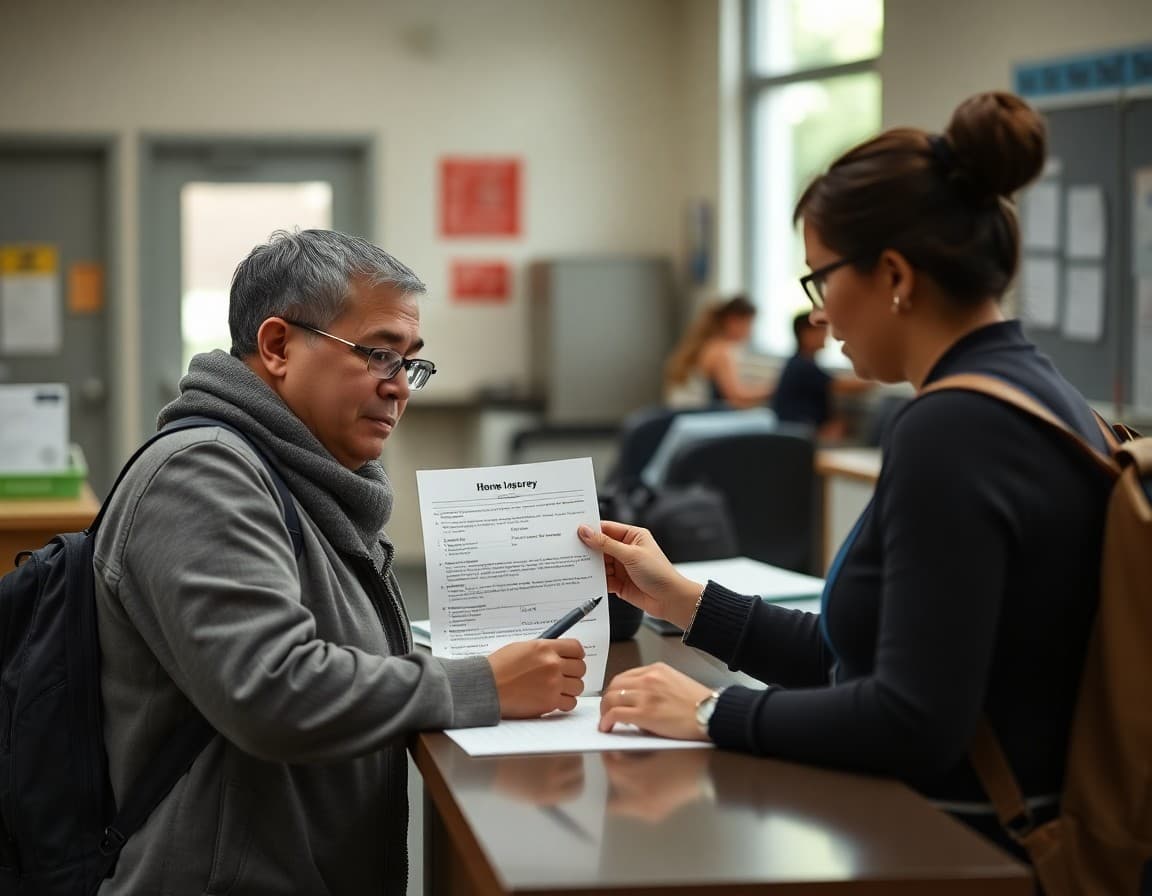
The home language survey is the first step in identifying students who need language support. It is also, unfortunately, one of the most frequently misunderstood or incompletely answered forms families receive at enrollment. A newsletter that explains the survey's purpose -- clearly and in the family's language -- fixes both problems before they affect a child's access to the services they need.
Why the Home Language Survey Matters More Than Families Realize
Federal law requires every state to identify English learners through a process that begins with the home language survey. A family that answers "English only" on every survey question -- regardless of what language is actually spoken at home -- shields their child from assessment. This means a student who genuinely needs language support may not receive it for months or years, falling further and further behind without anyone understanding why.
The families most likely to underreport are often the ones whose children most need support. A newsletter that explains the connection between honest answers and appropriate services is not just good communication. It is an equity intervention.
The Questions on the Home Language Survey
Most state home language surveys ask some version of these questions: What language(s) does your child speak most often at home? What language(s) do adults at home use most often? What was the first language your child learned to speak? What is your preferred language for school communication?
Your newsletter should walk through each of these questions and explain what the school does with the answers. Families who understand that answering "Spanish" to question one means their child will be screened for language proficiency -- not automatically placed in a separate class, not stigmatized, not disadvantaged -- are far more likely to answer honestly.
Addressing Fear of ELL Identification
Some families fear that ELL identification means their child will be tracked into a lower academic program or held to lower expectations. This fear is understandable given the history of how some ELL programs have been implemented. Your newsletter has an opportunity to address it directly.
Explain that ELL services are additional support provided alongside grade-level instruction, not instead of it. Explain that students who receive ELL services continue to work toward the same academic standards as all students. Explain that ELL identification and support is explicitly designed to help students reach the level where they no longer need services -- it is a bridge, not a track. Families who understand this are less likely to avoid honest answers on the survey.
A Template Newsletter Explanation of the Home Language Survey
Here is a section that works well in a home language survey explanation newsletter:
"When your child enrolls at [School Name], we will ask you to complete a short questionnaire called a Home Language Survey. This form asks about the languages spoken in your home. We ask these questions because federal law requires us to identify students who may need support learning English in school. If the survey indicates your child may need language support, we will invite them to take a short English assessment. This assessment helps us understand the best way to support your child in class. Completing this form honestly is the most important thing you can do to make sure your child gets the support they need from day one."
That paragraph is clear, honest, and frames accurate completion as an act of parental advocacy rather than a compliance requirement.
The Difference Between Identification and Placement
Many families conflate identification with mandatory placement in ELL services. They assume that if their child is identified as an English learner, they will automatically be removed from mainstream classes or assigned to a different program without the family's input. Your newsletter can clarify this clearly.
Under ESSA, families have the right to opt out of ELL services after their child has been identified. The school must still document the identification, but the family's preference for no services must be honored. Explaining this right does not encourage families to refuse services -- research consistently shows that ELL services improve outcomes. But it does address the fear that identification removes parental choice, which is a major driver of inaccurate survey responses.
What Happens After the Survey: Walking Families Through the Process
A newsletter that explains what comes after the survey prevents the confusion and anxiety that some families experience when they receive a call about language testing. Describe the sequence clearly: survey completion, screening if indicated, full assessment if screening suggests need, notification of results, and service placement with opportunity for family input. A family who knows this sequence in advance is not alarmed when the screening appointment call comes -- they expected it.
Including the Survey in Multiple Languages
If your newsletter includes a link to a digital home language survey or a paper form, ensure both are available in the languages your community speaks. A survey that can only be completed in English is not an accurate measure of home language practices for families who are more comfortable reading in another language. Most states have official translated versions of their home language survey forms. Use them.
Following Up With Families Who Did Not Complete the Survey
Some families will not complete the survey even after a clear explanation. For these families, a bilingual phone call from a staff member or community liaison in the family's language is the most effective follow-up. Explain that the survey takes less than five minutes, that it helps the school support the child, and that it is required by state law. Most families who understand why the form exists are willing to complete it when given a personal explanation rather than a second paper form.
Get one newsletter idea every week.
Free. For teachers. No spam.
Frequently asked questions
What is a home language survey and who is required to complete it?
A home language survey is a short questionnaire that schools give to every family at the time of enrollment. It asks questions like: what language is most often spoken in the home? What language does the child first learn? What language do parents prefer for communication? States are required under federal law to administer a home language survey to identify students who may need ELL assessment. The survey is not optional -- every new student's family must complete it regardless of their language background.
Why do some families underreport home language use on the survey?
Families underreport for several reasons. Some fear that identifying a home language other than English will label their child or limit their opportunities. Some believe that saying their child speaks English at home will exempt them from ELL testing they want to avoid. Some immigrant families worry that disclosing their home language will draw unwanted attention to their immigration status. A newsletter that explains why honest answers benefit the child -- because the survey determines whether the child gets language support they may need -- addresses these fears directly.
What happens after a family submits the home language survey?
If a family indicates a language other than English is spoken at home, the school must screen the student for English language proficiency using a state-approved screener. If the screener indicates the student may need language support, the student undergoes a full English language proficiency assessment. The school then notifies the family of the results and the educational program being provided. Families should understand this full sequence when they complete the survey so the process does not feel opaque or alarming.
How should schools handle families who want to opt out of ELL services after identification?
Under Title III of the Every Student Succeeds Act, parents have the right to refuse ELL services for their child after identification. Schools must inform families of this right. However, opting out does not mean opting out of the identification process -- the school still documents the child's proficiency level. A newsletter that explains this distinction helps families understand they have a voice in service decisions without being told they can avoid identification entirely.
Can Daystage help schools send home language survey explanation newsletters to new families?
Yes. Daystage lets you create a multilingual newsletter that explains the home language survey in the family's preferred language and includes a link to the survey form or instructions for completing it. Schools that send this newsletter before or at enrollment see higher rates of accurate survey completion because families understand what the survey is for before they fill it out. That accuracy leads to better identification and better outcomes for students who need language support.

Adi Ackerman
Author
Adi Ackerman is a former classroom teacher and curriculum writer with 8 years in K-8 schools. She writes about school communication, parent engagement, and what actually works in real classrooms.
More for ELL & ESL
Ready to send your first newsletter?
3 newsletters free. No credit card. First one ready in under 5 minutes.
Get started free