

Delaware ELL Program Newsletter: Local Resources and Guide
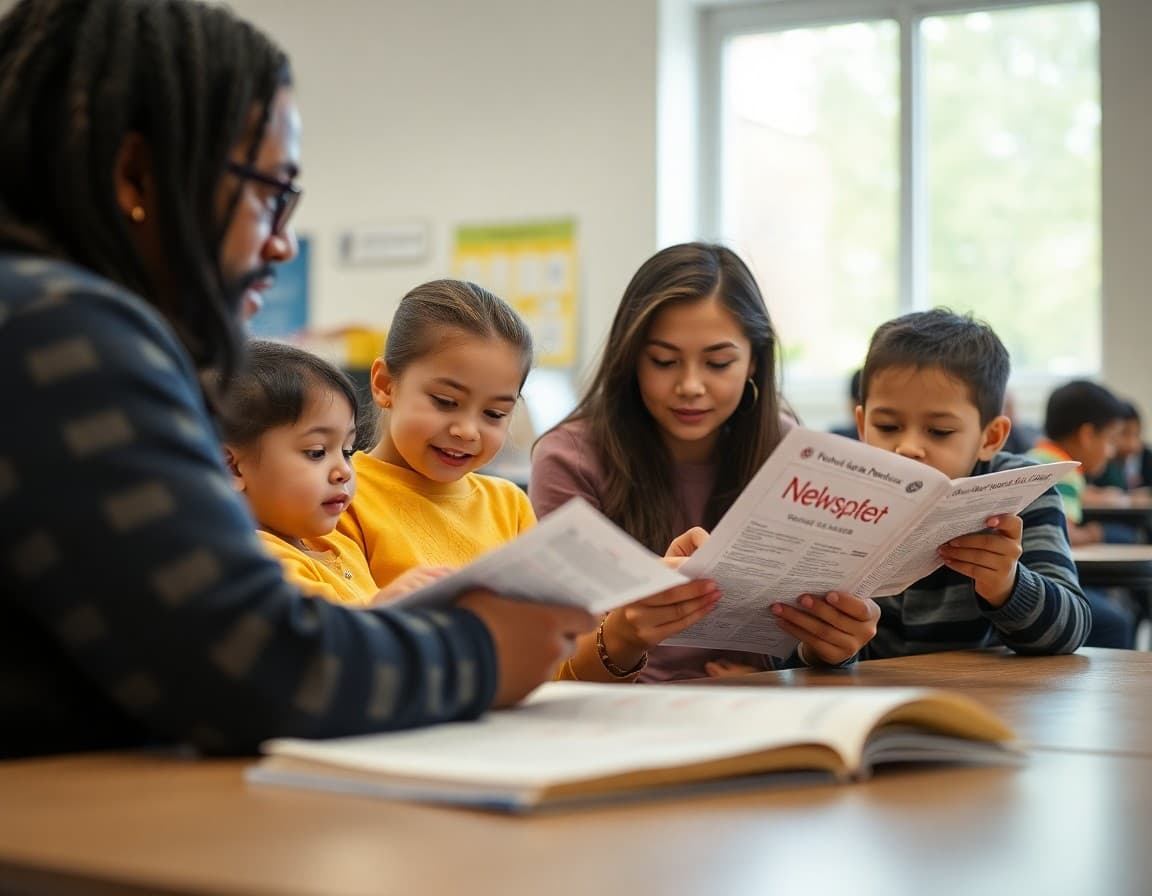
Delaware is the smallest state by area, but its ELL student population reflects the diversity of the broader mid-Atlantic region. Wilmington's urban schools, Dover's mixed urban-rural communities, and Sussex County's agricultural and poultry industry workforce all create distinct multilingual family populations with different communication needs. Effective Delaware ELL newsletters account for this regional variation while meeting consistent federal language access obligations.
Delaware's ELL Landscape by Region
New Castle County, centered on Wilmington, has the largest concentration of ELL students and the most diverse language communities. Spanish-speaking families are most numerous, with growing Haitian Creole-speaking and South Asian communities. Kent County, centered on Dover, serves a mix of Spanish-speaking families and smaller communities of other languages. Sussex County has a significant agricultural workforce with large Spanish-speaking populations, particularly in communities around Georgetown and Seaford.
Delaware's proximity to Philadelphia, Baltimore, and Washington DC means that some Delaware families access community resources across state lines. Keep this in mind when compiling resource lists -- metro-area resources that require a 30-minute drive may be more accessible than some in-state options.
What Delaware ELL Newsletters Should Cover
Standard ELL newsletter content applies here: what services the student receives, what the WIDA ACCESS assessment measures, what proficiency levels mean and when students may exit ELL services, and how families can support language development at home. Include contact information for ELL staff and how to request interpreter services for parent-teacher conferences and other meetings.
Delaware ELL coordinators should also note any Title III-funded programs their district offers, since Title III funding is tied to federal requirements that create specific family rights and program obligations worth communicating clearly.
Delaware Department of Education Resources
The DDOE Student Support Services office publishes ELL guidance and family information on the DDOE website. Delaware's relatively small state education office means that district coordinators can often access direct guidance from state staff more easily than in larger states. Include a reference to DDOE resources and the DDOE website in your newsletter as a source of official program information.
Community Organizations Serving Delaware ELL Families
The Latin American Community Center in Wilmington provides ESL classes, immigration legal assistance, health services, and family programs for Spanish-speaking families in northern Delaware. La Red Health Center serves Kent and Sussex County communities with multilingual health and family services. Catholic Charities Delaware provides resettlement services and family support for refugee and immigrant families. The Delaware Public Libraries system offers ESL programs and multilingual materials throughout the state.
Translation and Interpretation Access
Delaware districts can access telephone interpretation through Language Line and similar services for hundreds of languages. For written translation, the DDOE provides some translation support, and districts can contract with professional translation services. The Latin American Community Center in Wilmington is a resource for Spanish translation and community interpretation for northern Delaware schools. Include instructions in every newsletter for how families can request interpreter services for school meetings.
Summer Programs and Ongoing Learning
Delaware's summer programming for ELL families includes public library summer reading programs with multilingual resources, community center programs, and some district-run summer learning options. Sussex County Farm Bureau and related organizations sometimes offer family programs that serve the agricultural worker communities in that region. Include summer resources in your end of year newsletter and keep the resource list updated with current program information.
Sending Delaware ELL Newsletters With Daystage
Daystage lets Delaware ELL coordinators create professional newsletters with translated sections, email delivery to family groups, and links to state and community resources. For coordinators managing ELL communication alongside other responsibilities -- common in smaller Delaware districts -- Daystage's reusable template structure makes consistent monthly communication sustainable.
Get one newsletter idea every week.
Free. For teachers. No spam.
Frequently asked questions
What languages are most common among Delaware ELL students?
Spanish is the most common home language among Delaware ELL students, with the largest concentrations in Wilmington, Dover, and communities in New Castle County. Delaware has also seen growth in Haitian Creole-speaking families, particularly in New Castle County. Gujarati and Hindi-speaking families are present in suburban Delaware communities tied to the pharmaceutical and financial industries. Smaller communities of Somali, Arabic, and Vietnamese-speaking families are also represented in various districts. Review your current home language survey data to identify your specific district's translation priorities.
What state agency oversees ELL programs in Delaware?
The Delaware Department of Education (DDOE) oversees ELL programs through its Student Support Services office. DDOE administers Title III funding and provides guidance on English language development requirements. Delaware uses the WIDA ACCESS assessment for annual ELL proficiency measurement. The DDOE website provides family guides and resource information for ELL programs. Delaware's relatively small size means that the state ELL office is accessible to coordinators and families in ways that are more difficult in larger states.
What are Delaware ELL family rights under state and federal law?
Delaware ELL families have the same federal rights as ELL families in all states: notification within 30 days of ELL identification, meaningful communication in a language they understand, interpreter access for school meetings, translated essential documents, and the right to be informed about program options. Delaware is small enough that district-level ELL coordinators often know individual families, which can make relationship-based communication more practical than in larger states -- but formal language access obligations still apply and should be met consistently.
What community resources should Delaware ELL newsletters reference?
Wilmington-area resources include the Latin American Community Center, which provides bilingual family services and ESL programs. La Red Health Center serves Spanish-speaking families in Kent and Sussex Counties. The International Student and Scholar Services office at the University of Delaware is a resource for families tied to the university community. Catholic Charities Delaware serves immigrant families statewide. Public library ESL programs are available in Wilmington, Dover, and throughout the state. Delaware also has connections to Philadelphia-area resources given the proximity to the larger metropolitan area.
How does Daystage support Delaware ELL program newsletters?
Daystage lets Delaware ELL coordinators build newsletters with Spanish, Haitian Creole, and other language sections, deliver them by email to family groups, and include links to DDOE and community resources. Delaware's smaller ELL programs benefit from Daystage's reusable template structure, which lets coordinators who may be managing ELL communication alongside other responsibilities update and send newsletters in significantly less time than building a new document each month.

Adi Ackerman
Author
Adi Ackerman is a former classroom teacher and curriculum writer with 8 years in K-8 schools. She writes about school communication, parent engagement, and what actually works in real classrooms.
More for ELL & ESL
Ready to send your first newsletter?
3 newsletters free. No credit card. First one ready in under 5 minutes.
Get started free