
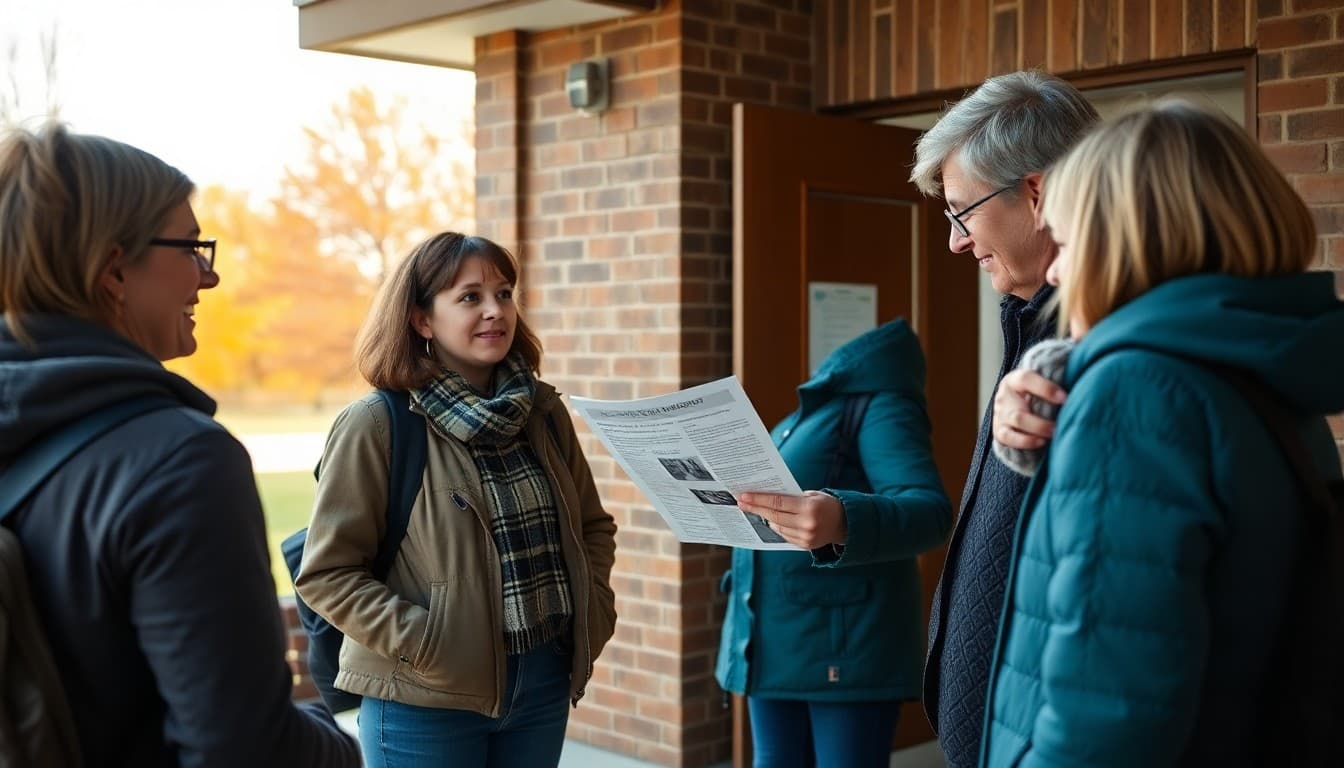
Wisconsin Elementary School Parent Communication Guide
Wisconsin elementary schools serve communities as different as Milwaukee's urban neighborhoods and isolated northern Wisconsin logging towns. Between those poles are suburban districts along Lake Michigan, college towns like Madison and Eau Claire, the large Hmong communities of the Fox Valley, and dairy farming communities that have operated on the same rhythms for generations. Parent communication that works across this range has to be flexible, consistent, and genuinely connected to the specific community the school serves. This guide walks through how to build that.
Handle Winter Weather Communication Before It Arrives
Wisconsin winters are serious. Schools in Milwaukee, Green Bay, and Madison can close for snowstorms. Schools in the northern counties may close for cold snaps that bring temperatures below minus 30. Families need to know before the school year begins exactly how the school communicates winter closures and delays: which notification system, what the temperature threshold for closure is, how early notifications go out, and what to do if a closure is announced after students are already on buses. Getting this information into your beginning-of-year newsletter prevents the most common winter communication failures before they happen.
Acknowledge Wisconsin's Agricultural Calendar
Wisconsin is the leading dairy state in the country, and a significant portion of Wisconsin elementary families are connected to farming, whether as farm families or as part of communities shaped by agriculture. The dairy and crop calendar affects family availability in spring (planting) and fall (harvest). Scheduling parent-teacher conferences, volunteer events, and school nights with awareness of those seasonal pressures shows that you understand the lives your families actually live. Mentioning the agriculture connection in your newsletter, particularly for farm communities, builds the sense that school and family life are in dialogue rather than competing.
Support Milwaukee's Diverse School Communities
Milwaukee is one of the most segregated cities in the United States, and Milwaukee Public Schools serve communities with significant resource gaps. Spanish-speaking, Hmong, Somali, and African American families make up substantial portions of MPS elementary enrollment. Multilingual communication, community resource information, and a warm, non-bureaucratic tone are particularly important in Milwaukee. Families in Milwaukee's most underserved communities often have the highest need for school connection and the most to gain from a teacher who communicates consistently and personally.
A Template Newsletter Section for WI Families
Here is a practical, warm template for Wisconsin elementary teachers:
"Hello [CLASS] families. Here is what we are working on this week: [ACADEMIC FOCUS]. Upcoming: [2-3 DATES OR EVENTS]. One thing to practice at home: [SPECIFIC ACTIVITY]. Winter weather reminder: [IF RELEVANT]. Testing note: [IF APPLICABLE]. Best way to reach me: [CONTACT INFO]. Thank you for your continued partnership."
For schools with Hmong, Spanish-speaking, or Somali families, adding a translated key points section below the English content makes a meaningful difference. Even partial translation is better than English-only communication.
Cover Forward Exam Testing Windows Early
Wisconsin's Forward Exam runs in the spring for grades 3 through 5 in English language arts, math, and science. A newsletter in March that explains the testing calendar, attendance expectations, and how results will be shared reduces the confusion and anxiety that school offices typically field in April. Include a brief explanation of what the Forward Exam measures and how the results are used at the school and district level. Wisconsin families who understand the assessment context are more likely to support the testing process and ensure their children are present and rested on test days.
Recognize the Hmong Community's Distinct Communication Culture
The Fox Valley, particularly the Appleton and Green Bay areas, has one of the largest Hmong communities in the United States. Many Hmong families have deeply invested in education as a path forward, but language barriers and differences in communication culture can limit engagement with school systems. Teachers in these communities who work with Hmong community liaisons, who provide translated communications in Hmong where possible, and who build personal relationships with Hmong families report significantly higher engagement than those who rely on English-only digital communication.
Address Madison's Progressive Educational Culture
Madison Metropolitan School District has a strong culture of family engagement, progressive education, and community involvement in school decision-making. Madison families are among the most engaged in the state but also among the most likely to have high expectations for communication quality, transparency, and cultural competency. Newsletters that reflect genuine attention to equity, that acknowledge the diversity of the MMSD community, and that communicate curriculum and policy decisions transparently tend to build strong trust with Madison families.
Send Every Week Through the Long Wisconsin Winter
Wisconsin's school year runs from September through early June, and the long stretch from January through March can feel like the most disconnected part of the year for families. Schools that maintain consistent weekly communication through the winter keep families engaged in ways that help attendance, academic progress, and overall school culture. Daystage helps Wisconsin elementary teachers maintain that consistency by making newsletter production fast and simple enough to hold the weekly habit even during the coldest, busiest weeks of the school year.
Get one newsletter idea every week.
Free. For teachers. No spam.
Frequently asked questions
What are the best ways to communicate with parents at Wisconsin elementary schools?
Wisconsin elementary schools range from urban Milwaukee and Madison districts to suburban communities in the Fox Valley and Lake Country, to small rural and agricultural schools across the northern and central parts of the state. Digital communication via email and app works well in urban and suburban WI communities. Rural schools, particularly in northern Wisconsin and the agricultural communities of central Wisconsin, benefit from text messaging and paper notices as primary channels. A consistent weekly communication rhythm is the most effective strategy statewide.
What state-specific events or topics should Wisconsin elementary newsletters cover?
Wisconsin elementary newsletters should cover Forward Exam testing windows in the spring for grades 3-5, severe winter weather and school closure communication, dairy farm and agriculture calendar considerations for rural communities, and any Wisconsin Department of Public Instruction curriculum or policy updates. Milwaukee Public Schools and Madison Metropolitan School District families should also receive communication about community resources, after-school programs, and summer learning opportunities.
How do Wisconsin elementary schools handle multilingual parent communication?
Wisconsin has significant Hispanic and Latino populations in Milwaukee, Racine, Kenosha, and agricultural communities in the Fox Valley. Milwaukee also has large African American, Hmong, and Somali communities. The Hmong community in the Fox Valley and Milwaukee is one of the largest in the country. Elementary teachers in these communities should provide translated communications for key content, particularly testing, safety, and family engagement information.
What communication tools work best for reaching Wisconsin elementary families?
In Madison, Milwaukee, and suburban communities, email and app-based notifications work well. In rural northern Wisconsin and agricultural communities in central and western Wisconsin, text messaging and phone calls have better reach. Many WI districts use platforms like ParentSquare or SchoolReach. Individual teacher newsletters provide the classroom-specific detail that motivates families to stay engaged beyond just receiving school-wide notices.
What tool do Wisconsin elementary school teachers use to send professional newsletters?
Daystage is used by elementary teachers in Wisconsin to create and send polished newsletters quickly without design skills. Teachers can build weekly updates with classroom photos, event details, and curriculum highlights and send them to family email addresses in a few minutes. For Wisconsin teachers who want to maintain consistent professional communication throughout the long school year, it makes the habit sustainable.

Adi Ackerman
Author
Adi Ackerman is a former classroom teacher and curriculum writer with 8 years in K-8 schools. She writes about school communication, parent engagement, and what actually works in real classrooms.
More for Elementary
Ready to send your first newsletter?
3 newsletters free. No credit card. First one ready in under 5 minutes.
Get started free