
Elementary School Newsletter for Multilingual Families
A classroom newsletter that only reaches English-fluent families is a classroom newsletter that excludes a significant portion of most elementary school communities. Reaching multilingual families does not require a full-time translator. It requires writing clearly, choosing your tools intentionally, and building the kind of consistency that helps families follow along even when language is a barrier.
Start with plain language, not translation
The most impactful step toward multilingual accessibility is improving the original English newsletter. A newsletter written in plain, clear English:
- Translates more accurately via automated tools
- Is easier to understand for families reading in their second or third language
- Is easier for human translators to work with quickly
- Is also clearer for all families, including English-fluent ones
Write short sentences. One idea per sentence. Avoid idioms. "Hit the ground running" and "drop everything and read" mean nothing in many languages and translate oddly in others. Replace them with what you actually mean. "We want students to read for twenty minutes every night" is clearer than "DEAR time is our cornerstone."
Translation tools and how to use them
For digital newsletters, browser-based translation tools handle most common languages well enough for functional understanding. Google Chrome's built-in translation is widely used. DeepL handles nuance better than Google Translate for many European languages. For languages with lower digital resource availability, accuracy drops.
If your school community includes a significant population of families speaking a specific language, a one-time investment in having a community member review an automated translation of your standard newsletter template is worthwhile. The template language stays consistent week to week, so reviewing it once covers most of the recurring content.
For high-stakes communications, including permission slips, behavior notices, and information about major events, use your district's translation services rather than automated tools. Automated translation errors in high-stakes contexts create real problems.
Visual structure as a language bridge
A consistently structured newsletter communicates even when families cannot read every word. If the newsletter always has a "This Week" section at the top, a "Coming Up" section in the middle, and a "Quick Reminders" section at the bottom, families who cannot read English fluently can still orient themselves and identify whether there is something requiring action.
Use section headers. Use bullet points for lists rather than paragraph form. Include dates in a format that is internationally readable. 12/09 means December 9th in the US and September 12th in most of the rest of the world. Write "Wednesday, December 9th" and remove the ambiguity entirely.
Photos and visual content
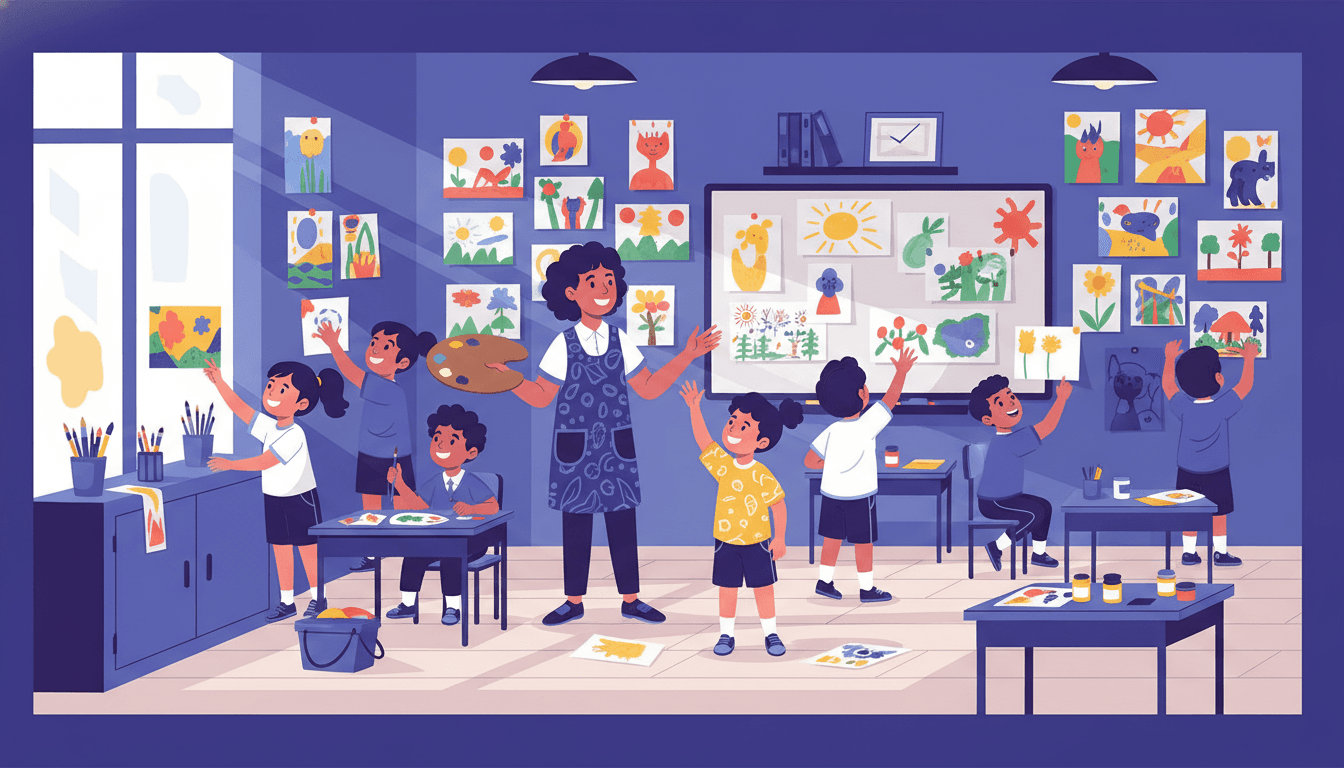
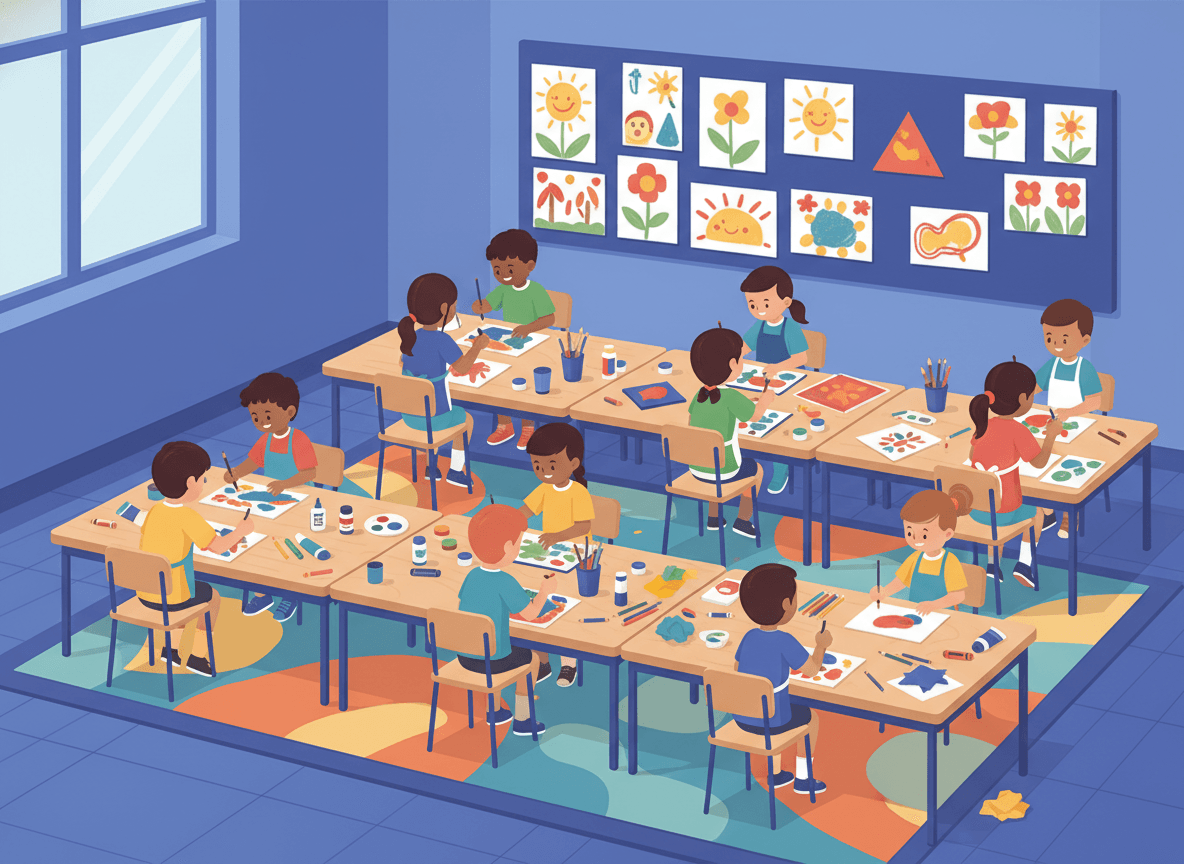
A photo of students working on a project communicates across language barriers in a way that text cannot. If your school policy permits classroom photos in newsletters, they are especially valuable for multilingual families who want to understand what their child's school day looks like.
Captions on photos should be short and literal. "Students building a model of a plant cell" tells families exactly what is happening. "Getting creative with science!" conveys enthusiasm but communicates nothing specific and does not translate meaningfully.
Building trust with multilingual families over time
Families who immigrate to a new country often have strong cultural norms around educator-family relationships. In some cultures, contacting a teacher directly is unusual and feels presumptuous. In others, attending school events is difficult due to work schedules or transportation. A newsletter that is warm, consistent, and non-demanding builds trust with families who may never send an email but are paying close attention.
Consistency is the key variable. Multilingual families who receive a reliable newsletter in a familiar format build a relationship with the classroom communication over the year, even when individual issues are not fully understood. That relationship is worth building.
Get one newsletter idea every week.
Free. For teachers. No spam.
Frequently asked questions
What is the most important thing to get right in a newsletter for multilingual families?
Plain language in the original newsletter matters more than translation quality. A newsletter full of idioms, jargon, and complex sentence structures is hard to translate accurately and hard to understand even with a translation app. Writing clearly in plain English is the most impactful thing a teacher can do to reach multilingual families.
What translation options work for elementary school newsletters?
For digital newsletters, tools like Google Translate, DeepL, and built-in browser translation work reasonably well for Spanish, Mandarin, Somali, Arabic, and many other languages. For printed newsletters, the school district often provides translation services. Some schools use a community volunteer model where fluent community members review automated translations for accuracy.
How do you write an elementary newsletter so it translates well?
Use short sentences. Avoid idioms, phrasal verbs, and cultural references that do not translate. Prefer concrete words over abstract ones. 'Your child should bring a water bottle to school every day' translates cleanly. 'Make sure your child is hydrated and ready to hit the ground running' does not. Every simplification improves both readability and translation accuracy.
How do you build engagement with families whose English proficiency is limited?
Engagement builds through consistency, warmth, and predictability rather than through text volume. Multilingual families who receive regular, short, visually clear newsletters in a format they can navigate build a relationship with the communication even before they can read every word. Photos of the classroom, a consistent structure, and a warm tone cross language barriers.
Can Daystage help teachers reach multilingual families?
Daystage newsletters are formatted in a clean, structured way that works well with browser-based translation tools. The consistent section structure means multilingual families learn where to find information each week, reducing their reliance on reading every word. Teachers using Daystage can send newsletters that are readable by families across language backgrounds.

Adi Ackerman
Author
Adi Ackerman is a former classroom teacher and curriculum writer with 8 years in K-8 schools. She writes about school communication, parent engagement, and what actually works in real classrooms.
More for Elementary
Ready to send your first newsletter?
3 newsletters free. No credit card. First one ready in under 5 minutes.
Get started free