
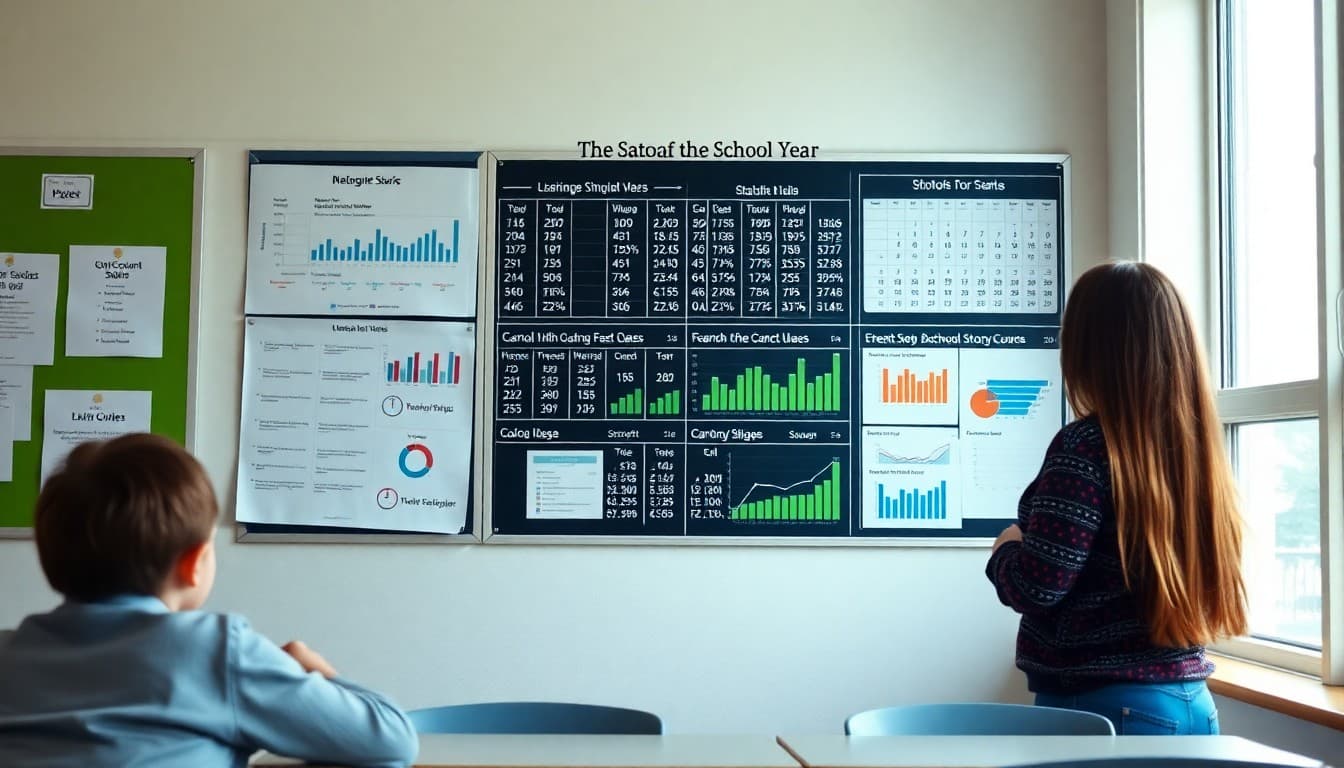
Statistics Beginning of Year Newsletter: Elementary School Guide
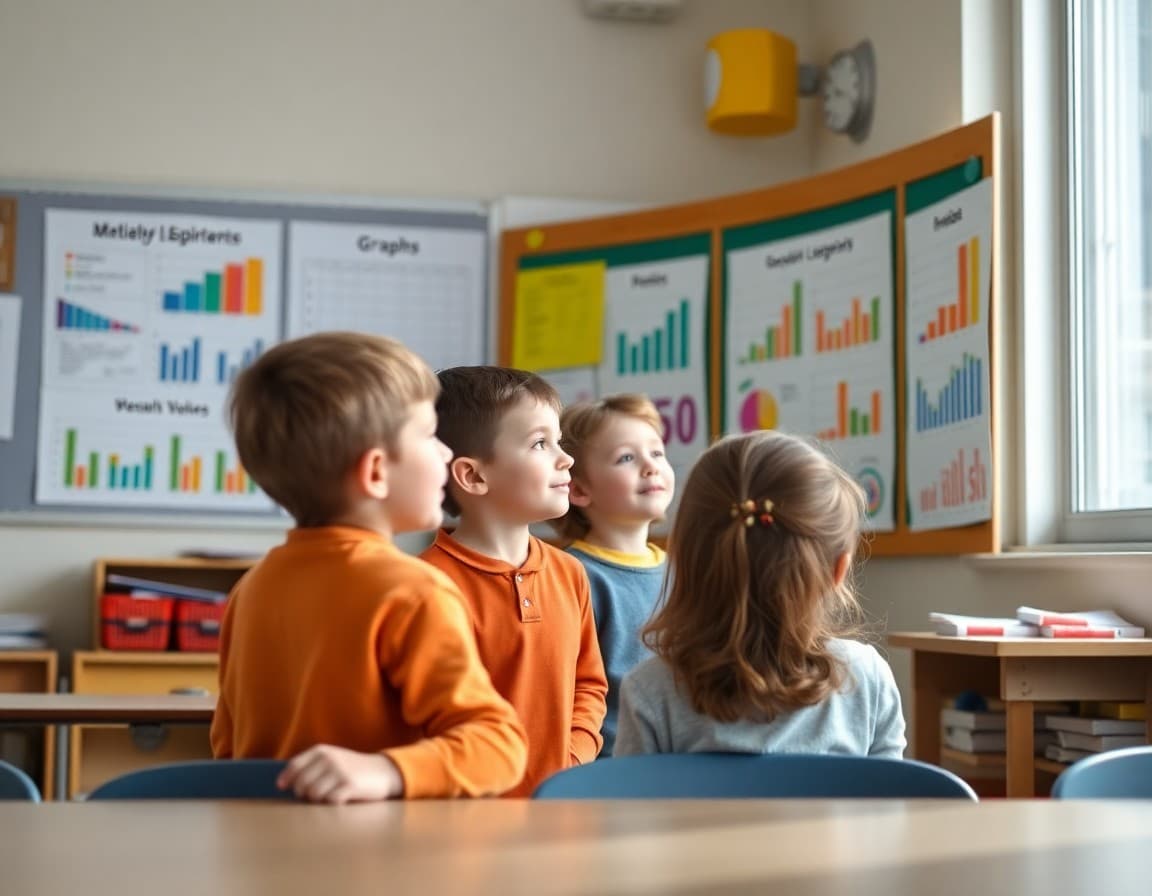
A beginning-of-year newsletter about statistics is an opportunity to reshape how families think about data and math. Most parents did not enjoy statistics in school. A newsletter that reframes the topic as reading graphs, making sense of real information, and asking good questions about data starts the year with enthusiasm rather than dread.
Opening With the Right Framing
Do not open with "we will be studying statistics this year." Open with why it matters. "Every weather forecast, sports scoreboard, and news article about survey results uses the skills your student will build in our data and statistics units this year. By the end of [GRADE], your student will be able to read and create graphs, describe what data tells us, and ask smart questions about whether a claim is backed by evidence."
That opening gives parents context they did not have before. It also sets the tone: this is practical, real-world mathematics.
What Statistics Looks Like at Each Elementary Grade
Statistics content builds significantly across the elementary grades. If your newsletter serves multiple grades or if you want parents to understand the progression, a brief grade-by-grade snapshot is useful. At grade 1 and 2, students sort objects into categories and read simple picture graphs. At grade 3, they work with scaled bar graphs and interpret data to answer multi-step questions. At grade 4 and 5, they work with line plots, fractions in data displays, and measures of central tendency (mean, median, mode). Seeing that progression helps parents understand that the tally charts their second grader makes are laying the groundwork for the data analysis their fifth grader will do.
What the Year Covers at Your Grade Level
After the broader framing, get specific about your grade's content. For a third grade class: "This year we will study tally charts and pictographs in September, bar graphs and data questions in November, and line plots in spring. Each unit includes a small project where students collect their own data and present their findings."
For a fifth grade class: "We will study line plots in October, mean, median, and mode in January, and coordinate graphs and scatter plots in March. The major statistics assessment is a data project where students design a survey, collect and analyze results, and present their findings."
Connecting Data to Daily Life
Give parents a simple way to start connecting statistics to home life right now, before the first data unit begins. "Pay attention to graphs and charts when they appear in your daily life. A weather app, a newspaper article, or a food nutrition label all contain data. Point them out and ask your student 'what does this graph tell us?' That habit costs nothing and builds exactly the kind of data literacy we develop in school."
Supplies and Materials
List any materials students will need specifically for data and statistics work. Graph paper, rulers for drawing axes, and access to the class's online math platform are typical. Some teachers use specific manipulatives for lower elementary statistics work, like sorting tiles or attribute blocks. If any of these come home for homework, a brief description prevents confusion.
At-Home Activity to Start Right Now
Suggest one specific activity families can try in the first week of school. "Pick something your family can count each day this week: how many times it rains, how many minutes you spend outside, or how many people come to the dinner table. Record the count each day, then at the end of the week, have your student draw a simple bar graph of the results. What does the graph show?"
This activity takes five minutes per day and introduces data collection, recording, and graphing in a context that feels personal and meaningful rather than academic.
How Statistics Connects to Science and Social Studies
Elementary statistics is not just a math skill. It connects directly to science, where students use data tables and graphs to record observations, and to social studies, where students read population charts and map data. A newsletter that mentions these connections helps families see that supporting statistics learning at home is an investment across multiple subjects.
Contact and Next Steps
Close with your contact information and a note about when the first data unit will start. "Our first statistics unit begins in [MONTH]. I will send a unit newsletter with specific vocabulary, activities, and assessment details when we start. In the meantime, if you have questions about the math curriculum, I am available at [email]."
Get one newsletter idea every week.
Free. For teachers. No spam.
Frequently asked questions
What should a beginning-of-year statistics newsletter include for elementary school parents?
A brief overview of what statistics means at the elementary level and why it is part of the math curriculum, the specific data topics students will study across the year (tally charts, bar graphs, line plots, mean/median/mode depending on grade), how the content builds toward middle school math, supplies or materials needed, and one easy at-home activity that introduces the concept of collecting and reading data.
How do I explain why elementary school students learn statistics?
Connect it to skills parents already value. 'Reading charts and graphs is a skill your student will use in science class, in news literacy, in sports statistics, and in college and career work. Starting with simple data collection and graphs in elementary school builds the foundation for more complex data analysis in middle and high school.' That explanation is accurate and motivating for families who see statistics as optional.
Should a beginning-of-year newsletter mention all the math topics for the year or just statistics?
If you are a math specialist sending a statistics-specific newsletter, focus on the data and statistics strand. If you are a classroom teacher sending a general beginning-of-year newsletter, you can cover all math domains briefly. A statistics-focused newsletter works best at the start of the first data unit rather than as a general beginning-of-year communication.
What grade-level expectations should I communicate to parents for elementary statistics?
Be grade-specific. First graders organize data into categories and create picture graphs. Third graders read and draw bar graphs and answer questions about the data. Fifth graders calculate mean, median, and mode and interpret line plots with fractions. Parents who know what their student's grade is responsible for understand the level of support to provide and do not expect the same skills from a first grader and a fifth grader.
How does Daystage support elementary teachers who send subject-specific newsletters?
Daystage lets elementary teachers build subject-specific templates for math, science, reading, and other domains. For statistics, a saved template with sections for unit overview, vocabulary, at-home activity, and assessment preview means each statistics newsletter takes minutes rather than starting from scratch. Consistent formatting also trains families to find the information they need quickly.

Adi Ackerman
Author
Adi Ackerman is a former classroom teacher and curriculum writer with 8 years in K-8 schools. She writes about school communication, parent engagement, and what actually works in real classrooms.
More for Elementary
Ready to send your first newsletter?
3 newsletters free. No credit card. First one ready in under 5 minutes.
Get started free