
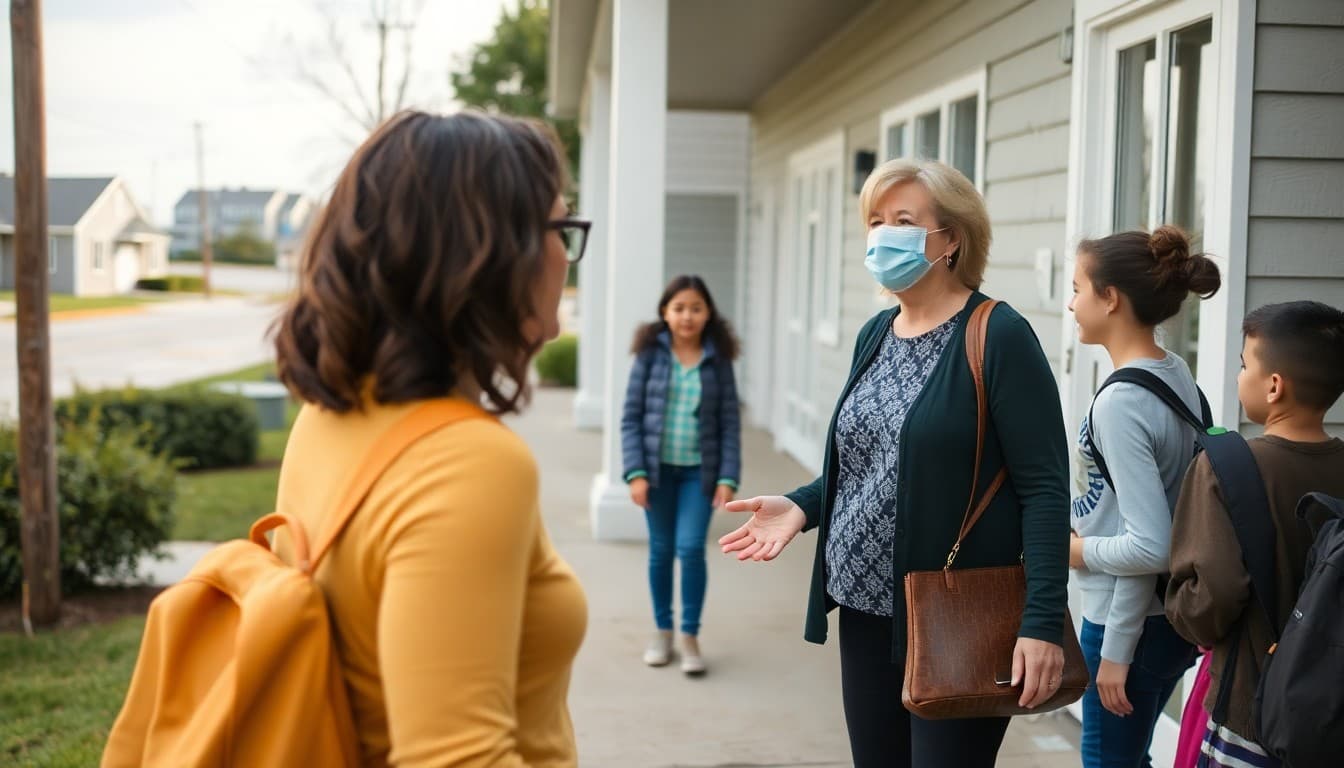
Rhode Island Elementary School Parent Communication Guide
Rhode Island packs enormous diversity into a small geographic area. The elementary schools of Providence, Pawtucket, and Central Falls serve families from dozens of countries speaking dozens of languages. Suburban districts on the East Bay or in South County serve mostly English-speaking families with high digital access. Coastal communities face hurricane season. This guide covers how to build parent communication that works across that range.
Providence Schools Require Intentional Multilingual Planning
Providence public elementary schools serve large populations of Spanish-speaking, Portuguese-speaking, and Cape Verdean Creole-speaking families, along with significant numbers of families who speak Hmong, Somali, and other languages. For Providence teachers, multilingual communication is not optional; it is central to whether families actually receive the information they need. Building a habit of translating at least the key dates, event invitations, and testing reminders in your newsletter is a practical starting point even if full translation of every section is not feasible.
Cover RICAS Testing Windows Early
Rhode Island's RICAS assessments for grades 3 through 5 run in the spring. Families need advance notice about testing dates, attendance expectations, and what the assessments cover. A newsletter in late February or early March that walks through the RICAS calendar, explains what the test measures, and notes any preparation families can do at home reduces last-minute confusion and keeps attendance rates steady during the testing window. Include information about how scores will be shared and when families can expect to see results.
Communicate Coastal Storm and Hurricane Preparedness
Rhode Island is one of the most vulnerable New England states to coastal storms and hurricane impacts. Families with children in coastal and near-coastal elementary schools benefit from knowing how the school communicates storm-related closures, what the evacuation protocol looks like for school buildings in flood zones, and how reunification with children is handled following an emergency. A beginning-of-year newsletter section on emergency communication, updated in August before hurricane season peaks, sets expectations before any storm arrives.
A Template Newsletter Section for RI Families
Here is a template that works across Rhode Island's varied school communities:
"Hello [CLASS] families. This week in class we are working on [ACADEMIC FOCUS]. Coming up: [2-3 KEY DATES]. One way to support your child at home this week: [SPECIFIC TIP]. Reminder: [TESTING, POLICY, OR WEATHER NOTE]. Best way to reach me: [CONTACT INFO]. Thank you for your support."
For multilingual schools, add a translated section below in Spanish or Portuguese covering the key dates and the most important reminder. Even a partial translation shows families that you are thinking about them.
Build Around the Small-State School Culture
Rhode Island has the smallest school system of any state in the country, and that creates some unique dynamics. Teacher reputations and school community norms travel fast in RI. A teacher who communicates consistently and well builds a reputation that precedes them. A teacher who goes weeks without communication creates anxiety that spreads quickly through parent networks. In a small state, your communication practices are visible to the whole community in a way they might not be in a larger state.
Address the Providence-Suburb Gap Thoughtfully
There is a significant difference between the resources available to elementary schools in Providence and those in wealthier suburban districts like Barrington, Westerly, or South Kingstown. Providence teachers often work with larger class sizes, more complex family needs, and less administrative support for communication. That reality does not reduce the importance of consistent communication; it makes it more important. Families in high-need urban schools are often less likely to feel connected to their child's classroom and more likely to benefit from a teacher who reaches out proactively every week.
Coordinate with District Systems Without Duplicating Effort
Many Rhode Island districts have moved to unified communication platforms. Individual teacher newsletters should add value on top of what the school-wide system provides, not just duplicate it. Your newsletter covers what is happening in your specific classroom: what the class is reading this week, what the science project looks like, which students gave exceptional presentations. That classroom-level specificity is what motivates families to read your communication even when they are already receiving district-wide notices.
Send on a Reliable Schedule
The most effective communication strategy in any Rhode Island elementary school is a simple one: send something every week, on the same day, at the same time. Families who receive a newsletter every Friday afternoon build the expectation that information is coming. When they know they can check every Friday for updates, they stop emailing you on Wednesdays to ask what is happening. Daystage helps RI teachers maintain that schedule by making the production process fast and simple, even on a busy Friday.
Get one newsletter idea every week.
Free. For teachers. No spam.
Frequently asked questions
What are the best ways to communicate with parents at Rhode Island elementary schools?
Rhode Island is the smallest state in the country but has significant variation in its school communities: affluent coastal towns, diverse urban districts in Providence and Central Falls, and smaller suburban districts in between. Digital communication via email and app works well across most of the state. Providence schools serve large multilingual populations and need bilingual communication as a standard practice. Consistent, brief, weekly communication tends to outperform occasional longer updates in RI school communities.
What state-specific events or topics should Rhode Island elementary newsletters cover?
Rhode Island elementary newsletters should cover RICAS (Rhode Island Comprehensive Assessment System) testing windows in the spring, hurricane and coastal storm preparedness for shoreline communities, Providence public school district-specific events and policy updates, and any Rhode Island Department of Education initiatives that affect classroom practices. Schools serving Portuguese-speaking families, particularly in East Providence and areas with significant Cape Verdean communities, should prioritize translated communication.
How do Rhode Island elementary schools handle multilingual parent communication?
Providence schools serve some of the most diverse student populations in New England, with significant numbers of Spanish-speaking, Portuguese-speaking, Cape Verdean Creole-speaking, and Hmong-speaking families. Rhode Island has language access requirements for schools with significant ELL populations. Elementary teachers in Providence and nearby communities should treat bilingual newsletters as standard practice, not an extra step. Even translating key dates and event information makes a meaningful difference in engagement.
What communication tools work best for reaching Rhode Island elementary families?
In most Rhode Island communities, email and app-based communication reach families effectively. Providence schools benefit from SMS text messaging as a primary channel for time-sensitive information, since it reaches families with basic cell phones and does not require a smartphone app. Many RI districts have moved to unified communication platforms. Individual teacher newsletters add value by providing classroom-specific context and personal tone that system-wide notifications cannot replicate.
What tool do Rhode Island elementary school teachers use to send professional newsletters?
Daystage is used by elementary teachers in Rhode Island to create and send polished class newsletters quickly. Teachers can organize by class or grade, include photos and event reminders, and reach families on any device without requiring them to download a separate app. For teachers in Rhode Island's busy and diverse school communities, it makes professional communication achievable on a consistent weekly basis.

Adi Ackerman
Author
Adi Ackerman is a former classroom teacher and curriculum writer with 8 years in K-8 schools. She writes about school communication, parent engagement, and what actually works in real classrooms.
More for Elementary
Ready to send your first newsletter?
3 newsletters free. No credit card. First one ready in under 5 minutes.
Get started free