
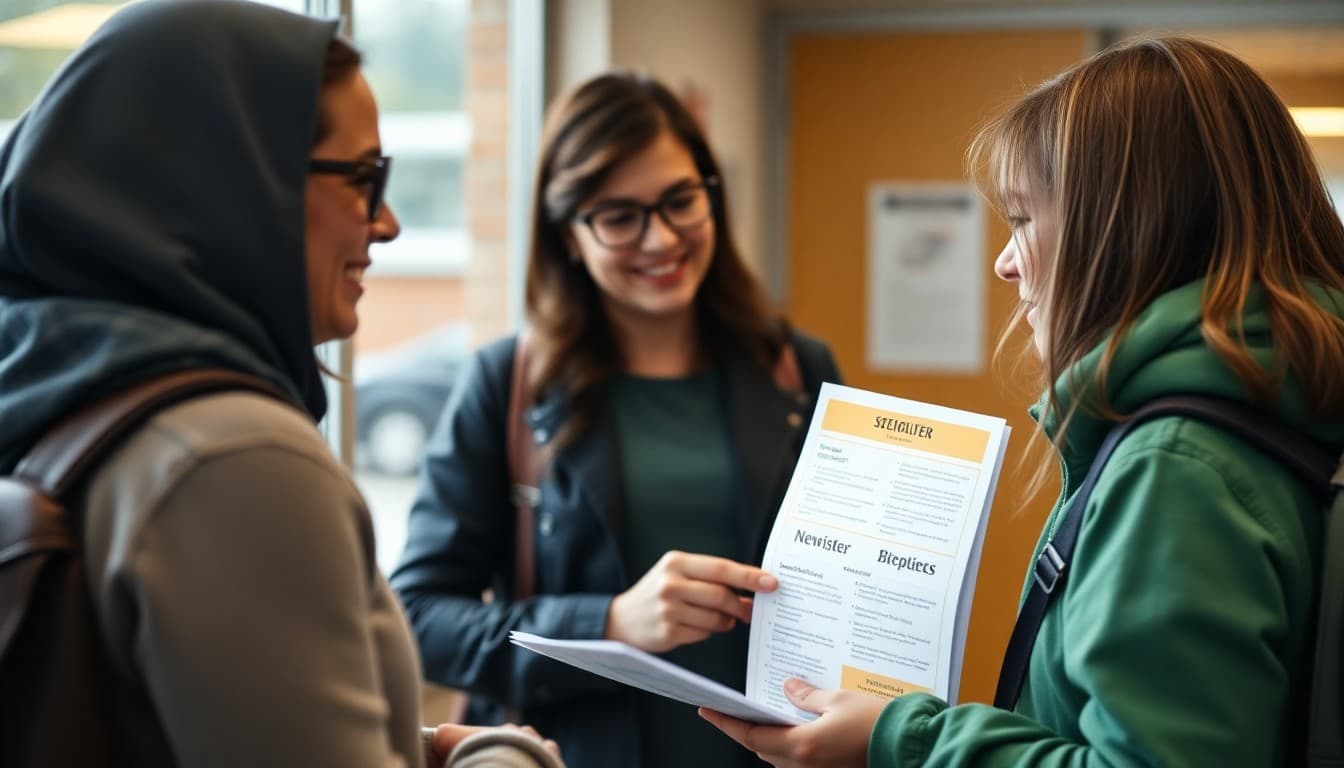
Oregon Elementary School Parent Communication Guide

Oregon's elementary schools range from urban Portland campuses with hundreds of families speaking dozens of languages to small one-room schools in high desert communities where the same 20 families have known the teacher for years. What those schools share is a family culture that values communication that is honest, specific, and clearly connected to student experience. This guide covers how to build that kind of communication practice in an Oregon elementary classroom.
Communicate About Air Quality and Wildfire Smoke
Oregon's wildfire season has expanded significantly in recent years, and smoke from fires in the Cascades, Coast Range, and neighboring states regularly affects air quality across the Willamette Valley and beyond. Elementary families need to know in advance how the school responds to poor air quality days: when does outdoor recess move indoors, what air quality index threshold triggers a policy change, and how will families be notified. A clear, calm explanation in your beginning-of-year newsletter, updated in late summer before fire season peaks, prevents a wave of anxious calls when the first smoke advisory hits.
Address Earthquake and Tsunami Preparedness
Oregon sits along the Cascadia Subduction Zone, one of the most seismically active fault systems in North America. Coastal Oregon communities face potential tsunami risk following a major earthquake. Elementary families benefit from knowing that schools practice earthquake and tsunami drills, what the shelter and evacuation protocol involves, and how they will be reunited with their children following an emergency. Including a brief, factual section on earthquake preparedness in your beginning-of-year communication is both a safety measure and a trust-building gesture.
Cover Oregon Assessment Windows Clearly
Oregon students in grades 3 through 5 take Smarter Balanced Assessments in English language arts and math each spring. Parents need advance notice about the testing window, attendance expectations, and what the assessments measure. Oregon families tend to respond well to honest communication about what standardized tests can and cannot tell us about a child. A newsletter that acknowledges the limitations of testing while explaining why attendance during the window matters strikes the right tone for most Oregon communities.
A Template Newsletter Section for OR Families
Here is a template that fits Oregon's communication culture:
"Hello [CLASS] families. Here is what is happening in our classroom this week: [ACADEMIC FOCUS]. Coming up: [2-3 EVENTS]. One way to connect at home: [SPECIFIC ACTIVITY OR CONVERSATION STARTER]. Reminders: [TESTING, AIR QUALITY, OR POLICY NOTE]. How to reach me: [CONTACT]. Thank you for being such engaged partners in your child's education."
Oregon families appreciate a conversational, genuine tone. Avoid overly formal language or policy-heavy text. Brief, warm, and specific works well.
Support Multilingual Families Across the State
Spanish-speaking families in the Treasure Valley, Willamette Valley, and coastal communities represent a significant portion of Oregon's elementary school enrollment. Portland's diverse immigrant communities bring additional language needs including Somali, Vietnamese, Russian, and many others. Oregon's commitment to culturally responsive education, codified in state equity policies, means that multilingual communication is not just good practice but an expected standard. Working with your district's translation resources to provide bilingual key sections in your newsletter is both practical and aligned with your school's values.
Connect Communication to Oregon's Environmental Culture
Oregon has a strong environmental education culture, and many elementary schools incorporate outdoor learning, school gardens, and nature-based activities. Highlighting these experiences in your newsletter, describing what the class observed on an outdoor learning walk or how the garden is growing, connects families to the full educational experience rather than just the academic content. Oregon parents in particular tend to value communication that reflects the breadth of their child's learning environment.
Account for Rain and Weather in Your Communication
Western Oregon's rainy season runs from October through May, and families need to know early in the year how the school handles outdoor activities in wet weather, what clothing children should have at school, and whether there are covered outdoor spaces for breaks. These are small practical details, but getting them into a beginning-of-year newsletter prevents repeated individual questions and signals that you are thinking ahead about the day-to-day realities of school life in the Pacific Northwest.
Send Every Week, Even When It Is Short
Oregon families, like families everywhere, build habits around consistent communication. A teacher who sends a newsletter every Monday morning creates an expectation. Families start looking for it. When the newsletter arrives reliably, the occasional brief one during a testing week or a field trip week is forgiven without a second thought. Daystage makes the consistent weekly rhythm sustainable by reducing the time it takes to produce a professional newsletter so it fits into even a Monday morning before the bell rings.
Get one newsletter idea every week.
Free. For teachers. No spam.
Frequently asked questions
What are the best ways to communicate with parents at Oregon elementary schools?
Oregon elementary school families in the Portland metro, Salem, and Eugene areas expect digital communication via email and app. Rural communities in eastern Oregon, the coast, and southern Oregon may have limited broadband access and rely more on text messaging and printed notices. Across the state, Oregon families tend to respond well to transparent, values-forward communication that explains the why behind school policies and academic decisions, not just the what.
What state-specific events or topics should Oregon elementary newsletters cover?
Oregon elementary newsletters should address Oregon Assessment of Knowledge and Skills (OAKS) and Smarter Balanced assessment windows, wildfire smoke and air quality policies for outdoor activity, earthquake and tsunami preparedness for coastal communities, and culturally responsive education requirements under Oregon's statewide equity initiatives. Schools in the Portland metro should also communicate about district equity and inclusion events and family engagement opportunities.
How do Oregon elementary schools handle multilingual parent communication?
Oregon has significant Spanish-speaking populations in the Willamette Valley, Portland metro, and agricultural communities in the Treasure Valley. Portland also has Somali, Vietnamese, Russian, and many other immigrant communities. Oregon law requires meaningful language access for families with limited English, and many districts maintain translated document libraries. Elementary teachers can meaningfully support this by providing bilingual versions of key newsletter sections and using district translation services for important communications.
What communication tools work best for reaching Oregon elementary families?
In Portland, Salem, and Bend, digital communication platforms work well for most families. In rural communities in eastern Oregon and along the coast, broadband access is less reliable. Many Oregon districts use ParentSquare or similar communication platforms, but teachers often supplement with class-level newsletters that provide more personal and specific information. Oregon families in general appreciate communication that feels direct and genuine rather than corporate or bureaucratic.
What tool do Oregon elementary school teachers use to send professional newsletters?
Daystage is used by elementary teachers in Oregon to build and send polished school newsletters quickly. Teachers can create weekly class updates, include photos and event information, and send to family email addresses without needing design skills. For Oregon teachers who care about communication quality but have limited prep time, it makes professional-looking newsletters achievable consistently.

Adi Ackerman
Author
Adi Ackerman is a former classroom teacher and curriculum writer with 8 years in K-8 schools. She writes about school communication, parent engagement, and what actually works in real classrooms.
More for Elementary
Ready to send your first newsletter?
3 newsletters free. No credit card. First one ready in under 5 minutes.
Get started free