

May School Librarian Newsletter: What to Communicate This Month
May is the busiest month in the school library calendar. Books need to come back, summer reading programs need promotion, and you want to send families into summer with a genuine love of reading. A focused May librarian newsletter ties all of this together in one place.
Start With the Book Return Deadline
The single most important thing in your May newsletter is the book return deadline. State it clearly at the top: the date, what happens with overdue books, and whether there are fines. Parents need this information early enough to actually search the car, the backpack, and under the bed. A simple line like "All library books must be returned by May 22" does more work than a paragraph of explanation.
Highlight What Students Read This Year
May is a natural moment to celebrate. Share a few reading stats: total books checked out, the most popular series by grade, or a reading milestone your school hit. If third graders collectively checked out 1,200 books this year, say that. Families love seeing their children as part of a reading community, and it gives the newsletter a positive tone before the logistical reminders.
Promote the Summer Reading Program
Whether your school runs its own program or partners with the public library, May is the time to get families registered. Include the sign-up link, the start date, and one sentence about what students can earn or win. For younger students, emphasize fun. For older students, mention any school recognition tied to participation in the fall.
Share a Template Opening Section
Here is a template opening you can adapt for your own May newsletter:
"May in the library means two things: celebrating all the reading we did together this year and getting ready for summer. Before we close the books on 2025-2026, here are a few things to take care of and some exciting news about summer reading."
From there, add your specific dates and program details. This opening sets a warm tone while moving quickly to the practical information families need.
Remind Families About Public Library Cards
A school newsletter is a good place to remind families that a public library card is free. Many families do not know their child can get their own card, or they assume it requires a fee. One sentence pointing families to the local public library branch for summer card registration can make a real difference in how much students read over break.
Include One Photo or Visual
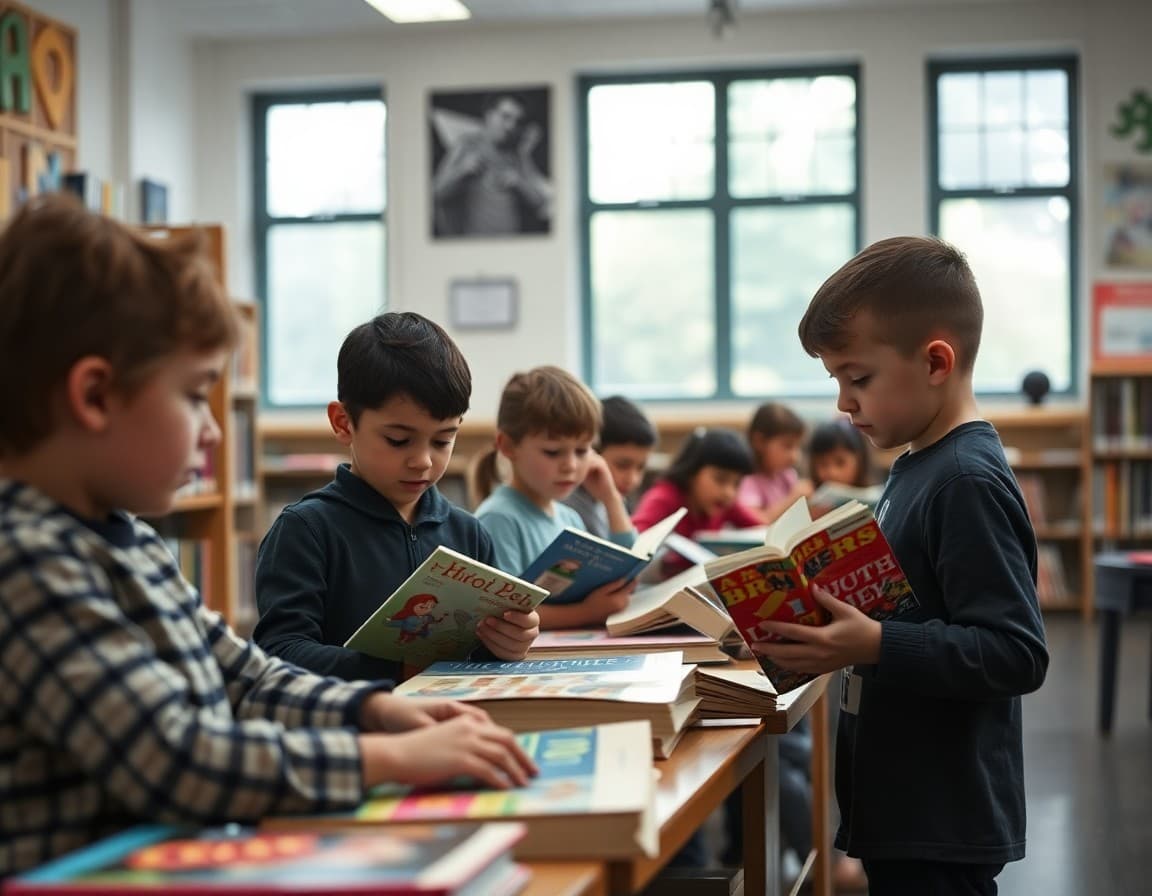
A photo of the reading corner, a student-built book display, or a stack of the month's most popular titles adds warmth without adding words. If you have photos of students at the library, check your school's photo permission policy before including them. A book-only photo is always safe and still effective.
Thank Families and Volunteers
If families volunteered to shelve books, run the book fair, or donate to the library this year, May is the time to acknowledge them. A short thank-you section takes three sentences and builds goodwill for next year. It also signals to other families that volunteer help is welcomed and appreciated.
Close With a Summer Reading Recommendation
End the newsletter with two or three book recommendations by age range. These do not need to be new titles. Classics that families can find at any public library work perfectly. A short note like "Ask your librarian at the public library for the first book in the Magic Tree House series" gives families a concrete next step instead of a vague encouragement to read this summer.
Get one newsletter idea every week.
Free. For teachers. No spam.
Frequently asked questions
What should a school librarian include in a May newsletter?
A May librarian newsletter should cover end-of-year book return deadlines, summer reading program sign-ups, any author visits or book fairs wrapping up, and highlights of what students read this year. It is also a good time to celebrate reading milestones and remind families about library card registration at the public library for summer.
How long should a library newsletter be?
Keep it to 300-400 words for the body content. Parents are busy, especially in May with end-of-year events. Use short sections with clear headings. A single visual like a photo of the reading corner or a book display keeps it engaging without adding length.
When is the best time to send a May library newsletter?
Send it during the first week of May so families have time to act on book return reminders and summer reading sign-up information. A follow-up reminder in the third week of May helps with overdue books before the end of the school year.
How can a librarian personalize the newsletter for different grade levels?
You can add a short grade-level section at the bottom noting which genres or series each grade explored that month. Kindergarteners finishing alphabet books, third graders completing a mystery series, or fifth graders wrapping up a nonfiction research unit all make for specific, relatable details that resonate with families.
What tool makes it easy for school librarians to send a polished May newsletter?
Daystage is built for exactly this kind of school communication. Librarians can create a branded newsletter with sections for book returns, summer reading, and reading highlights, then send it directly to families by class or grade. No design experience needed, and it looks great on any device.

Adi Ackerman
Author
Adi Ackerman is a former classroom teacher and curriculum writer with 8 years in K-8 schools. She writes about school communication, parent engagement, and what actually works in real classrooms.
More for Elementary
Ready to send your first newsletter?
3 newsletters free. No credit card. First one ready in under 5 minutes.
Get started free