

Elementary School Newsletter Guide for Kansas Teachers
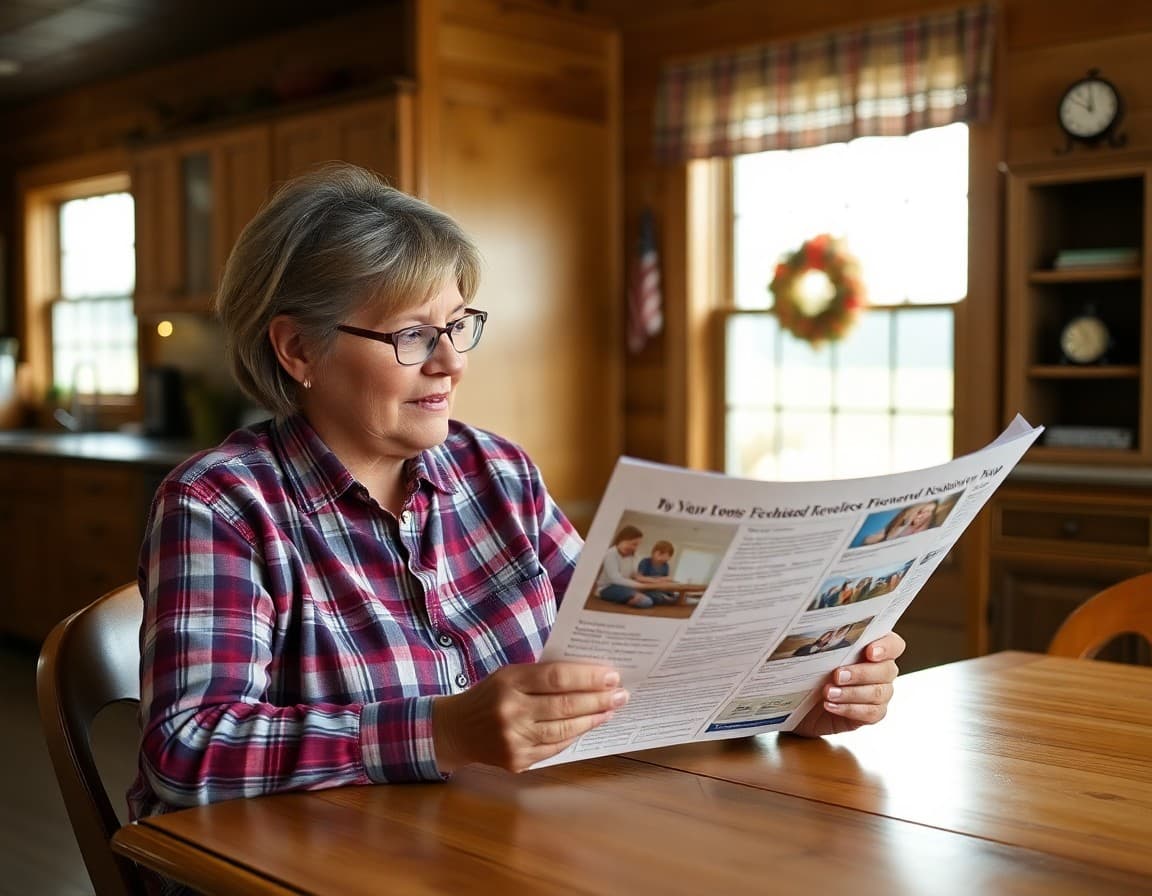
Kansas sits at the geographic center of tornado alley and at the cultural intersection of America's wheat belt and some of its most rapidly diversifying small cities. Garden City, Liberal, and Dodge City have elementary schools that serve majority Hispanic student populations. The Kansas City metro is growing and diversifying. Rural wheat and cattle communities maintain deep agricultural traditions. Effective elementary newsletter communication in Kansas means addressing tornado season with appropriate directness, building bilingual systems where the community needs them, and staying connected to the specific rhythms of each community. This guide covers all three.
Tornado Season Communication Is Not Optional in Kansas
Kansas sits in the center of tornado alley, and spring tornado season from April through June is a genuine annual concern for every Kansas family with children in school. A beginning-of-year newsletter that explains the school's shelter-in-place protocol, which notification system the school uses for weather emergencies, what the procedure is for students already on buses when a tornado warning is issued, and how families are reunited with their children after a weather event, provides information that is both genuinely useful and genuinely used. Update this section in late March before the spring peak.
Build Bilingual Communication for Western Kansas Communities
Garden City, Liberal, Dodge City, Hugoton, and the other beef processing communities of southwestern Kansas have some of the most diverse small-city school populations in the country. Many elementary schools in these communities have student populations that are majority Hispanic or Latino, with families whose primary home language is Spanish. For teachers in these communities, English-only newsletters are not a neutral default; they are a communication failure for the majority of the parent community. Building bilingual newsletters from the first week of school, with full Spanish translations of the most important content, is the baseline communication expectation.
Cover Kansas Assessment Testing Early
Kansas Assessment Program tests in English language arts, math, and science run in the spring for grades 3 through 5. A newsletter in late February or early March explaining the testing calendar, attendance expectations, and how scores are used prepares families before the testing window opens. Kansas has reading proficiency requirements that affect grade promotion, and K-2 families who understand the benchmarks early engage with literacy support proactively rather than encountering a retention decision as a surprise in third grade.
A Template Newsletter Section for KS Families
Here is a practical template for Kansas elementary teachers:
"Hello [CLASS] families. This week we are working on [ACADEMIC FOCUS]. Coming up: [2-3 KEY DATES]. One thing to try at home: [SPECIFIC TIP]. Tornado season reminder: [IF RELEVANT]. KAP testing note: [IF APPROACHING]. How to reach me: [CONTACT]. Thank you for your continued partnership."
For western Kansas schools with significant Spanish-speaking families, follow this with a full Spanish translation. In communities where Spanish is the majority home language, the Spanish section is not a supplement; it is the primary communication channel for many families.
Respect the Wheat and Cattle Calendar
Kansas wheat harvest in June and the cattle industry's year-round rhythms shape family life in agricultural communities across the state. Scheduling parent events, conferences, and volunteer opportunities with awareness of the harvest calendar signals that you understand and respect the lives your families live. A brief note in your May newsletter acknowledging that many families are preparing for wheat harvest in June, and that the end-of-year events are scheduled to avoid the most intense harvest period, is the kind of community awareness that builds trust with farm families.
Connect to Kansas's Prairie and Cultural Identity
Kansas has a strong state identity built around the prairie landscape, sunflowers, the Wizard of Oz, and deep agricultural heritage. Newsletters that acknowledge this identity, particularly in science units about the prairie ecosystem, social studies lessons about Kansas history, or end-of-year acknowledgments of the sunflower fields that bloom in August, make the communication feel locally grounded. Families in Wichita, Salina, and Lawrence have different local cultures from those in Garden City and Liberal, and newsletters that feel specific to the actual community rather than generically Midwestern are more trusted and more read.
Support Kansas City's Growing Diversity
The Kansas side of the Kansas City metro, including Overland Park, Olathe, Shawnee, and the urban core of KCK (Kansas City, Kansas), has a growing and diverse population. Kansas City, Kansas in particular has significant Hispanic, Somali, Vietnamese, and other multilingual communities in its elementary schools. KCK Unified School District serves one of the most diverse student populations in the state. Teachers in these communities should work with district resources to provide bilingual and multilingual communication for the most significant non-English language groups in their schools.
Build Consistent Communication Through Tornado Season and Beyond
Kansas elementary teachers who maintain consistent weekly newsletters through tornado season, testing season, and the long stretch from January to May build parent communities that are more engaged and more trusting than those where communication is sporadic. Daystage helps Kansas teachers maintain that consistency by making the newsletter production process fast enough to happen every week, even during the busiest and most weather-disrupted parts of the Kansas school year.
Get one newsletter idea every week.
Free. For teachers. No spam.
Frequently asked questions
What should a Kansas elementary school newsletter include?
Kansas elementary school newsletters should cover Kansas Assessment Program testing windows in the spring for grades 3 through 5, tornado and severe weather protocols (Kansas sits in tornado alley), agricultural calendar considerations for farming communities, and bilingual communication for Kansas's growing Hispanic and Latino communities in Garden City, Liberal, Dodge City, and the Kansas City metro.
How do Kansas elementary teachers handle bilingual communication?
Western Kansas communities like Garden City, Liberal, Dodge City, and Hugoton have large and well-established Hispanic and Latino communities connected to the beef packing industry. Many elementary schools in these communities serve majority Hispanic student populations. Spanish-language newsletters and translated key communications are both a practical necessity and an important equity measure in these communities. The Kansas City metro's growing multilingual population also benefits from bilingual communication.
How should Kansas elementary newsletters address tornado season?
Kansas is at the heart of tornado alley, and spring severe weather season is a significant concern for all Kansas elementary families. A beginning-of-year newsletter that explains the school's shelter-in-place protocol, how weather emergencies are communicated, and how early dismissal works during tornado warnings, prepares families before the April-June tornado season peak. This is one of the highest-priority communication items for any Kansas elementary teacher.
What testing windows do Kansas elementary newsletters need to address?
Kansas elementary students in grades 3 through 5 take Kansas Assessment Program tests in English language arts, math, and science in the spring. A newsletter in March explaining the testing calendar, attendance expectations, and how results are used gives families adequate preparation. Kansas also has reading proficiency requirements that affect grade promotion, and K-2 families benefit from understanding these benchmarks before their child reaches third grade.
What tool do Kansas elementary teachers use to send professional newsletters?
Daystage is used by elementary teachers in Kansas to create and send polished bilingual newsletters to families quickly. Teachers can build English-Spanish weekly updates with classroom photos, event reminders, and curriculum content and send them directly to family emails. For Kansas teachers in diverse western Kansas communities, it makes consistent bilingual communication achievable without significant additional time.

Adi Ackerman
Author
Adi Ackerman is a former classroom teacher and curriculum writer with 8 years in K-8 schools. She writes about school communication, parent engagement, and what actually works in real classrooms.
More for Elementary
Ready to send your first newsletter?
3 newsletters free. No credit card. First one ready in under 5 minutes.
Get started free