

Elementary School Newsletter Guide for Iowa Teachers
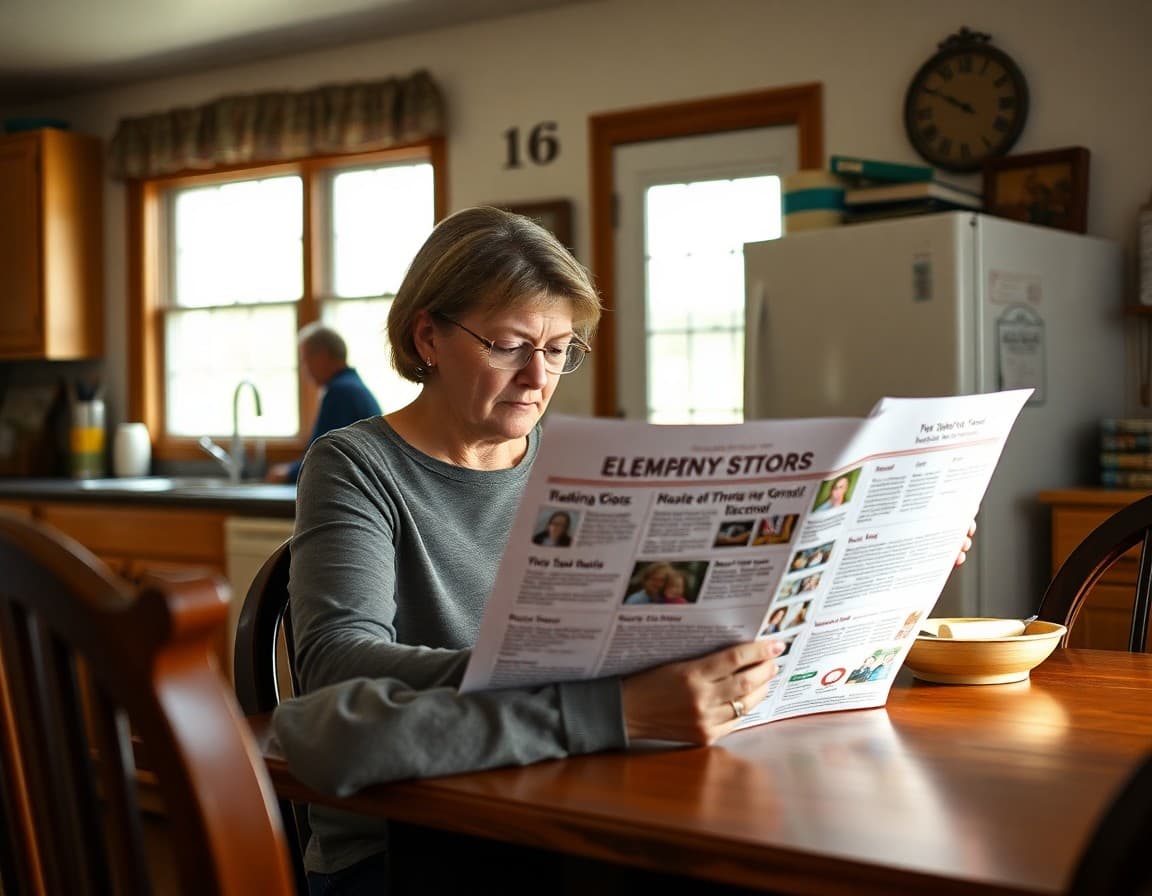
Iowa is one of America's most agricultural states, with deep farming roots and a school calendar shaped by the corn and soybean harvest. At the same time, Iowa's meatpacking and food processing communities have become some of the most rapidly diversifying school communities in the Midwest. Storm Lake, Marshalltown, Columbus Junction, and Postville have some of the most diverse student populations in the country relative to their size. Effective elementary newsletter communication in Iowa means serving both the traditional farming community and the new immigrant communities that are reshaping Iowa's school landscape.
Acknowledge the Agricultural Calendar
Iowa's farming families operate on a calendar that shapes availability, energy, and scheduling in ways that urban teachers rarely encounter. Fall harvest season in September and October can mean that farm families have limited bandwidth for school events, parent conferences, and volunteer commitments. Spring planting season in April and May overlaps with testing windows and end-of-year events. Acknowledging this reality in your newsletter, and being flexible about scheduling when possible, builds the kind of respect that makes farm families more willing to engage with school when their schedule allows.
Build Bilingual Communication for Meatpacking Corridor Schools
The communities of Storm Lake, Marshalltown, Columbus Junction, Postville, and Ottumwa have elementary schools where Spanish is often the most common home language. In some schools, more than half of enrolled students come from Spanish-speaking households. For teachers in these communities, English-only newsletters exclude the majority of the parent community. Building bilingual newsletters from the start of the year, with Spanish translations of at minimum the key dates, testing reminders, and safety information, is both a practical strategy and a basic equity measure for these communities.
Address ISASP Testing Proactively
Iowa's Statewide Assessment of Student Progress runs in the spring for grades 3 through 5 in English language arts and math. A newsletter in late February or early March that explains the testing calendar, attendance expectations, and how ISASP results are used prepares families before the testing window opens. Iowa has reading proficiency requirements that affect grade-level promotion, and K-2 families benefit from understanding these benchmarks well before their child reaches the third-grade decision point.
A Template Newsletter Section for IA Families
Here is a practical template for Iowa elementary teachers:
"Hello [CLASS] families. Here is what we are working on this week: [ACADEMIC FOCUS]. Coming up: [2-3 KEY DATES]. One thing to try at home: [SPECIFIC TIP]. Severe weather reminder: [IF APPROACHING SEASON]. ISASP testing note: [IF RELEVANT]. How to reach me: [CONTACT]. Thank you for your partnership."
For schools with significant Spanish-speaking families, add a Spanish translation of the key information. This is particularly important for testing and emergency communication content.
Handle Tornado and Severe Weather Communication
Iowa sits squarely in tornado alley, and spring storm season is a genuine concern for elementary families across the state. A beginning-of-year newsletter that explains the school's shelter-in-place protocol, how families are notified during weather emergencies, and how early dismissal works during tornado watches and warnings, prepares families before the first spring storm. This information should be refreshed in March when severe weather season begins. Families who are new to Iowa are particularly in need of this communication, as tornado season is not a universal experience.
Connect to Iowa's Strong School Community Culture
Iowa has a strong tradition of community investment in public schools. School events, athletic programs, and community nights draw strong family participation in many Iowa communities. Newsletters that build anticipation for these events, acknowledge the school's traditions and community history, and recognize family and community contributions to the school, tap into the genuine community pride that surrounds Iowa schools. A newsletter that feels locally rooted, mentioning the FFA chapter, the school garden, or the upcoming harvest festival, builds more connection than generic content.
Support Storm Lake and Postville's Extraordinary Diversity
Storm Lake, Iowa, has been called one of the most diverse communities in the United States relative to its size, with students from Laos, Mexico, Central America, Sudan, Ethiopia, and many other countries. Postville gained national attention for its diverse immigrant community built around a kosher meatpacking plant. These communities require multilingual communication strategies that go beyond Spanish and English to include Lao, Amharic, and other languages. Working with community liaisons, refugee resettlement agencies, and district resources is essential for teachers in these communities.
Build Consistent Communication Through Iowa's Four Seasons
Iowa has genuinely distinct seasons, and the school year moves through all of them. The autumn harvest energy, the long gray winter, the uncertain spring, and the brief but beautiful May give each part of the school year its own character. Newsletters that acknowledge that character, connecting classroom content to the season and the community events that surround it, feel alive rather than routine. Daystage helps Iowa teachers maintain that kind of consistent, seasonally grounded communication every week without it becoming a burden.
Get one newsletter idea every week.
Free. For teachers. No spam.
Frequently asked questions
What should an Iowa elementary school newsletter include?
Iowa elementary school newsletters should cover Iowa Statewide Assessment of Student Progress (ISASP) testing windows in the spring for grades 3 through 5, severe weather and tornado protocols for spring storm season, agricultural calendar considerations for farming communities, and bilingual communication for Iowa's growing Hispanic and Latino communities in Marshalltown, Columbus Junction, Postville, and the meatpacking corridor communities.
How do Iowa elementary teachers handle multilingual communication?
Iowa has seen significant growth in its Hispanic and Latino population, particularly in communities connected to the meatpacking and food processing industry, including Marshalltown, Storm Lake, Columbus Junction, Postville, and Ottumwa. Some of these communities have student populations that are majority Hispanic or Latino. Spanish-language newsletters and translated key communications are both a practical engagement strategy and an equity imperative in these communities.
How should Iowa elementary newsletters address severe weather?
Iowa has significant tornado risk, particularly in the spring. The state sits in tornado alley, and spring storm season runs from April through June. Elementary newsletters should explain the school's severe weather protocol, how families are notified of weather emergencies, and how early dismissal works during severe weather events. A beginning-of-year section on weather communication, refreshed in March before tornado season, ensures families are prepared.
What testing windows do Iowa elementary newsletters need to address?
Iowa elementary students in grades 3 through 5 take ISASP assessments in English language arts and math in the spring. A newsletter in late February or March explaining the testing calendar, attendance expectations, and how results are used prepares families adequately. Iowa also has reading proficiency expectations that affect promotion decisions, and K-2 families benefit from understanding these benchmarks early.
What tool do Iowa elementary teachers use to send professional newsletters?
Daystage is used by elementary teachers in Iowa to create and send polished newsletters to families without design skills. Teachers can build bilingual weekly updates with photos, event reminders, and curriculum content and send them to family emails. For Iowa teachers in diverse meatpacking corridor communities, it makes consistent bilingual communication achievable without significant additional time investment.

Adi Ackerman
Author
Adi Ackerman is a former classroom teacher and curriculum writer with 8 years in K-8 schools. She writes about school communication, parent engagement, and what actually works in real classrooms.
More for Elementary
Ready to send your first newsletter?
3 newsletters free. No credit card. First one ready in under 5 minutes.
Get started free