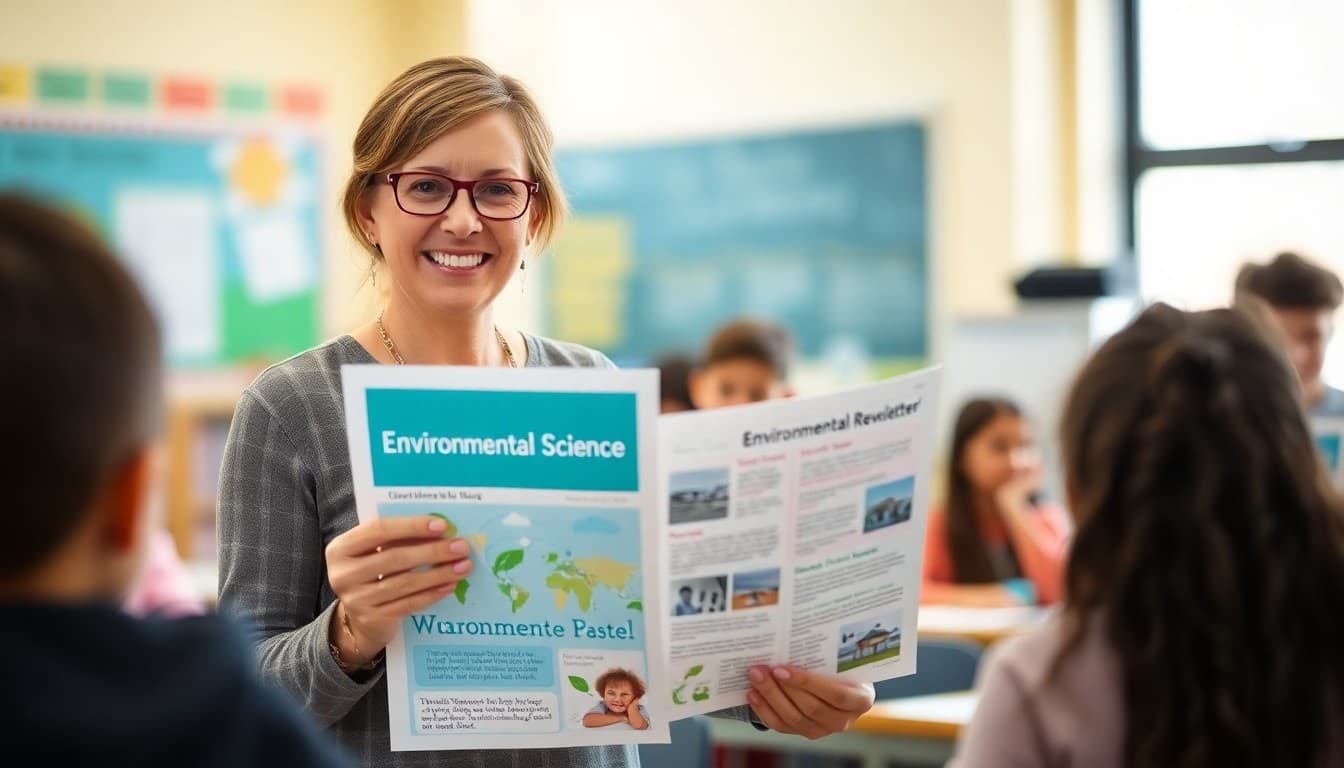
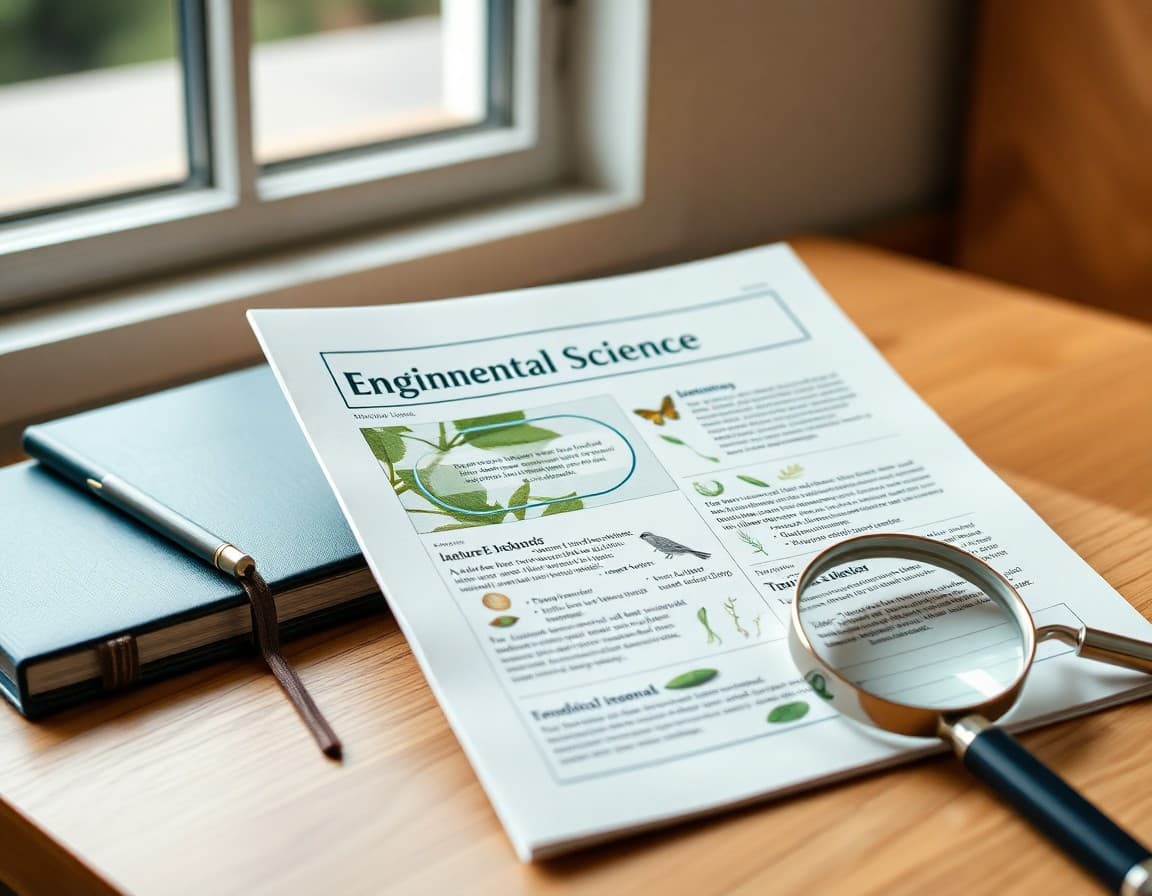
Environmental Science Beginning of Year Newsletter: Elementary Guide
Environmental science is one of the few school subjects that parents and students can explore together anywhere, anytime. A walk to school, a weekend in the park, or ten minutes in the backyard are all environmental science opportunities. Your beginning of year newsletter introduces families to that idea and invites them to start exploring before the first unit even begins.
What Environmental Science Means at the Elementary Level
The first newsletter is a good place to clarify what environmental science actually involves at this grade level, since parents may have different associations with the term. Elementary environmental science is observation-based and curiosity-driven. Students learn to ask questions about the natural world, notice what's happening in different habitats, understand basic ecological relationships, and develop the habit of looking carefully at the living things around them.
It's also inherently local. The tree in the schoolyard, the birds at the feeder, the insects under a rock: these are the primary subjects. That locality is what makes the subject so accessible for home reinforcement.
What the Year Looks Like
Give parents a brief unit map. For a typical elementary environmental science year:
"Here's our curriculum arc: we'll start with Living and Nonliving Things, helping students develop precise language for the natural world. From there, we'll move into Habitats and Ecosystems, exploring how different environments support different life. In winter, we'll study Weather and Seasons and connect weather patterns to what we observe in nature. In spring, we'll work on Plants and Their Needs, including a hands-on growing project. We'll close the year with a unit on Animals and Adaptation that brings together everything we've learned."
Template Excerpt: Welcome and Approach
"Welcome to [Grade] Environmental Science. I'm [name], and this year we're going to spend a lot of time outside and asking questions about the natural world.
Environmental science at this age is built on observation and curiosity. The primary tools are your student's eyes, ears, and questions. We'll use the schoolyard, local park, and classroom investigations to explore how living things survive in different environments, how weather affects our world, and how all the pieces of an ecosystem fit together.
The best preparation for this class? Go outside regularly and notice things. What's living in your backyard or neighborhood park? What's changed since last week? Your student's observations at home will enrich what we do together in class."
Inviting Families Into the Science From Day One
Give parents one or two things to do before the first full unit begins. Go outside and find one living thing and one nonliving thing. Write down three questions your student has about something they see in nature. Start a simple observation log where students draw one outdoor thing each day. These activities prime students for the observation habits the course builds and signal that science happens everywhere, not just in school.
Managing the Messiness Expectation
Environmental science sometimes means students come home with muddy shoes, full pockets, or questions about animals that don't have easy answers. A brief note in the first newsletter that prepares parents for this adds a touch of humor and sets realistic expectations: "Environmental scientists are curious, observant, and occasionally muddy. Expect all three."
Communication Throughout the Year
Close with your communication plan for the year. Tell parents when they'll hear from you, what each newsletter will include, and the best way to reach you with questions or observations from home. Some of the best environmental science curriculum comes from things students notice at home and bring to school. Telling parents their student's observations are welcome in the classroom builds that feedback loop from the first send.
Get one newsletter idea every week.
Free. For teachers. No spam.
Frequently asked questions
What should an elementary environmental science beginning of year newsletter include?
Cover four things: your introduction and enthusiasm for the subject, a brief overview of the year's curriculum (units and themes), why environmental science is important and age-appropriate for elementary students, and two or three simple ways families can start exploring the natural world at home right now. Keep it warm, visual, and under 300 words.
How do I build parent excitement for environmental science at the start of the year?
Lead with the outdoor, hands-on nature of the subject. Elementary parents know their students love being outside and exploring, and environmental science is built on exactly that curiosity. A newsletter that says 'we'll spend a lot of this year observing, exploring, and asking questions about the natural world around us' generates more excitement than one that lists learning standards.
Should the first newsletter mention field trips or outdoor learning activities?
Yes, if you have them planned. Elementary parents appreciate knowing that science learning extends beyond the classroom, and mentioning upcoming field trips or outdoor observation walks in the first newsletter builds anticipation and demonstrates that the subject is active and engaging.
How do I orient parents to the observation-based approach of elementary environmental science?
Explain that the primary tools of this course are their student's eyes, ears, and curiosity. Parents who understand that the best environmental science happens through careful observation can support that approach at home without needing any scientific expertise themselves. 'Your student's job this year is to notice things' is a framing that resonates and that parents can support easily.
How does Daystage help environmental science teachers communicate with families?
Daystage makes it easy to send your beginning of year newsletter to all families at once, save the template for future unit newsletters, and maintain a consistent communication presence throughout the year. For an observation-based subject like environmental science, being able to quickly send home activity suggestions tied to current unit content is especially valuable.

Adi Ackerman
Author
Adi Ackerman is a former classroom teacher and curriculum writer with 8 years in K-8 schools. She writes about school communication, parent engagement, and what actually works in real classrooms.
More for Elementary
Ready to send your first newsletter?
3 newsletters free. No credit card. First one ready in under 5 minutes.
Get started free