
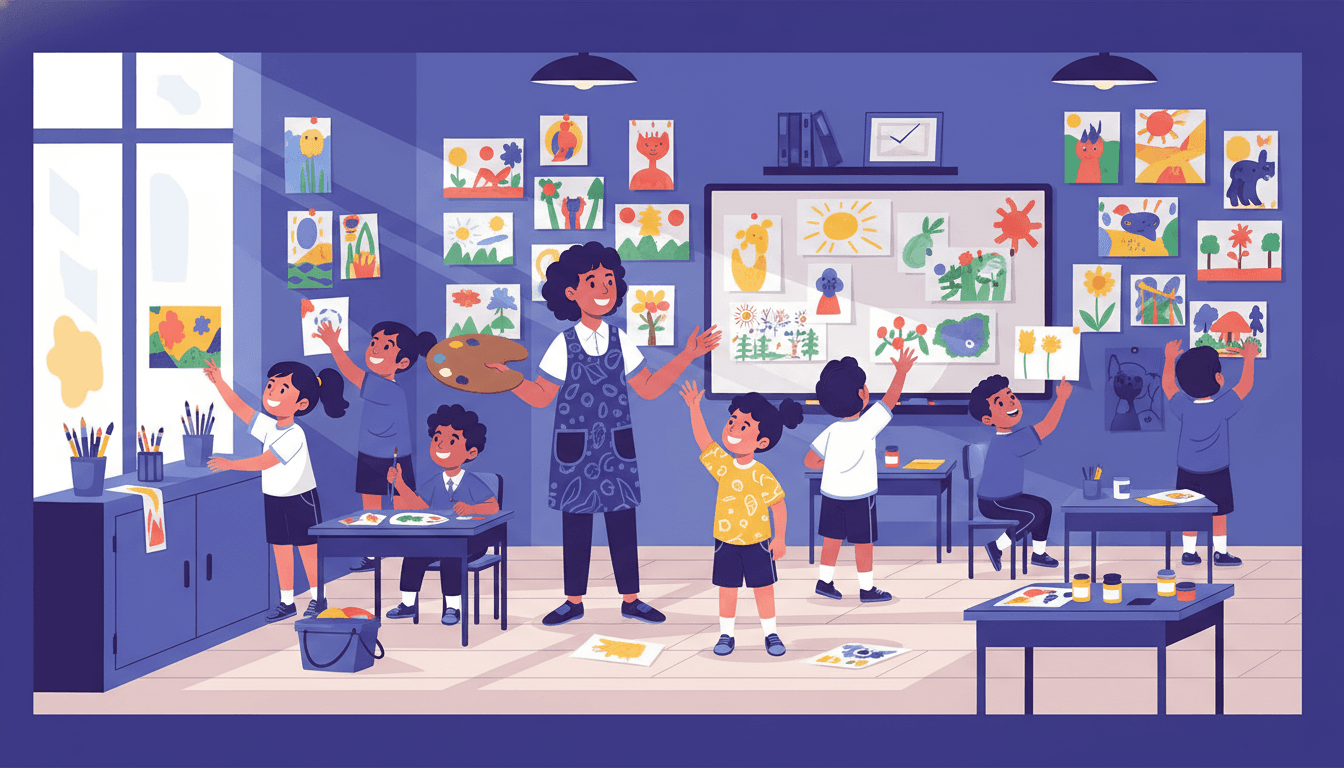
Elementary Art Teacher Newsletter: How to Share Visual Learning With Families
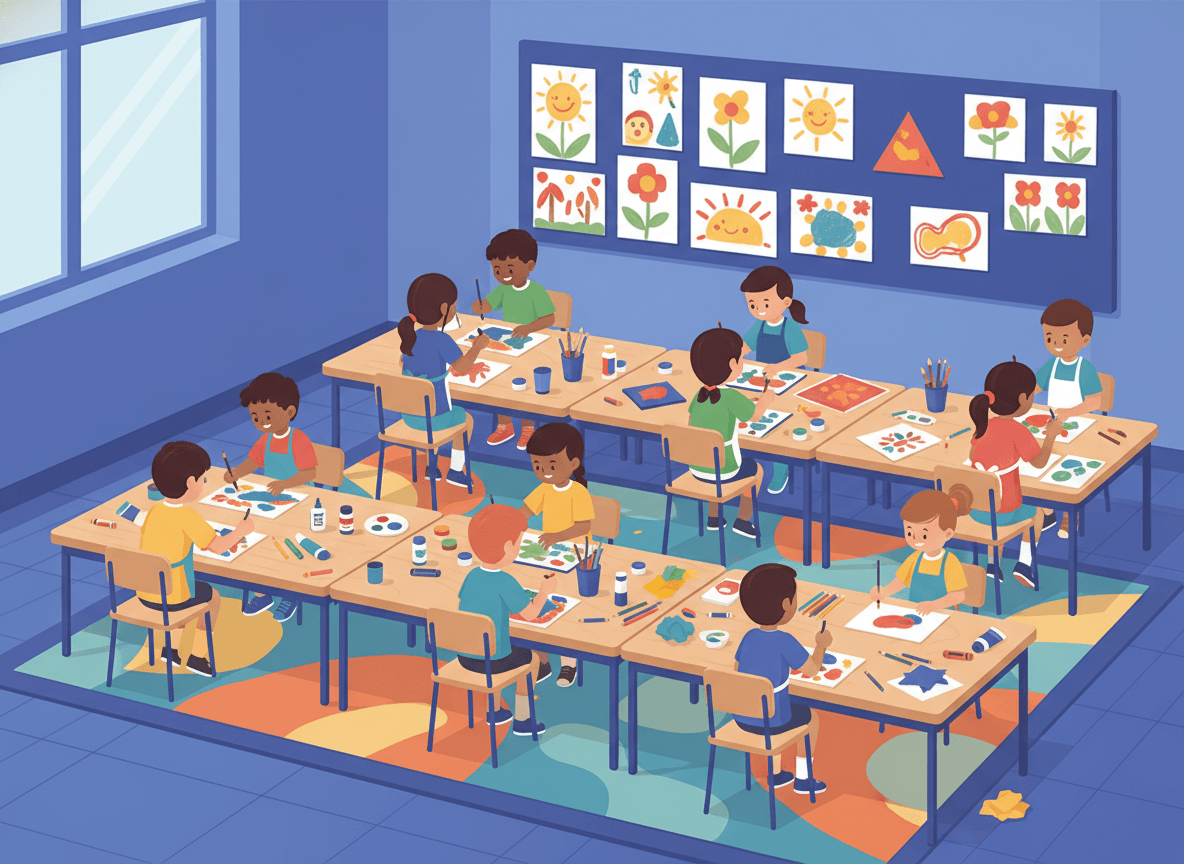
Art teachers face a communication challenge that classroom teachers do not. Most families assume they know what happens in art class: kids draw and paint. They often do not realize that art instruction involves deliberate skill development, art history, critical thinking, and creative problem-solving. A newsletter is one of the best ways to change that.
Here is how to write an elementary art newsletter that helps families see what visual learning actually is.
Name the skill, not just the project
The most common art newsletter mistake is describing the project without explaining the skill. "Students are making collages" is a description. "Students are learning to create visual contrast by placing complementary colors next to each other. We are using collage materials because cutting and arranging shapes lets students experiment with composition without committing to a final placement right away" is communication about learning.
Families who understand the skill behind the project see the work differently when it comes home. Instead of "that's nice, honey," they can say "I can see where you used contrast here. What made you choose those colors next to each other?"
Art history and artist connections
If you are studying an artist, movement, or cultural tradition, name it in the newsletter. Give families a sentence about who the artist was or what the movement was about, without the art history lecture. "We are looking at the work of Faith Ringgold this week. She was an African American artist and activist who created story quilts, combining narrative, pattern, and color to tell stories about community and identity. Students are creating their own narrative artwork inspired by her approach."
That context gives families something to look up if they are curious and makes the connection between art and history or literature visible.
What to say when art skills connect to academic skills
Art develops skills that transfer across the curriculum: spatial reasoning, pattern recognition, sustained attention, creative problem-solving, perspective-taking. Families do not always see these connections without being told.
A brief note about cross-curricular connections in the newsletter builds the case for art as an academic priority. "The observational drawing work we have been doing this unit builds the same careful attention skills that students need for scientific observation in their classroom. Slowing down to really look at an object before drawing it is practice in noticing details that goes well beyond art class."
Share photos of student work in progress
Art newsletters are one of the rare cases where images are not just nice to have, they are the point. A photo of students mid-process, or a gallery of work from different students at different stages, shows families what the learning looks like in ways that text cannot.
Photos of work in progress are often more interesting than photos of finished pieces, because they show students thinking. A student wrestling with how to mix the right shade of green, a student who has tried three different compositions before finding one they like, a student teaching a classmate a cutting technique. These moments make the newsletter come alive.
Daystage makes it easy to include photos in your newsletter without reformatting the entire layout. Upload an image, place it in the right section, preview how it looks in email, and send.
Upcoming art show or gallery information
If your school hosts a student art show or displays work in hallways, the newsletter is the right place to share dates and details. Give families specific information about where the work will be displayed and how long it will be up. Families who know their child's work is on display are far more likely to come see it.
A few weeks before an art show, dedicate a full newsletter to previewing what families will see and explaining the unit that produced the work. This context transforms a hallway walk-through into a real conversation about what their child made and why.
How art class is structured: what families do not know
Most families have no idea how art class is structured. They assume it is free-form creative time. They do not know that you have standards to teach, unit plans to follow, and assessments to conduct. Explaining your structure once, in an early-year newsletter, shifts how families perceive the art program.
"Our art units follow a consistent structure: we look at examples of the skill or style we are learning, discuss what makes it effective, practice foundational techniques, and then create original work applying those techniques. Students also have time to reflect on their process and revise their work. It looks different from classroom learning, but the intellectual process is the same."
What an art newsletter builds over time
Art teachers who communicate consistently through newsletters become visible in the school community in a way that specialist teachers often are not. Families who receive regular updates about what their child is creating in art class look forward to the finished pieces coming home. They talk about art at dinner. They visit the art show.
That visibility matters when budget conversations happen and when scheduling decisions are made about specials. Families who know what their child learns in art class are advocates for the program. A newsletter is how you build that understanding.
Get one newsletter idea every week.
Free. For teachers. No spam.
Frequently asked questions
When should elementary art teachers send a newsletter to families?
Send your first art newsletter within the first two weeks of school, then monthly throughout the year. Monthly is the right cadence for a specialist teacher: frequent enough to build a habit, manageable enough to sustain all year.
What should an elementary art teacher newsletter include for families?
Cover the specific skill behind the current project, the artist or movement students are studying, and any cross-curricular connections to classroom subjects like science or history. Families who understand what visual learning involves become genuine advocates for the art program.
How long should an elementary art newsletter be?
300 to 400 words is the right length for an art newsletter. Families read it in two minutes. Keep each section to three to five sentences and use clear headers so families can scan for what interests them most.
What are common mistakes elementary art teachers make when writing newsletters for parents?
The most common mistake is describing the project without naming the skill. Telling families students are making collages says nothing about what they are learning. Name the concept, the technique, and the reason it matters academically.
Is there a tool that makes it easy for art teachers to send newsletters with photos?
Daystage was built for exactly this use case. Upload photos from class, place them in the right section, preview how they look in email, and send, all without reformatting the layout from scratch each time.

Adi Ackerman
Author
Adi Ackerman is a former classroom teacher and curriculum writer with 8 years in K-8 schools. She writes about school communication, parent engagement, and what actually works in real classrooms.
More for Elementary
Ready to send your first newsletter?
3 newsletters free. No credit card. First one ready in under 5 minutes.
Get started free