

Elementary School Parent Newsletter: School Morning Routine Tips
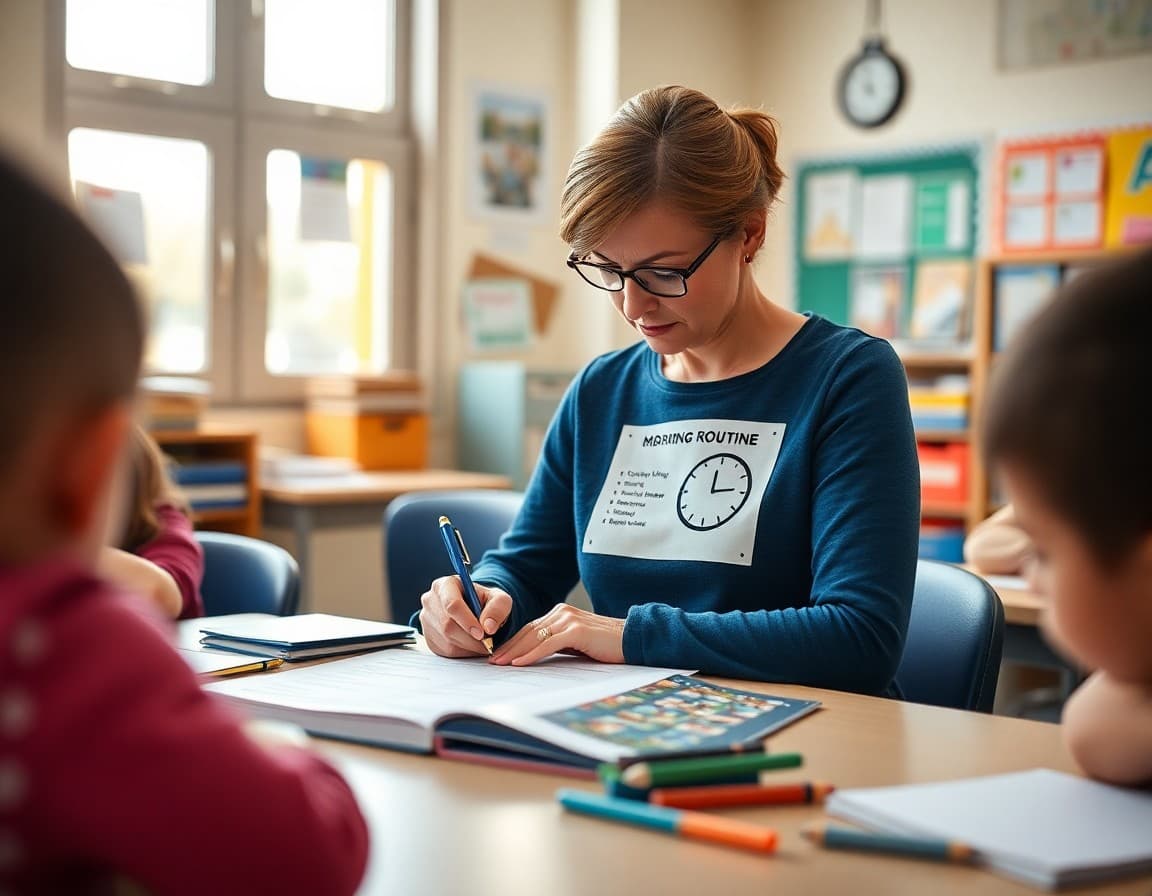
Mornings are one of the highest-stress moments in family life with an elementary-age child. The combination of time pressure, limited child autonomy, and the tendency for small problems to cascade into major delays makes school morning routines a genuine challenge for most families. A well-written morning routine newsletter does not judge families for the chaos; it gives them the practical tools to reduce it. Here is how to write that newsletter.
Start with Why Morning Arrival Matters
Families are much more motivated to improve morning routines when they understand what is at stake. A newsletter that explains specifically what students experience in the first 15 minutes of school, the morning meeting, the daily check-in, the academic warm-up, and the social settling time, and how arriving on time gives children access to all of that, provides a concrete reason for the extra effort morning prep requires. A late arrival does not just mean a seat in class; it means missing the transitions that prepare children for learning.
Provide a Sample Morning Schedule Worked Backward
The most useful piece of content in a morning routine newsletter is a concrete timeline worked backward from school arrival time. If school starts at 8:00 AM and the walk takes 10 minutes, the family needs to leave by 7:50. That means out the door is 7:50, breakfast finished by 7:35, dressed and ready by 7:20, up by 7:00 to allow for a 20-minute buffer. Most families have not done this math explicitly, and the resulting timeline is often a surprise. Do the math for them. That single practical element can change a family's morning immediately.
Promote the Night-Before Preparation Strategy
The single highest-impact change most elementary families can make to their mornings is preparation the night before. Backpack packed and by the door. Clothes laid out or chosen. Lunch made or money set aside. Permission slips signed and returned. Library books gathered. Each of these small tasks takes about 60 seconds the night before and saves two to five minutes of frantic searching the next morning. A newsletter that presents this as a five-minute night routine that transforms morning stress gives families a specific, achievable action to take this week.
A Template Morning Routine Newsletter Section
Here is a template for a back-to-school morning routine newsletter section:
"A smooth school morning starts the night before. Five minutes before bed, try: backpack packed and by the door, clothes laid out, lunch made or money ready. In the morning, a simple visual checklist your child can follow independently frees you from the reminding cycle. Our arrival window is [TIME]. Children who arrive by [START TIME] catch morning meeting and the full opening routine, which makes a real difference in how their day starts. If mornings are consistently difficult, please reach out. I have a few other strategies that have worked for families in this class."
Give Kids Ownership of the Morning Routine
One of the most effective morning routine strategies is transferring ownership from parent to child. A visual checklist, created with the child, that lives on the refrigerator or bedroom door gives an elementary school student the independence to manage their own preparation. Checking items off a list is intrinsically motivating for many children. Families who stop being the alarm, the reminder, and the organizer, and instead let the checklist carry that role, report significantly less morning conflict. Include a brief note about how to create this kind of checklist in your newsletter.
Address Common Morning Disruptions Specifically
The most common morning disruptions in elementary families are: lost items that were not packed the night before, clothing disagreements, difficulty waking up, wanting to finish a screen activity, and a child who refuses to eat breakfast under time pressure. A newsletter that anticipates these disruptions and provides a specific response for each is more useful than general advice. "For clothing disagreements, let your child choose between two pre-approved options the night before. The morning battle is almost always about control, not the shirt." That kind of specific, actionable tip is what families take from newsletters and actually use.
Acknowledge That Some Mornings Will Fail
No morning routine is crisis-proof. The day the child spills breakfast on their clothes, cannot find their shoe, or melts down about something unrelated to school is going to happen. A newsletter that acknowledges this, and that gives families a one-sentence recovery plan, is more realistic and more trusted. "When it all falls apart despite the best routine, send a quick note with your child and I will get them settled. One rough morning does not undo a good routine." That framing keeps families from feeling like they have failed when the inevitable bad morning arrives.
Send This in Late August Before the Year Starts
Morning routine newsletters are most effective when sent before the school year begins, giving families the chance to build a new routine from day one rather than trying to change an established pattern in October. A pre-school-year email or a first-week newsletter that includes the morning routine section reaches families at the exact moment they are thinking about how the year will work. Daystage makes it simple to build and send this kind of anticipatory communication before the first day of school, when families are most receptive to routine advice.
Get one newsletter idea every week.
Free. For teachers. No spam.
Frequently asked questions
What should an elementary school newsletter about morning routines include?
A morning routine newsletter should describe what on-time arrival actually makes possible for students, provide a concrete sample morning schedule working backward from arrival time, give specific tips for reducing morning conflict, address the most common morning disruptions (lost backpacks, forgotten lunches, clothing disagreements), and offer strategies for the days when everything goes wrong. Specific, practical content is what families actually use.
How do you write a morning routine newsletter without blaming parents for late arrivals?
Framing is everything. A newsletter that presents morning routine support as practical help for families rather than a response to tardiness problems lands very differently. Lead with the impact: children who arrive in the first five minutes of school benefit significantly from the morning meeting, the routine check-in, and the transition time. Present morning preparation strategies as tools that reduce family stress, not as corrections for failures. Families who feel supported rather than criticized are more likely to implement changes.
What are the most effective morning routine strategies for elementary families?
The strategies with the most consistent positive impact are: preparing everything the night before (backpack packed, clothes laid out, lunch made), establishing a consistent wake time seven days a week, having a visual morning checklist the child can follow independently, keeping breakfast simple and consistent, and building a small buffer of 10-15 minutes so unexpected delays do not cascade into late arrivals. These strategies require minimal effort to implement but significantly reduce morning conflict.
How does on-time arrival affect elementary student learning?
Morning arrival timing has a measurable impact on learning. Students who arrive in the first few minutes of the school day benefit from morning meeting, opening routines, and the social settling-in time that prepares them for instructional time. Children who arrive late miss these transitions and often spend the first 20-30 minutes of instruction re-orienting rather than learning. Communicating this connection to families, without alarm, gives them a concrete motivation for the extra effort morning prep requires.
What tool do elementary teachers use to send morning routine newsletters to families?
Daystage is used by K-5 teachers to send polished parent newsletters on practical topics like morning routines directly to family emails. Teachers can include a sample morning schedule, a visual checklist reference, and school-specific context in one clean newsletter that families actually read and use. It saves the formatting time so the newsletter goes out in August or September rather than waiting until October when morning patterns are already set.

Adi Ackerman
Author
Adi Ackerman is a former classroom teacher and curriculum writer with 8 years in K-8 schools. She writes about school communication, parent engagement, and what actually works in real classrooms.
More for Elementary
Ready to send your first newsletter?
3 newsletters free. No credit card. First one ready in under 5 minutes.
Get started free