
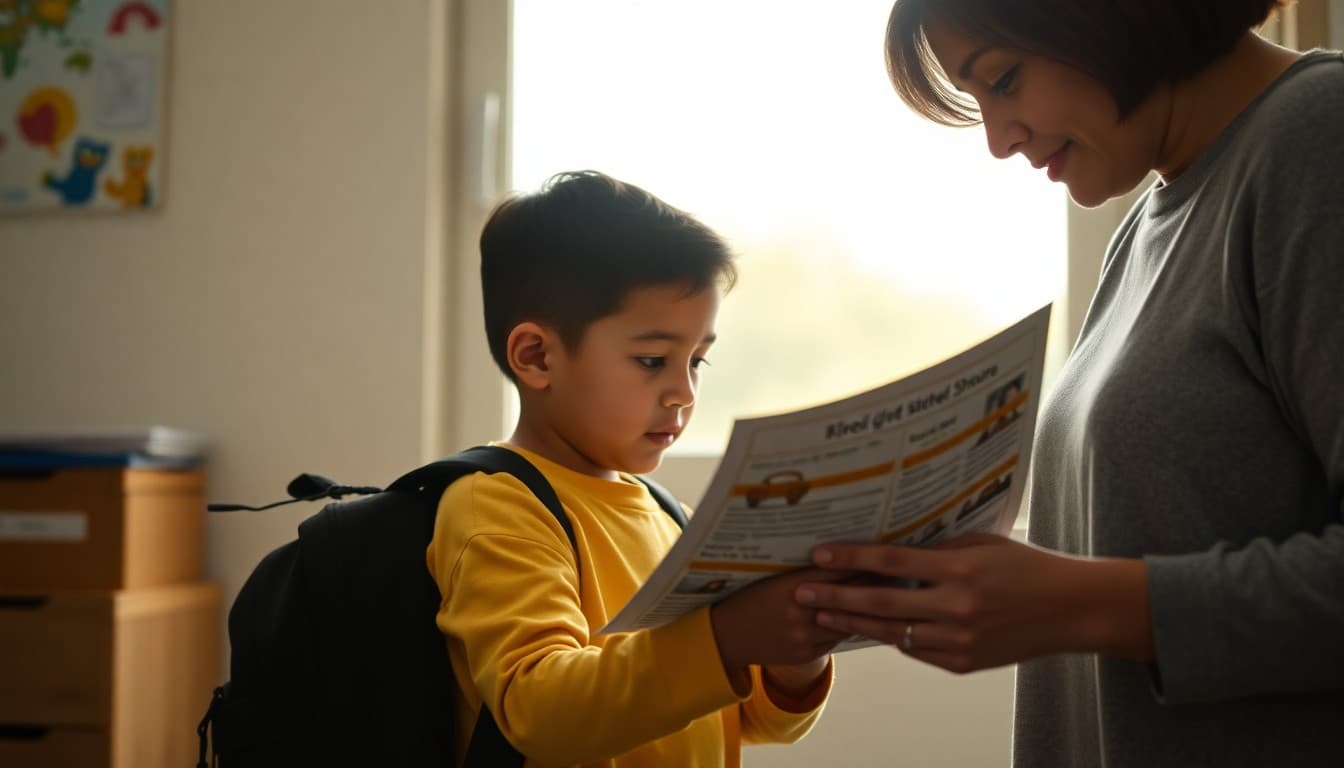
Elementary School Parent Newsletter: After School Routine Tips
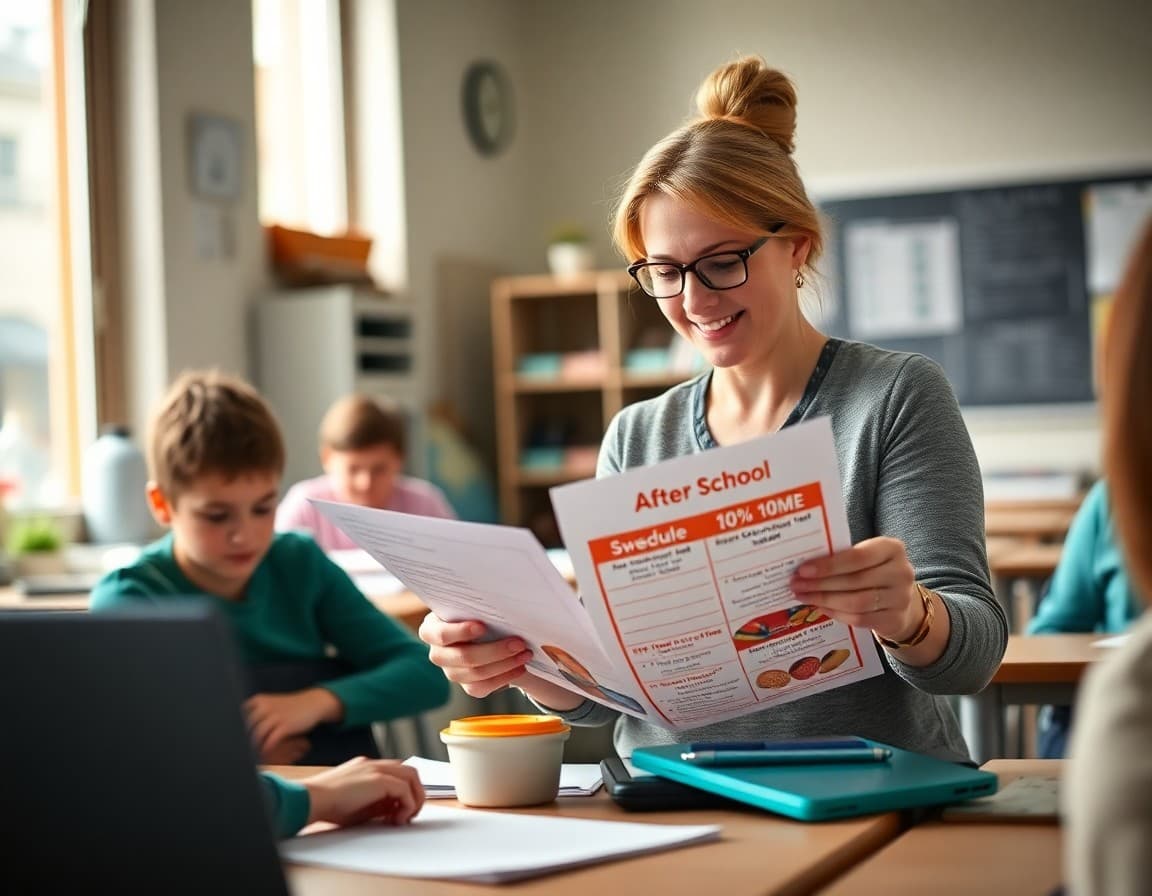
Most of a child's school success is shaped by what happens in the hours after school, not the hours during it. The after school period is when academic skills are practiced and consolidated, when reading habits are built, and when the emotional state of the school day gets processed and reset. A well-written after school routine newsletter gives families a practical framework for those hours rather than leaving them unstructured and potentially counterproductive. Here is how to write it effectively.
Acknowledge the Transition from School to Home
Elementary children experience significant neurological and emotional transitions when they move from the structured school environment to home. Many children show what parents describe as after-school crabbiness, meltdowns over small things, or unusual quietness in the first 20 minutes after arrival. This is a normal response to cognitive and social depletion from the school day. A newsletter that explains this transition, and that recommends a brief unstructured decompression period before homework or structured activities, validates what families are already observing and gives them a framework for responding to it effectively.
Suggest a Snack Before Homework
Blood sugar drops after a school lunch that was eaten at 11 AM affect focus, patience, and emotional regulation by 3 or 4 PM. A snack before homework is not a luxury; it is a practical support for cognitive function. A newsletter that makes this connection explicit, and that suggests specific snack options that support sustained focus (protein and complex carbohydrates rather than high-sugar snacks that cause an energy spike followed by a crash), gives families a concrete tool for improving the homework session. "A cheese stick and an apple before homework beats a granola bar and juice for sustained focus" is exactly the kind of specific, actionable guidance that gets implemented.
Recommend Unstructured Play Before Structured Tasks
Twenty to thirty minutes of unstructured outdoor play or free imaginative play after school, before homework begins, has significant positive effects on focus, creativity, and academic engagement. The body needs movement after six to seven hours of mostly sedentary school time. A newsletter that advocates for protected unstructured play time before afternoon homework is both developmentally accurate and counter to the increasing tendency to over-schedule children's afternoons. Many families find this permission to allow free play before homework actually reduces homework resistance significantly.
A Template After School Routine Newsletter Section
Here is a template for an after school routine newsletter section:
"After school routines: Most children benefit from arriving home, having a real snack (protein and carbs), and having 20-30 minutes of unstructured play or quiet time before starting homework. Try building your afternoon schedule around this sequence: [ARRIVAL TIME] arrive home, snack, unstructured time; [HOMEWORK START TIME] homework; [DINNER TIME] dinner and evening family time. A consistent after-school schedule, even an imperfect one, tends to reduce both homework battles and bedtime battles. One effective conversation starter for the car or walk home: 'What was one thing you figured out today?'"
Give Families Conversation Starters
The after school conversation between a parent and child is one of the most powerful learning tools available to families, and most parents squander it by asking "how was school?" and getting "fine" in response. A newsletter that provides three or four specific conversation starters, questions that actually invite elaboration, gives families a concrete tool they can use today. "What made you laugh today?", "What is something you are working on in [SUBJECT] right now?", "Did anything confuse you today?" These questions open actual conversations about learning and help children process and consolidate the school day's experiences.
Address the Working Parent Afternoon Gap
Many elementary students are in after school care until 5 or 6 PM because both parents work. The after school routine for these families looks very different from the ideal described above. A newsletter that acknowledges this reality, and that offers adaptations, such as using after school care homework time effectively, maintaining a reading habit in the car, or having a brief check-in conversation over dinner, serves these families better than a template that assumes a parent is home at 3 PM. Every family can find something useful in after-school routine guidance; the key is making the content applicable to diverse family structures.
Connect After School Habits to Classroom Performance
Teachers see the results of after school habits every morning. Children who read every afternoon arrive with broader vocabulary and deeper background knowledge. Children who watch three hours of TV and do not sleep until 10 PM arrive tired and unfocused. A newsletter that makes this connection visible, not as a judgment but as a practical observation, gives families a concrete link between their afternoon choices and their child's classroom experience. "Children who read for 20 minutes each day, even independently, show measurably better reading growth than those who do not. That 20 minutes is the most academically productive thing most families can add to the afternoon routine."
Send This in September When Routines Are Being Set
After school routine newsletters are most effective when sent early in the school year, before family patterns have calcified. A first-week or second-week newsletter that addresses after school routines reaches families at the moment they are most open to building new habits. Daystage makes it easy to include this kind of practical family support newsletter in your early-year communication plan without it requiring significant production time.
Get one newsletter idea every week.
Free. For teachers. No spam.
Frequently asked questions
What should an elementary school newsletter about after school routines include?
An after school routine newsletter should cover the transition period from school to home, suggest when to schedule homework versus unstructured time, address snack timing and its impact on focus, explain why a decompression period after school benefits most children before starting academic tasks, and offer a sample routine that parents can adapt. Practical and specific content wins over general encouragement.
When should elementary students do homework: right after school or after a break?
Most elementary students benefit from 20 to 30 minutes of unstructured downtime or a snack break after school before starting homework. The school day requires significant sustained cognitive effort, and the after-school decompression period allows the brain to recover before re-engaging with academic tasks. Children who go directly from school to homework often take longer to complete assignments because they cannot focus as effectively. The exception is children who lose momentum entirely after a break; for them, starting homework immediately with a snack at hand often works better.
How do you help families who have children in after school care write consistent routines?
After school care and working parent schedules mean that many families cannot implement the ideal after-school routine. A newsletter that acknowledges this and offers adaptations, including what homework pickup looks like after after-school care, how to maintain reading habits on busy evenings, and how to make the short window between after-school pickup and dinner meaningful, serves these families better than one that assumes a stay-at-home parent scenario.
What conversation can parents have with their child after school to support learning?
The most effective post-school conversation is not 'how was your day?' but more specific questions: 'What was the most interesting thing that happened today?', 'What is something you figured out today that you did not know before?', or 'What are you working on in [SUBJECT] right now?' These questions signal genuine interest in the learning rather than just oversight, and they help children process and consolidate what they experienced during the school day.
What tool do elementary teachers use to send after school routine newsletters to families?
Daystage is used by K-5 teachers to send polished parent newsletters on practical topics like after school routines. Teachers can combine a sample schedule, conversation starters, and homework guidance in one clean newsletter sent to family emails. For teachers who want to build family partnerships around the hours after school, it makes consistent and professional communication achievable without significant additional time investment.

Adi Ackerman
Author
Adi Ackerman is a former classroom teacher and curriculum writer with 8 years in K-8 schools. She writes about school communication, parent engagement, and what actually works in real classrooms.
More for Elementary
Ready to send your first newsletter?
3 newsletters free. No credit card. First one ready in under 5 minutes.
Get started free