
Civics: How Parents Can Help With Subject at Home Elementary Guide
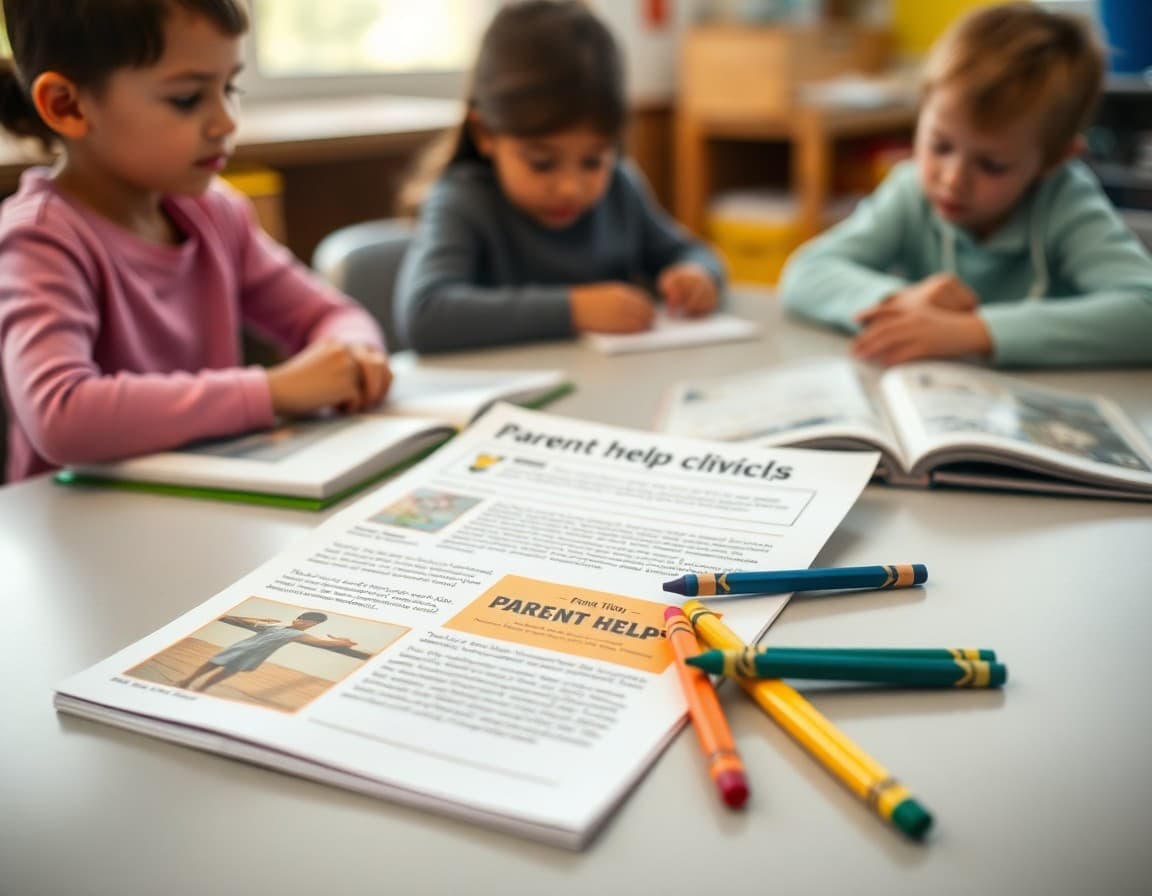
Civics might be the subject most naturally embedded in everyday life. Every walk through the neighborhood, every trip to the grocery store, every family dinner conversation about how decisions get made is a civics lesson waiting to happen. Your parent help newsletter turns that potential into reality by giving families specific prompts and activities that connect to what you're teaching right now.
Why Civics Benefits So Much From Home Reinforcement
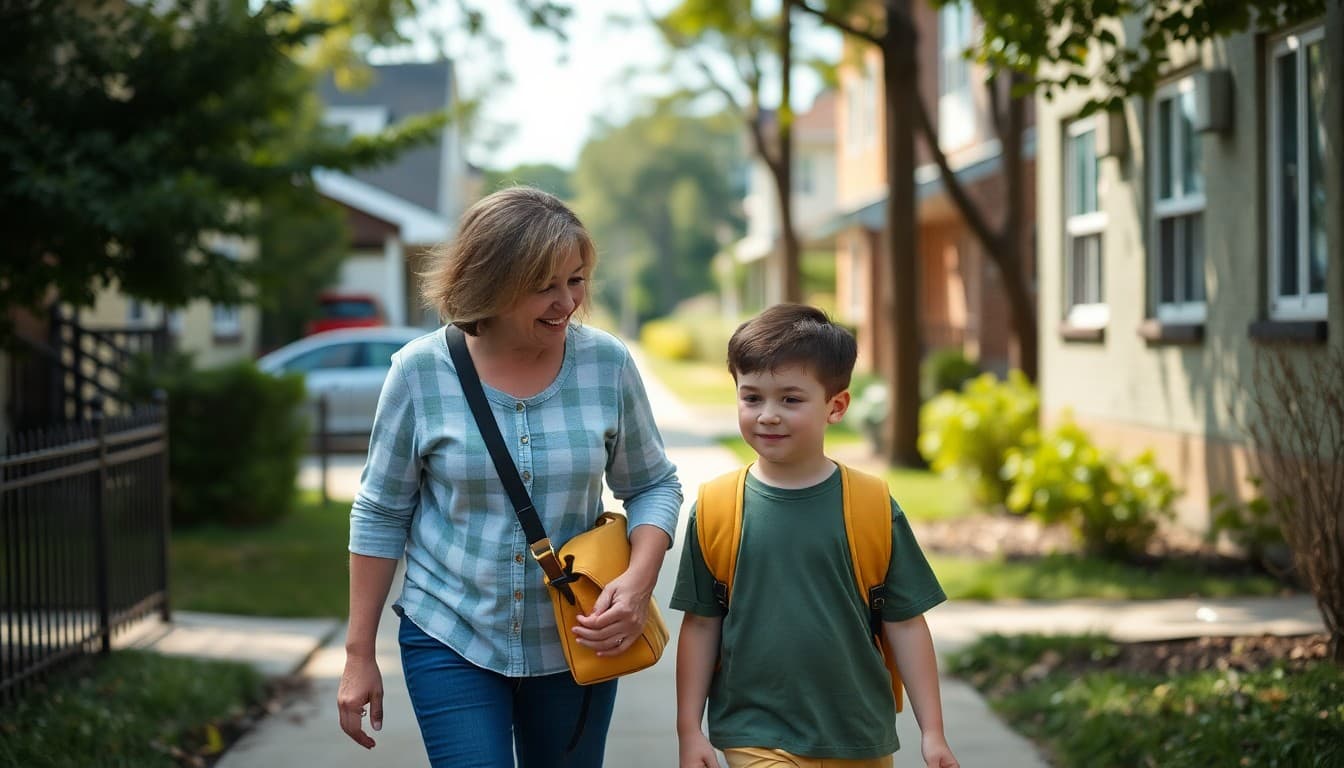
Classroom civics teaches concepts. Home and community life provide the evidence. A student who learns that community helpers serve important roles in school and then identifies the mail carrier, crossing guard, and sanitation worker on the walk home sees the concept in action in a way no classroom exercise can replicate.
At the elementary level, students are also forming their basic understanding of how communities work. The conversations families have about rules, fairness, and community responsibility in these early years shape civic attitudes that persist into adulthood.
What to Include in the Parent Help Newsletter
Structure the newsletter around three components: a brief description of the current unit in plain language, why this concept matters for young children specifically, and two to three specific home activities with enough detail to actually do them. Keep the whole newsletter to 200 to 300 words. One message per newsletter: what we're learning and here's how to reinforce it.
Template Excerpt: Community Helpers Unit
"This week we're exploring community helpers: the people whose jobs keep our community running safely and smoothly. Students are learning what different helpers do, why communities need them, and how their work connects to each of our daily lives.
At home, try one of these: (1) On your next walk or errand, point out any community helper you see (mail carrier, crossing guard, sanitation worker, firefighter station, police car) and ask your student what that person's job is and why it matters. (2) Ask your student: 'If there were no garbage collectors for one month, what would happen?' Let them think it through. (3) Ask your student to name one community helper they'd like to be someday and explain why. The answer is usually surprising and interesting."
Real-World Civic Observation Activities
Elementary students are concrete thinkers, which means the best civic learning activities involve observing real things. Your newsletter can suggest a range of accessible observation activities that most families can do without any special effort:
Notice public spaces and discuss why communities maintain them. Who mows the park? Who pays for the library? Who decides when a road gets fixed? These questions are genuinely interesting to elementary students and directly reinforce the civics concepts you're teaching. None of them require special access, materials, or knowledge from the parent.
Connecting to School Community
The school community is a civics laboratory that students are already in. Point this out to parents: "Ask your student to name three school helpers (custodian, nurse, librarian, counselor, principal) and explain what each one does for the school community. Then ask: 'What would happen if we didn't have a school nurse?' These questions apply exactly what we're learning in class to a community your student already knows well."
This type of activity is easy, requires no preparation, and generates rich conversations about concepts students can immediately connect to their own experience.
Books and Media as Support Tools
Elementary civics connects naturally to children's books and age-appropriate media. If you're aware of specific books or shows that reinforce your current unit, mention one or two. Parents appreciate concrete recommendations, and a shared book or episode gives families a natural conversation starter that doesn't require the parent to explain the concept from scratch.
Keep recommendations brief: one or two titles with a one-sentence description of why they connect to the unit is enough. The goal is to provide a resource, not to assign homework.
Get one newsletter idea every week.
Free. For teachers. No spam.
Frequently asked questions
What are the best ways for elementary parents to support civics learning at home?
The most effective support connects classroom concepts to the child's daily environment. Identify community helpers you encounter in real life. Discuss why school rules exist. Watch a local government meeting or school board session together. Talk about what your family does to be good community members. These activities require no special materials and take 5 to 15 minutes.
How do I write a civics parent help newsletter that feels relevant to all families?
Focus on universal community experiences rather than specific political affiliations or institutions. Every family lives in a community with helpers, rules, and shared spaces. Every family makes decisions together. Framing civics around those universal experiences makes the newsletter relevant to families from every background and perspective.
Can civics home support activities be done without any special knowledge?
Yes, completely. Elementary civics home support is about asking questions and noticing things together, not explaining systems or policies. 'Who works in our neighborhood that helps people?' and 'Why do you think our school has a rule about running in the hallways?' are questions any adult can ask without any civic knowledge. The child becomes the expert by explaining what they've learned.
How do I handle parents who feel strongly about political content in civics?
Keep the newsletter focused on community-level civics rather than partisan politics. Elementary civics is about rules, helpers, community decisions, and civic responsibilities, not about party politics or current events. If the topic comes up in questions from parents, you can note that elementary civics focuses on non-partisan community concepts and that the curriculum is designed to apply to families of all backgrounds.
Does Daystage work for sending these newsletters across an entire school?
Daystage works at the classroom level, which is how most teachers use it. Each teacher sends to their own class families. If you want school-wide distribution, your principal or office coordinator can use it too. The platform is designed for any educator who communicates with families regularly.

Adi Ackerman
Author
Adi Ackerman is a former classroom teacher and curriculum writer with 8 years in K-8 schools. She writes about school communication, parent engagement, and what actually works in real classrooms.
More for Elementary
Ready to send your first newsletter?
3 newsletters free. No credit card. First one ready in under 5 minutes.
Get started free