

Elementary School Newsletter Guide for Arizona Teachers
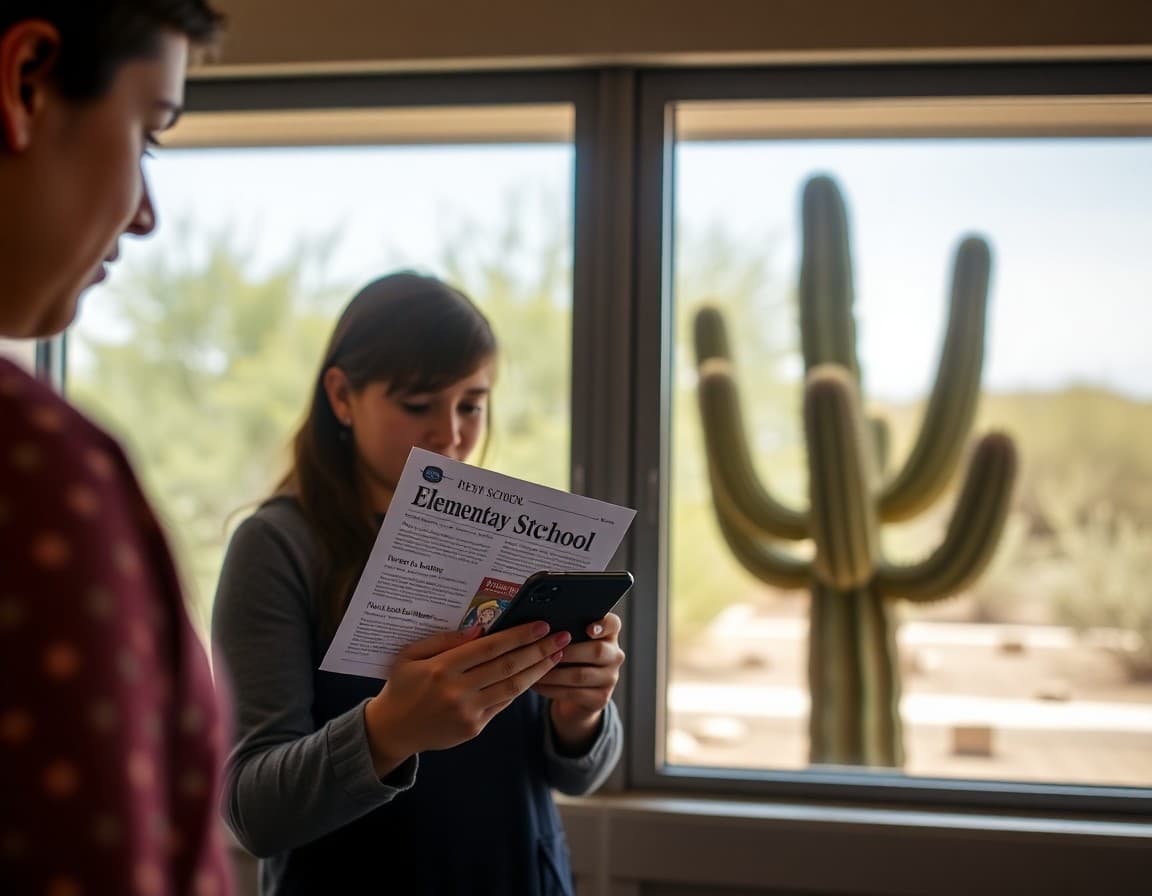
Arizona is one of the fastest-growing states in the country, with elementary schools in the Phoenix metro serving rapid population growth, border community schools navigating cross-cultural family dynamics, rural schools near tribal lands, and Tucson's established and diverse community. Effective newsletter communication for Arizona elementary teachers means addressing the specific environmental, cultural, and policy context that shapes school life in this state. This guide covers what matters most.
Address Extreme Heat in Your Beginning-of-Year Newsletter
Arizona school starts in late July or early August when temperatures regularly exceed 110 degrees. Families new to Arizona, or families returning after a summer, need to know the school's heat policy from day one: when does outdoor recess move inside, what is the temperature threshold, how does the school handle outdoor PE, and what does the water and hydration policy look like. Include a specific reminder about sending a labeled water bottle and wearing light, sun-protective clothing. These are not obvious to families new to the state.
Build Bilingual Communication into the Standard Workflow
Arizona has one of the largest Spanish-speaking student populations in the country, particularly in the Phoenix metro, the Tucson Unified District, and border communities in Yuma and Nogales. For teachers in these areas, English-only newsletters are a partial communication strategy at best. Building a bilingual newsletter, with English and Spanish sections covering at minimum the key dates, testing reminders, and safety information, reflects the actual community being served and significantly increases engagement from Spanish-speaking families. Most Arizona districts have translation resources available for teachers who need support.
Cover AzMERIT and State Testing Proactively
Arizona elementary students in grades 3 through 5 take state assessments in English language arts and math. A newsletter in February or early March that explains the testing calendar, attendance expectations, and what the assessments cover gives families enough lead time to plan. Include a brief, honest explanation of how test scores are used and what they do and do not measure. Arizona families who understand the testing context are more likely to ensure their children are present and appropriately rested during the testing window.
A Template Newsletter Section for AZ Families
Here is a practical template for Arizona elementary teachers:
"Hello [CLASS] families. This week we are working on [ACADEMIC FOCUS]. Coming up: [2-3 KEY DATES]. One thing to try at home: [SPECIFIC TIP]. Heat and weather note: [IF RELEVANT]. Testing reminder: [IF APPLICABLE]. Best way to reach me: [CONTACT INFO]. Thank you for your partnership."
For schools with significant Spanish-speaking families, add a Spanish translation of the key dates and main reminders below the English section.
Acknowledge Arizona's Tribal School Communities
Arizona has 22 federally recognized tribal nations, and schools serving Navajo, Hopi, Tohono O'odham, and other tribal communities have specific cultural communication needs. Newsletters that acknowledge tribal cultural events, note the availability of tribal education resources, and approach Native family communication with cultural awareness build trust that generic newsletters cannot. Work with your school's tribal liaison or family coordinator to understand the specific communication culture and preferences of your school community.
Communicate About Arizona's Third-Grade Reading Requirements
Arizona's Arizona Reading Program requires third-grade students to demonstrate reading proficiency before advancing to fourth grade. Elementary families in K-2 benefit from understanding this requirement early, knowing what reading benchmarks look like at each grade level, and hearing about the support available for children who are working toward proficiency. A newsletter section on reading development in September, with updates throughout the year, gives families the information they need to engage with literacy support proactively.
Prepare Families for Monsoon Season
Arizona's monsoon season runs from June through September, overlapping with the start of the school year. Sudden severe thunderstorms, lightning, and flash flooding can affect afternoon dismissal and outdoor activities with little warning. Families need to know how the school communicates weather-related early dismissal decisions, what the lightning safety protocol looks like, and what to do if they cannot pick up their child before a storm. A brief monsoon communication section in the August or September newsletter prevents the panic that accompanies the first significant monsoon event of the school year.
Build Consistent Communication for a Fast-Growing State
Arizona's fast growth means that many schools receive new students throughout the year as families relocate. A consistent newsletter practice that welcomes new families and explains the communication system builds community continuously, not just at the start of the year. Daystage helps Arizona elementary teachers build that consistency by making newsletter creation fast and professional enough to happen every week, even during the most active periods of student enrollment.
Get one newsletter idea every week.
Free. For teachers. No spam.
Frequently asked questions
What should an Arizona elementary school newsletter include?
Arizona elementary school newsletters should cover AzSCI and AzMERIT testing windows, extreme heat policies for outdoor activities, the trilingual communication needs of communities along the US-Mexico border, school calendar highlights including Native American heritage observances for schools serving tribal communities, and any Arizona Department of Education policy updates affecting K-5 families. Bilingual English-Spanish content is important across much of the state.
How do Arizona elementary teachers handle bilingual newsletter communication?
Arizona has a large Spanish-speaking population, particularly in the Phoenix metro, Tucson, and border communities. Many Arizona elementary schools serve families where Spanish is the primary home language. Providing newsletters in English and Spanish is both a practical communication strategy and an important equity measure. Border communities may also have families who regularly move between Arizona and Mexico, requiring communication sensitivity to cross-border family situations.
How should Arizona elementary newsletters address extreme heat?
Arizona's summer heat affects the start and end of the school year. Newsletters at the beginning of the school year should explain the school's heat policy: when outdoor recess moves indoors, what temperature threshold applies, how heat days affect PE class and outdoor events, and what appropriate back-to-school clothing looks like in 110-degree weather. Hydration reminders and guidance on reusable water bottles are practical additions to August and September newsletters.
What testing windows do Arizona elementary newsletters need to address?
Arizona elementary newsletters should communicate about AzSCI (Arizona Science standards) testing for grade 5 and AzMERIT (currently transitioning to new state assessments) windows for grades 3 through 5. Families need advance notice about testing dates, attendance expectations, what children should bring, and how results will be shared. Arizona also has specific third-grade reading requirements under the Arizona Reading Program that are worth explaining to K-2 families early.
What tool do Arizona elementary teachers use to send professional newsletters?
Daystage is used by elementary teachers in Arizona to create and send polished bilingual newsletters quickly. Teachers can build English-Spanish weekly updates with classroom photos, event reminders, and curriculum highlights and send them directly to family email addresses. For Arizona teachers managing diverse, large classes in a fast-growing state, it makes consistent professional communication achievable on a weekly basis.

Adi Ackerman
Author
Adi Ackerman is a former classroom teacher and curriculum writer with 8 years in K-8 schools. She writes about school communication, parent engagement, and what actually works in real classrooms.
More for Elementary
Ready to send your first newsletter?
3 newsletters free. No credit card. First one ready in under 5 minutes.
Get started free