

School Newsletter for Eid al-Fitr: Ideas and Template
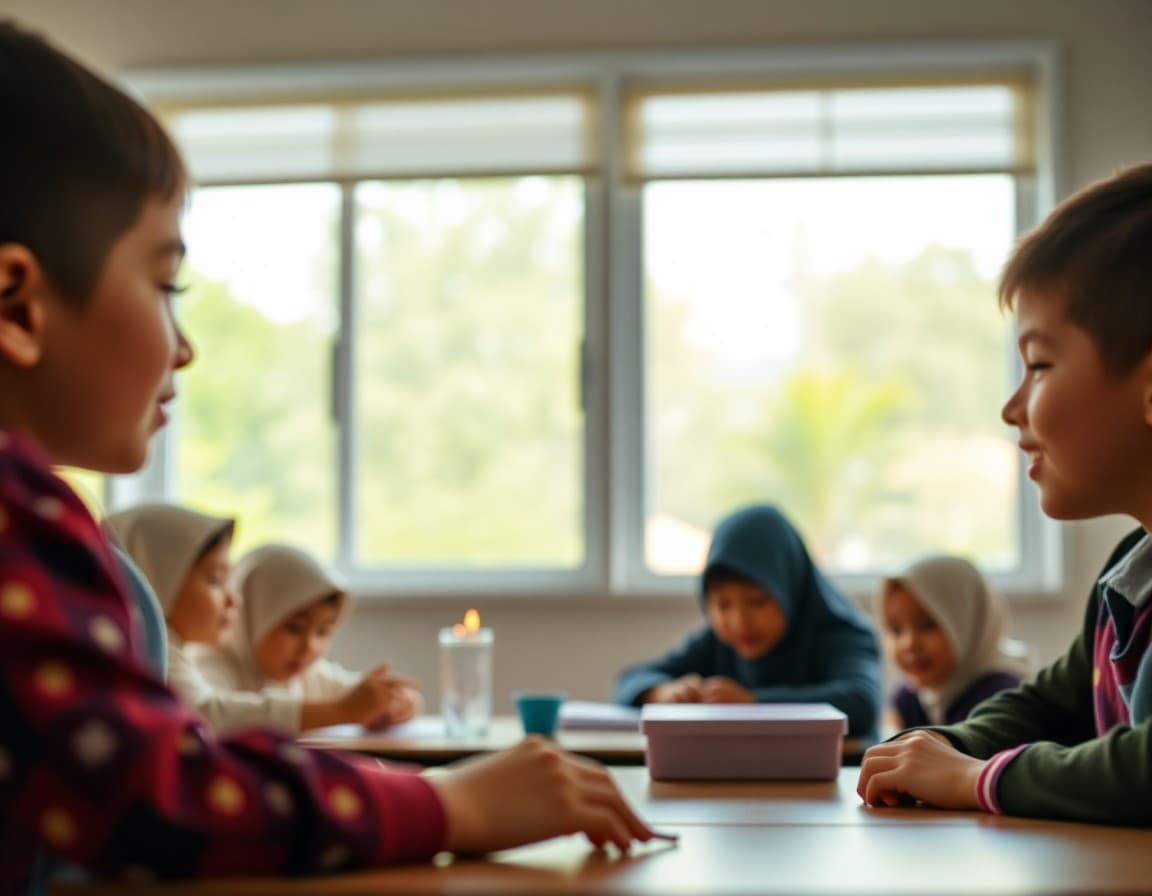
Eid al-Fitr is one of the two most important holidays in Islam, celebrated by approximately 1.8 billion Muslims worldwide. In the United States, Muslim students are present in schools in every state, and for many of those students, seeing their holiday acknowledged in a school newsletter -- accurately, respectfully, and with comparable depth to Christmas or Easter -- is a genuinely significant experience of belonging.
What Eid al-Fitr Commemorates
Eid al-Fitr translates as "the festival of breaking the fast." It marks the end of Ramadan, the ninth month of the Islamic calendar, during which Muslims fast from dawn to sunset each day as an act of spiritual discipline, gratitude, and solidarity with those who are hungry. Ramadan is also a time of increased prayer and Quran recitation. Eid al-Fitr begins when the new crescent moon is sighted, signaling the start of the following month. The holiday is a celebration of the spiritual accomplishment of Ramadan and of community, family, and gratitude.
How Muslims Celebrate Eid al-Fitr
Eid begins with morning prayers at the mosque, typically attended by large crowds including families who may not attend mosque regularly during the year. Muslims dress in their finest clothes for Eid -- often new outfits purchased specifically for the occasion. After prayers, families gather for large meals and visit relatives. Children receive gifts (called Eidi) from adults. Many Muslims give Zakat al-Fitr, a charitable donation made before Eid prayers to ensure that those in need can also celebrate. The greeting "Eid Mubarak" (blessed Eid) or "Eid Said" (happy Eid) is exchanged throughout the day.
Student Absences and School Policy
Many Muslim families keep children home on Eid al-Fitr for morning prayers and family celebration. Schools in most U.S. jurisdictions are legally required to treat religious holiday absences as excused. The newsletter should state this clearly: "Absences on Eid al-Fitr will be treated as excused religious observances. Students who are absent should see their teachers upon return to collect any missed work, which will be made up without penalty." This statement matters to Muslim families and signals that the school respects their religious observances.
Template Section: Eid al-Fitr Overview for All Families
Here is a newsletter section that educates all families while honoring Muslim families specifically:
"Eid al-Fitr: Eid al-Fitr, expected around late March this year, marks the end of Ramadan -- the Islamic month of fasting and spiritual reflection. Muslims celebrate Eid with morning prayers, family gatherings, special meals, and gifts. The greeting 'Eid Mubarak' (blessed Eid) is exchanged throughout the day. We are glad to have Muslim families in our school community who observe this important holiday. Absences on Eid al-Fitr will be treated as excused religious observances."
Supporting Students During Ramadan
If the newsletter is being sent during or just before Ramadan, include a section about supporting fasting students. Muslim students who are fasting do not eat or drink during school hours. By the afternoon, some students may be fatigued or less able to concentrate. Teachers can support fasting students by being flexible about scheduling intensive cognitive tasks earlier in the day, allowing water access for students who are not fasting without making fasting students uncomfortable, and avoiding food-related activities during Ramadan if possible. This context in the newsletter helps non-Muslim families understand what their classmates are doing and why.
Cultural Resources Worth Sharing
Give families concrete resources if they want to learn more about Islam and Eid. The Smithsonian's National Museum of Asian Art and the Museum of Fine Arts Boston have educational resources on Islamic art and culture. Public libraries in most cities have children's books about Ramadan and Eid -- "Under the Ramadan Moon," "My Very Own Eid Al-Fitr," and "Night of the Moon" are well-reviewed titles for elementary students. For older students, reading about the diversity of Muslim communities globally gives a more accurate picture than any single cultural lens.
Equal Treatment Across Holiday Newsletters
Muslim families in American schools are accustomed to their holidays being ignored or briefly noted while other holidays receive full newsletter sections. A school that sends a detailed Christmas newsletter and a one-line Eid mention sends a message about whose families belong. Equal depth of coverage -- not the same content, but the same care and investment of attention -- is what communicates genuine respect. The Eid newsletter should take as much effort and cover as much ground as the school's Christmas or Easter newsletter.
Get one newsletter idea every week.
Free. For teachers. No spam.
Frequently asked questions
When is Eid al-Fitr and how should the newsletter account for its variable date?
Eid al-Fitr marks the end of Ramadan, the Islamic holy month of fasting. Because the Islamic calendar is lunar, the date shifts approximately 10 days earlier each year on the Gregorian calendar. In 2027 it is expected around late March. The exact date is confirmed by the sighting of the new moon and can vary by one day between communities. Note in the newsletter that the exact date may vary by a day and that the school is aware of the holiday.
What is Eid al-Fitr and how do Muslims celebrate it?
Eid al-Fitr -- 'the festival of breaking the fast' -- is one of the two major holidays in Islam. It marks the end of Ramadan, a month of fasting, prayer, and reflection. On Eid, Muslims attend morning prayers at the mosque, exchange greetings of 'Eid Mubarak' (blessed Eid), share meals with family, give gifts (especially to children), and often donate to charity (Zakat al-Fitr). It is a joyful celebration after a month of spiritual discipline.
How should schools handle student absences on Eid al-Fitr?
Eid al-Fitr is an important religious holiday. Many Muslim families keep children home on Eid for morning prayers and family celebration. The newsletter should acknowledge this and reassure Muslim families that absences on Eid will be treated as excused religious observances (which is the legal standard in most U.S. jurisdictions). Teachers should be prepared to provide missed work without penalty.
What should non-Muslim families know about Ramadan and Eid?
During Ramadan, Muslim students who are fasting do not eat or drink from dawn to sunset. This can affect energy and focus, particularly by late afternoon. Understanding this helps non-Muslim families explain to their children why some classmates may not eat lunch during Ramadan. Eid is the celebration after this month of discipline -- understanding that context makes the holiday more meaningful to non-Muslim families.
Can Daystage help me send an Eid al-Fitr newsletter with the same quality as other holiday newsletters?
Yes. Daystage lets you send an Eid al-Fitr newsletter with professional formatting, links to Muslim cultural resources, and delivery to your full parent list. Teachers in schools with Muslim students use Daystage to ensure that Eid newsletters receive the same production quality as Christmas or Easter newsletters -- a signal of equal respect that Muslim families notice.

Adi Ackerman
Author
Adi Ackerman is a former classroom teacher and curriculum writer with 8 years in K-8 schools. She writes about school communication, parent engagement, and what actually works in real classrooms.
More for Diversity & Equity
Ready to send your first newsletter?
3 newsletters free. No credit card. First one ready in under 5 minutes.
Get started free