
Writing a Belonging and Inclusion Newsletter That Means Something
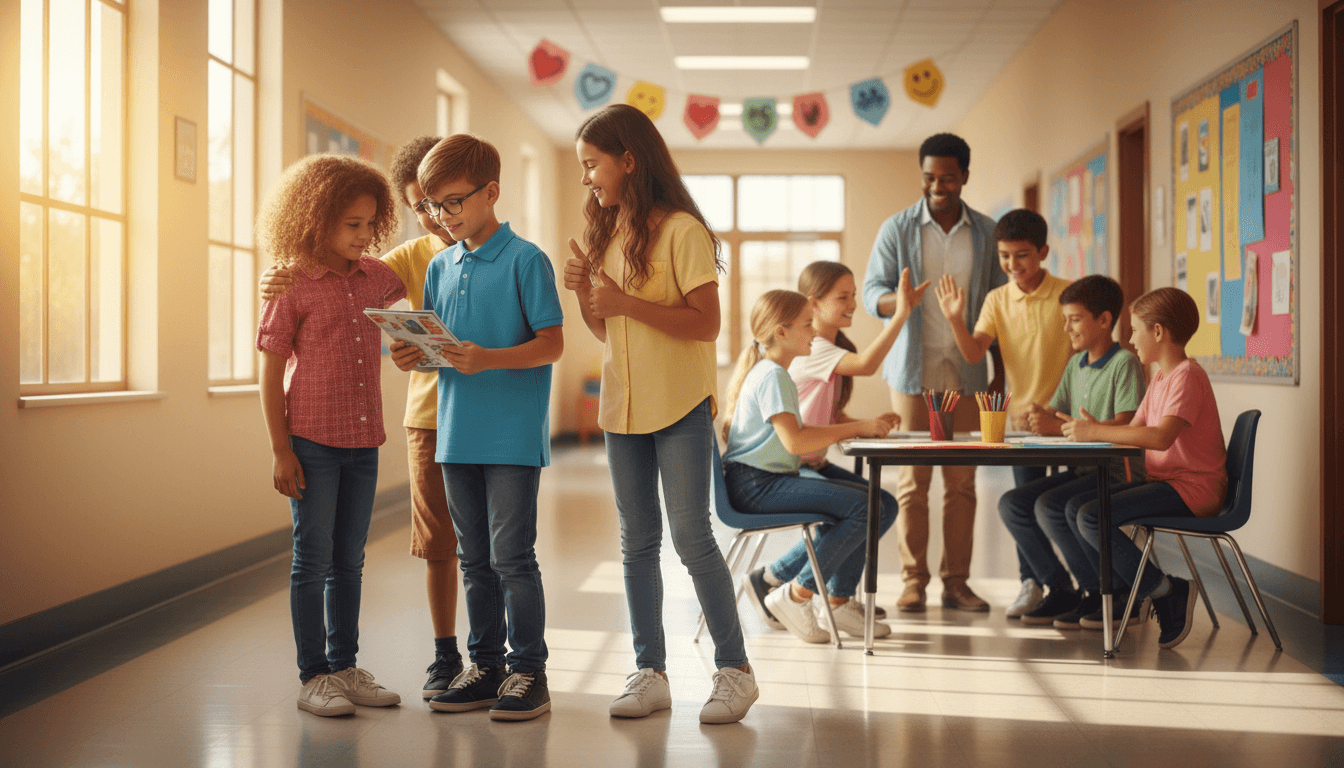
Belonging is not a program. It is what students feel when they walk into school in the morning and know they are part of something that includes them. Every school says it values belonging. The ones that actually build it communicate about it consistently, specifically, and honestly.
Start with Stories, Not Principles
The most effective belonging content in a newsletter is a story. A new student who found a friend in the first week. A student with a disability who led a class project for the first time. A family whose child finally told them they liked school.
These stories do not need to be elaborate. Two or three sentences with enough specificity to feel real is enough. The point is to show what belonging looks like in this school, not to assert that the school is committed to it.
Show the Structural Changes
Belonging is partly structural. Schools that build it make specific changes to how they operate: reorganizing lunch tables, creating mixed-grade buddy programs, redesigning how new students are welcomed, or ensuring that extracurricular offerings reflect the diversity of the student body.
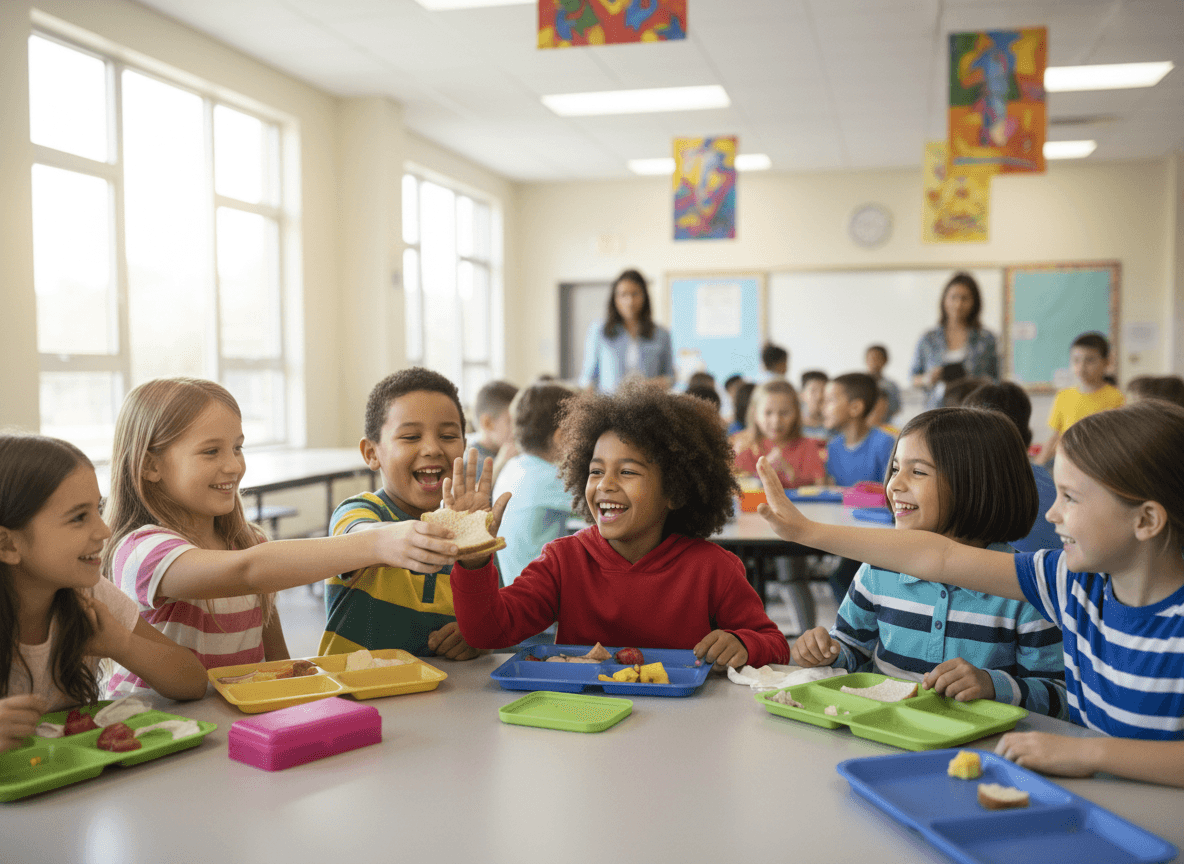
When the school makes a structural change in service of belonging, the newsletter is where you explain the change and the reasoning. "We redesigned our lunch schedule this year so that students have structured social activities available, because we noticed that unstructured time was hardest for the students who most needed connection." That is a decision families respect.
Acknowledge What Does Not Work
Belonging content that only celebrates successes reads as incomplete to families who know the messier reality. A school that occasionally acknowledges where belonging is not happening yet, and what it is doing about that gap, is more credible than one that only reports wins.
"Our survey results showed that students from certain grade levels feel less connected to school than others. We are running a pilot advisory program for those grades starting in January. Here is what that looks like and why we think it will help." That is honest and action-oriented.
Involve Families in Building Belonging
Families are part of the belonging ecosystem. How they talk about school at home, how they support their child through social challenges, and whether they model inclusion in their own relationships all affects how their child experiences belonging at school.
A brief newsletter prompt that gives families language to use at home, questions to ask, or behaviors to watch for builds that alignment. "If your child tells you they sat alone at lunch, take that seriously and reach out. Our counselors want to know." That is practical guidance, not a platitude.
Give Voice to Students Who Rarely Speak
One of the most powerful belonging signals in a newsletter is giving space to students whose voices are not typically heard. A brief quote from a student who is new to the school, learning English, in special education, or from a family new to the community places their experience at the center of the school's story.
Always get permission and let the student and their family review what is shared. But when done thoughtfully, these voices add depth to the school's belonging narrative that leadership-written content cannot provide.
Get one newsletter idea every week.
Free. For teachers. No spam.
Frequently asked questions
How do you write about belonging without it sounding like a policy statement?
Lead with a story, not a principle. Describe a specific student who felt included or who helped someone else belong, without identifying the student by name if the situation is sensitive. Concrete stories communicate belonging more effectively than any number of declarative sentences about commitment to inclusion.
What belonging and inclusion topics belong in a school newsletter?
Programs designed to help students connect, changes the school made to remove barriers for specific student populations, student accounts of feeling welcomed, staff practices that create belonging, and honest acknowledgments when the school fell short and what it is doing about it. All of these build a credible picture of a school that takes belonging seriously.
How do you address belonging challenges without making any group of students feel singled out?
Focus on the community's responsibility rather than a specific group's experience. 'We want every student to feel they belong here, and we are working on specific things to close the gaps we see' places the work on the school rather than drawing attention to students who may already feel marginalized. Avoid language that inadvertently defines students by their challenges.
How often should belonging content appear in the newsletter?
Consistently but not exclusively. A belonging section that appears every three or four issues, woven through the regular newsletter rather than siloed as a separate report, feels integrated rather than performative. Saving it for one issue a year around a designated awareness week communicates that belonging is seasonal rather than foundational.
How does Daystage support consistent belonging communication?
Daystage helps school teams build and maintain newsletter sections that cover cultural and community content regularly rather than only when a diversity initiative is being launched. Schools use it to make belonging visible as an ongoing school priority throughout the year.

Adi Ackerman
Author
Adi Ackerman is a former classroom teacher and curriculum writer with 8 years in K-8 schools. She writes about school communication, parent engagement, and what actually works in real classrooms.
More for School Culture
Ready to send your first newsletter?
3 newsletters free. No credit card. First one ready in under 5 minutes.
Get started free