
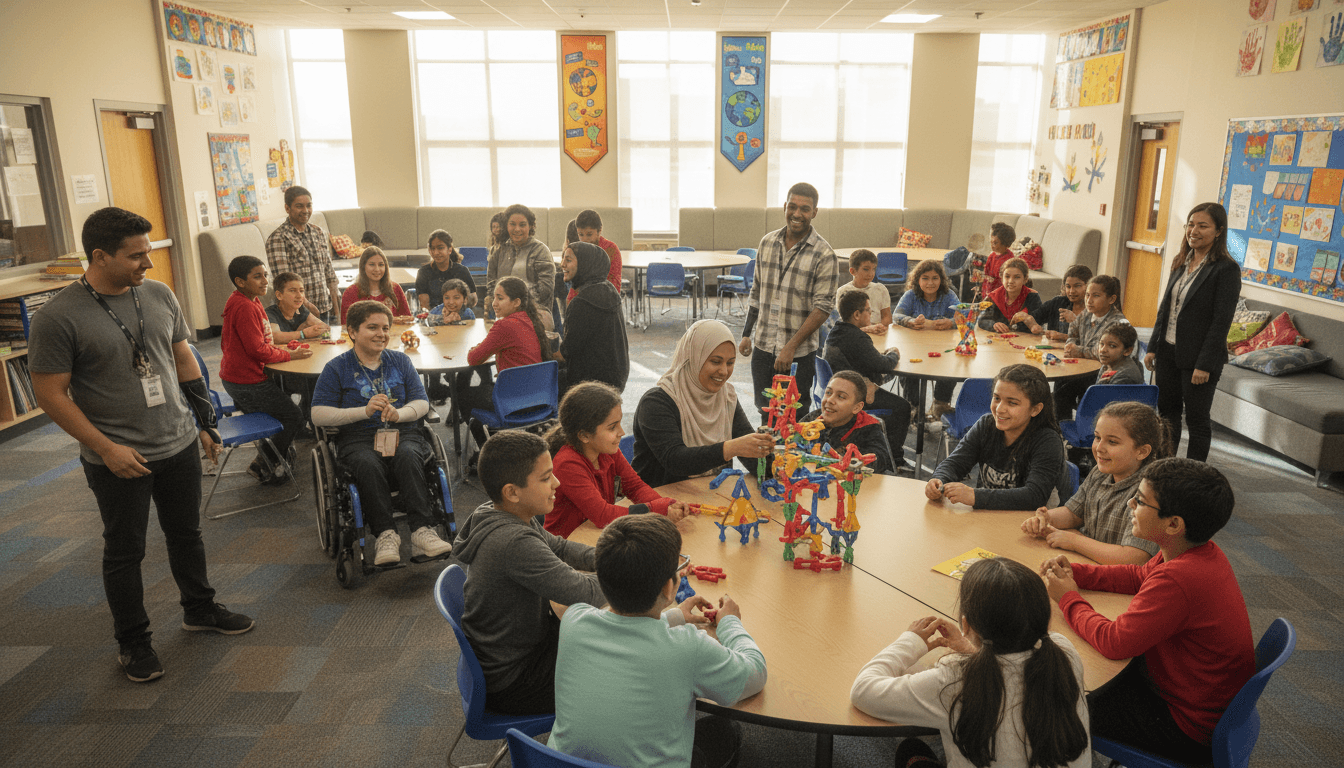
Diverse Educator Spotlight Newsletter: Communicating Teacher Diversity to School Families
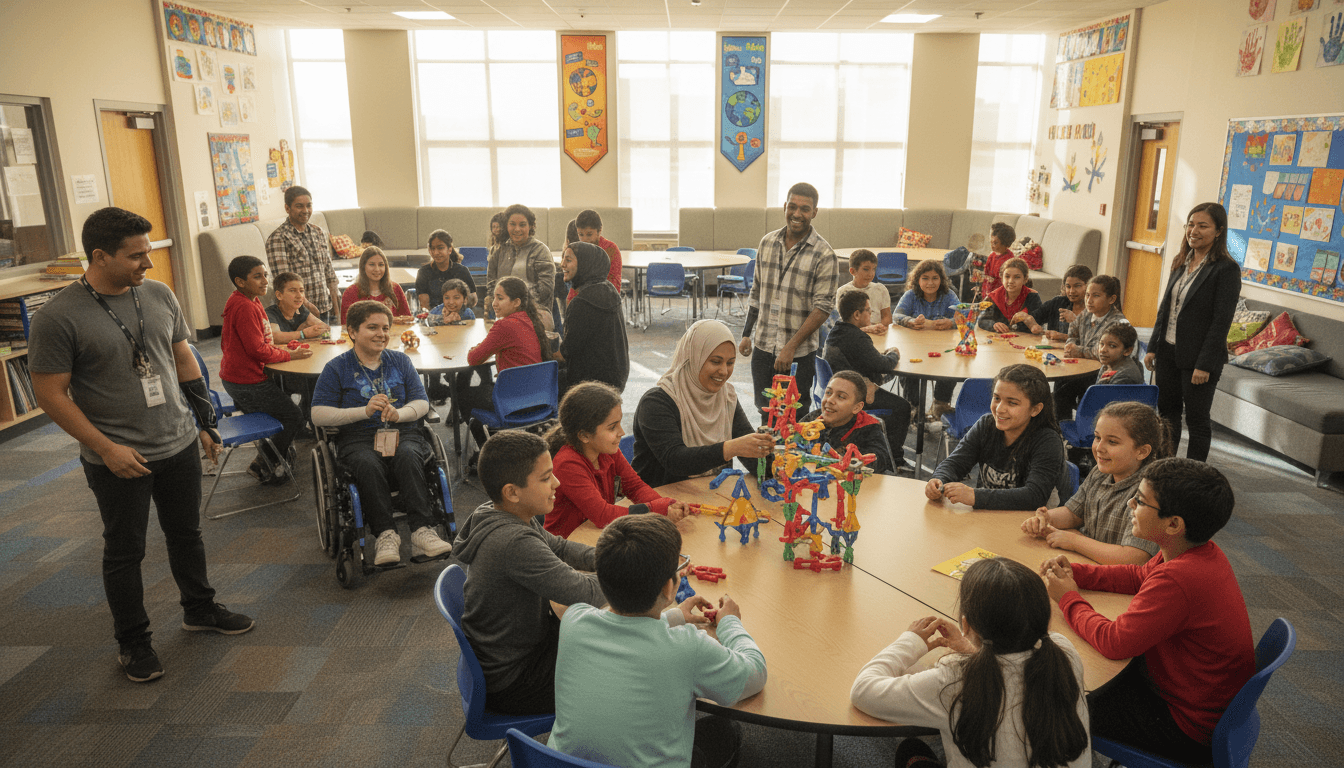
Teacher diversity is one of the most impactful variables in student outcomes. Students from underrepresented racial and ethnic groups who have at least one teacher who shares their background show higher graduation rates, higher academic engagement, and stronger sense of school belonging. A newsletter that communicates about teacher diversity with honesty and specificity, including where the school is succeeding and where it is working to improve, builds the community understanding that makes this work sustainable.
This guide covers how to spotlight diverse educators authentically, how to communicate the value of teacher diversity to families, how to address the gap between current demographics and goals, and how to make educator spotlights a genuine celebration rather than a performative gesture.
Letting educators tell their own stories
The most authentic educator spotlights start with the educator's own voice. A newsletter that asks a teacher what they want families to know, what drew them to teaching, what they are most proud of in their current work, and how their background shapes their practice produces a richer portrait than one that describes the educator from the outside. Educators who write or substantially contribute to their own spotlights are more likely to be comfortable with the result and more likely to share it.
Centering teaching excellence alongside background
An educator spotlight that leads with demographic identity and follows with teaching credentials can feel like the educator is being featured for representation rather than for excellence. A spotlight that leads with teaching philosophy, current work with students, and professional accomplishments, and then connects background as one lens among several, honors the full person rather than reducing them to a diversity metric. This is both more respectful and more accurate.
Communicating why teacher diversity matters
Families from all backgrounds benefit from understanding why teacher diversity improves outcomes for all students. Research on the effects of teacher-student racial and ethnic matching on engagement, achievement, and belonging is extensive and consistent. A newsletter that shares this research, even briefly, gives families an evidence base for valuing teacher diversity that goes beyond cultural sensitivity. Families who understand why teacher diversity matters are more likely to support hiring decisions and retention investments that prioritize it.
Addressing the gap between current staff demographics and goals
Most schools serving diverse student populations have teaching staffs that are less racially and ethnically diverse than their student bodies. A newsletter that acknowledges this gap, describes the specific strategies the school is using to address it, and reports on progress over time communicates that the commitment is real. Families are more trusting of schools that are honest about their current limitations than schools that describe themselves as fully diverse when the evidence suggests otherwise.
Featuring diverse educators year-round, not only during heritage months
Educator spotlights that appear only during heritage months send a signal about when diverse educators are considered relevant. A newsletter that features educators from diverse backgrounds in January, April, and August, alongside the heritage month spotlights, communicates that the school values all its educators consistently. The timing of a spotlight is itself a communication about what the school thinks matters and when.
Using Daystage for educator spotlight communication
Daystage monthly newsletters make it practical to run educator spotlights as a standing section rather than a special feature. Build the section into your template, set a schedule that ensures representation across the year, and let the educators themselves drive the content. Consistent, educator-driven spotlights build community connection and signal that teacher diversity is a genuine school priority.
Get one newsletter idea every week.
Free. For teachers. No spam.
Frequently asked questions
What should a diverse educator spotlight newsletter include?
Feature an educator's professional background, teaching philosophy, current work with students, and how their perspective shapes their practice. Ask the educator what they want families to know. Spotlights that are driven by the educator's own narrative are more authentic than those shaped entirely by the communications office.
How do I spotlight a diverse educator without making their identity the whole story?
Center the educator's work, expertise, and relationship with students, with their background as context rather than as the lead. An educator spotlight that leads with the person's teaching approach and follows with how their background informs it is more respectful than one that leads with demographic identity.
How do I communicate the value of teacher diversity to families?
Describe the research directly. Students from underrepresented groups who have at least one teacher who shares their racial or ethnic background have significantly higher graduation rates, academic engagement, and sense of belonging. This research is documented. Families who understand why teacher diversity matters are better advocates for it than families who receive only a hiring announcement.
How should a school communicate when it is actively working to diversify its teaching staff?
Describe the specific goals, timeline, and strategies the school is using to recruit and retain diverse educators. Include information about what pipeline programs or partnerships the school is part of. Honest communication about the gap between current staff demographics and the goal is more credible than announcing diversity programs without disclosing the current baseline.
How does Daystage support diverse educator spotlight communication?
Daystage monthly newsletters make it easy to build a standing educator spotlight section into your template. Feature diverse educators throughout the year, not only during heritage months. Year-round spotlights communicate that the school values all its educators consistently, not performatively during seasonal observation periods.

Adi Ackerman
Author
Adi Ackerman is a former classroom teacher and curriculum writer with 8 years in K-8 schools. She writes about school communication, parent engagement, and what actually works in real classrooms.
More for Diversity & Equity
Socioeconomic Diversity Newsletter: Communicating Economic Inclusion to School Families
Diversity & Equity · 6 min read
DEI Coordinator Newsletter Guide: Communicating Equity Goals and Progress to the School Community
Diversity & Equity · 7 min read
Family Engagement Equity Newsletter: Reaching and Including Families Who Are Most Often Left Out
Diversity & Equity · 6 min read
Ready to send your first newsletter?
3 newsletters free. No credit card. First one ready in under 5 minutes.
Get started free