
Curriculum Director Newsletter: Physical Education Update
Physical education often occupies the bottom of the curriculum priority list in district communications. That is a mistake. PE is where students learn to take care of their bodies, develop lifelong health habits, and experience the connection between physical activity and how they feel and perform in school. When the curriculum changes, families deserve to know what those changes are and why they matter.
Lead With Health Outcomes, Not Logistics
Start the newsletter with what the PE curriculum is designed to produce: students who know how to monitor their own fitness, can perform a range of movement skills, understand the relationship between physical activity and health, and have developed habits they can sustain as adults. That outcome-first framing signals that PE is an investment in students' long-term wellbeing, not just an hour of activity per week.
Explain the Shift From Competition to Personal Development
If your updated curriculum reduces the emphasis on competitive team sports in favor of individualized fitness goals and lifetime activities, explain that shift and the research behind it. Many families experienced PE as organized team games and may not understand why the approach has changed. The research shows that curricula focused on personal fitness goals increase lifelong physical activity rates more effectively than competitive sports models, especially for students who are not naturally athletic.
Describe What Students Are Actually Doing
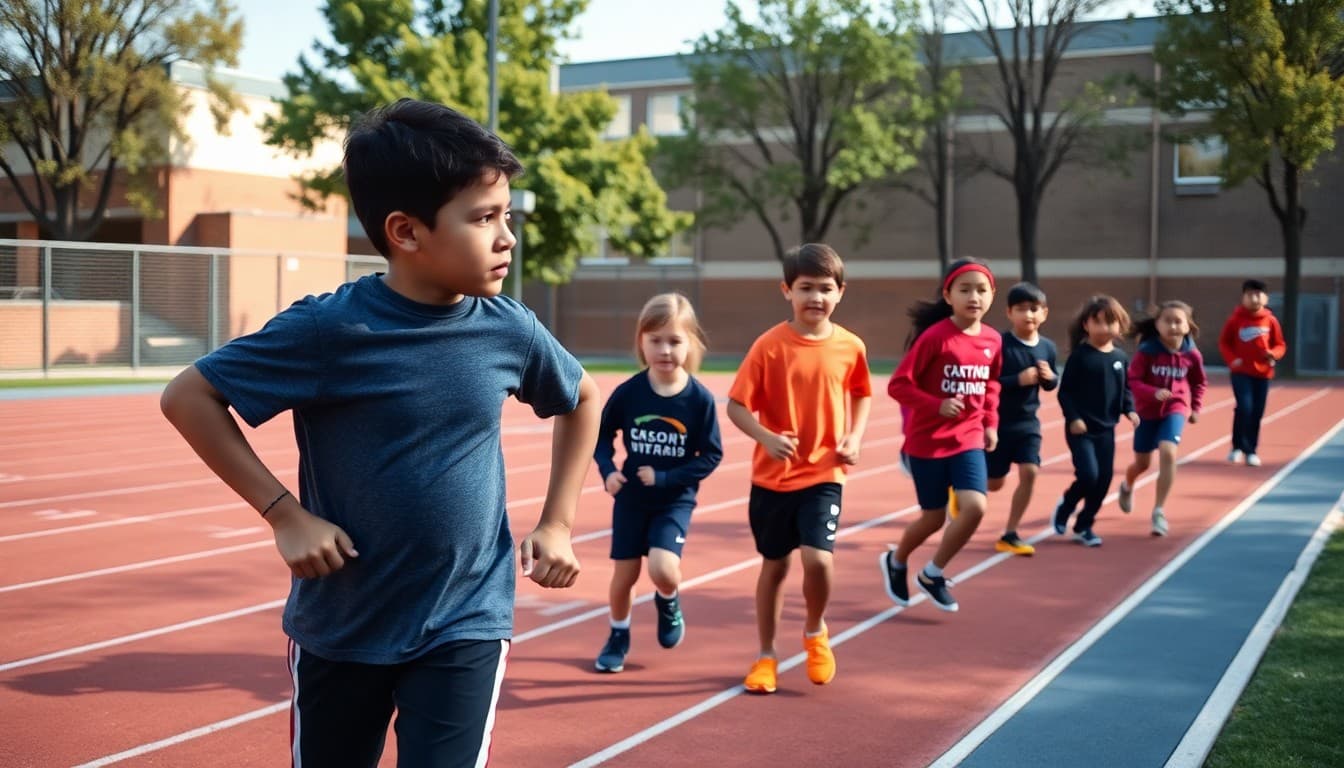
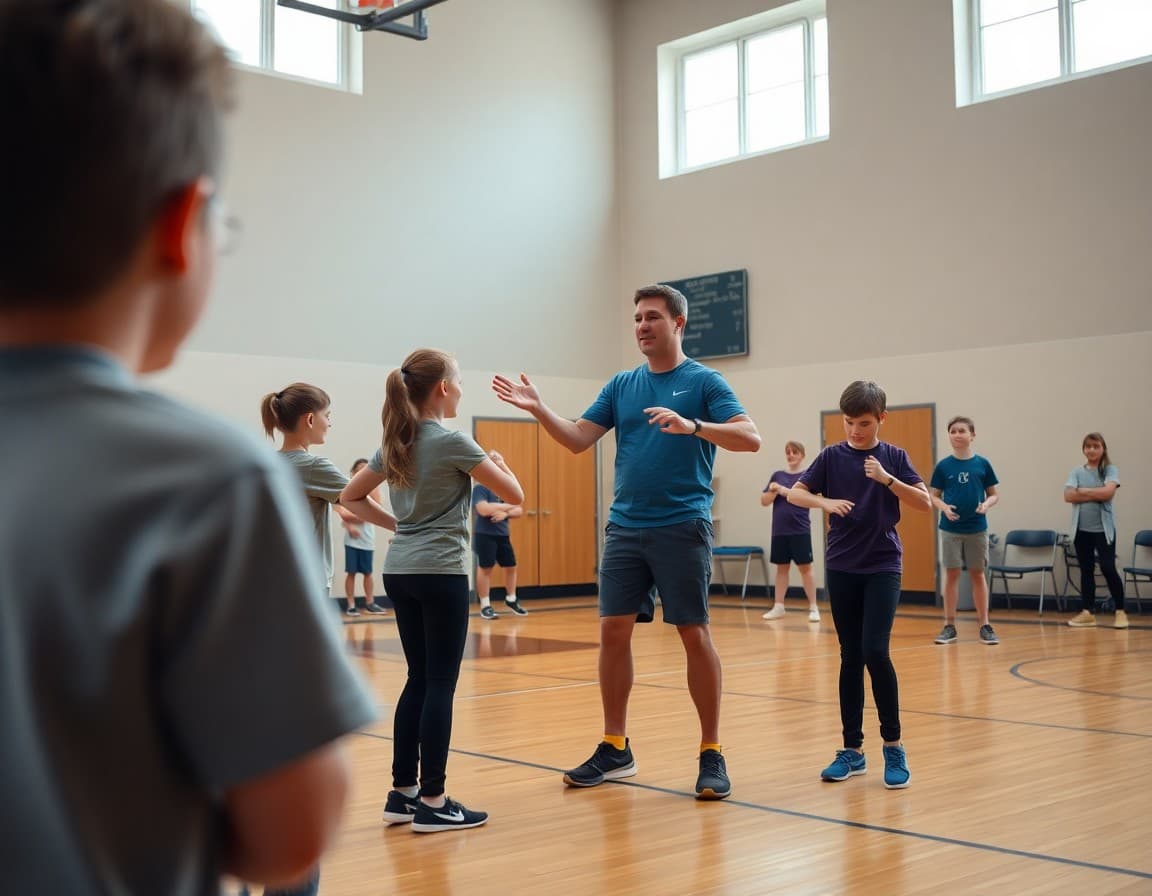
Be specific. Describe a typical PE unit at each school level. Elementary students might be learning fundamental movement patterns, practicing coordination activities, and exploring cooperative games. Middle school students might be working on cardiovascular fitness goals, learning to track their heart rate, and exploring individual sports and fitness activities. High school students might be completing personal fitness plans and exploring activities like yoga, strength training, or recreational sports they can pursue after graduation.
A Sample Section on Fitness Assessment
"This year, students in grades 5, 7, and 9 will complete the FitnessGram assessment in October and May. FitnessGram measures five areas: aerobic capacity, muscular strength and endurance, flexibility, and body composition. Results are used to help students and teachers set personal fitness goals, not to grade students against each other. Every student's score is private and shared only with the student and their family. We will send results home with a personalized goal-setting guide."
Connect PE to Academic Performance
Research published by the CDC and multiple university research centers consistently shows that students who are more physically active perform better academically. They have stronger attention, better memory consolidation, lower rates of anxiety and depression, and better attendance. Including one or two of these findings in your newsletter makes PE feel urgent to families who are focused on academic outcomes.
Address Health and Wellness Beyond Physical Activity
Modern PE curricula often include health education content alongside physical activity instruction. Explain what health topics students cover, including nutrition basics, sleep hygiene, stress management, and the basics of mental health. These are components of the wellness curriculum that families may not know exist and that many will appreciate learning about.
Share Teacher Credentials and Professional Development
Physical education teachers bring specialized training to their work. If your PE staff hold SHAPE America certifications or have completed recent professional development on trauma- informed PE, adaptive physical education, or fitness assessment, mention it. Families who know that PE is taught by trained professionals rather than whoever was available to supervise students will take the subject more seriously.
Invite Families to Participate
Close with a family engagement invitation. A family wellness night, a fun run, or a parent-student fitness challenge gives families a way to experience the curriculum's focus firsthand. Including a date and registration link turns the newsletter from a communication into an invitation to join the work.
Get one newsletter idea every week.
Free. For teachers. No spam.
Frequently asked questions
What national standards guide physical education curriculum updates?
SHAPE America, the Society of Health and Physical Educators, publishes national standards for K-12 physical education. The standards address motor skills, movement concepts, physical fitness, personal and social behavior, and the value of physical activity. Many state PE standards are built on or aligned to these national standards, and citing them in your newsletter grounds the curriculum update in a credible, professional framework.
How has PE curriculum changed in recent years?
Modern PE curricula have shifted away from competitive team sports that favor already-athletic students toward individualized fitness education, lifetime physical activity skills, and health literacy. Students now spend more time learning to monitor their own fitness, set personal goals, and develop activities they can pursue throughout their lives. This shift is worth explaining explicitly in a newsletter because many parents' expectations of PE are based on what they experienced as students.
How do you communicate PE curriculum changes to families who see it as less important than core academics?
Connect physical activity to academic outcomes directly. Research shows that students who meet physical activity guidelines perform better on standardized tests, have better attendance, and demonstrate stronger executive function and attention. Framing PE curriculum as a contributor to academic success rather than a break from it shifts how families perceive its value.
What should a district explain about fitness testing in a PE newsletter?
If your district uses a standardized fitness assessment like FitnessGram, explain what it measures, how scores are interpreted, and what the results are used for. Emphasize that fitness assessments are about student wellness, not grading, and that results are used to help students set personal goals. Some families and students experience anxiety around fitness testing, and a clear explanation helps manage those concerns.
What platform helps curriculum directors send PE updates to all schools at once?
Daystage allows district teams to send one newsletter to all schools in the district simultaneously. You can include school-specific sections for schools with unique PE programs while keeping district-wide messaging consistent.

Adi Ackerman
Author
Adi Ackerman is a former classroom teacher and curriculum writer with 8 years in K-8 schools. She writes about school communication, parent engagement, and what actually works in real classrooms.
More for District
Ready to send your first newsletter?
3 newsletters free. No credit card. First one ready in under 5 minutes.
Get started free