

The District Health Services Newsletter: How to Communicate School Health Programs to Families
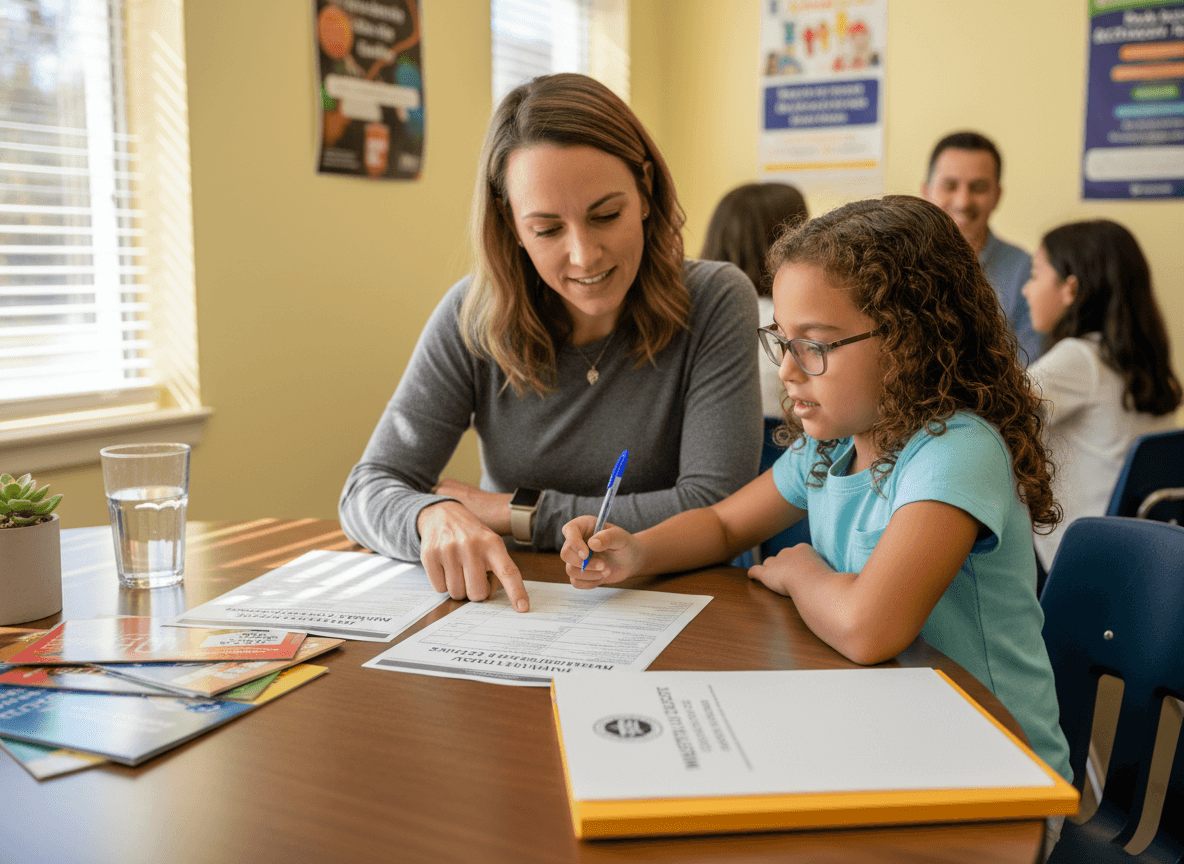
Families want to know that their child is physically safe and cared for at school. The school health services team makes that happen every day, but most families have no idea what the nursing staff does, what the health office is equipped to handle, or what the district's policies are on everything from fever thresholds to peanut allergies. That knowledge gap creates friction in both directions: families who send sick students to school because they do not know the criteria, and families who are alarmed by a health office call because they did not know their student had a vision screening scheduled that day.
A district health services newsletter closes that gap. It gives the health team a regular channel to communicate what services exist, what families need to do, and how to work with the health office as a partner rather than an obstacle.
School Nurse Services and Contact Information
Many families do not know whether their school has a full-time nurse, a part-time nurse, or a health aide. This matters because the services available to students differ significantly depending on staffing. A district with a full-time registered nurse at every school can offer different support than one where a nurse rotates between buildings.
The first issue of the year should introduce the health services team: who provides health coverage at each school, what their credentials are, what their hours are, and how families can reach them directly. Families who know the nurse's name and contact information are more likely to communicate proactively about their student's health needs before there is a problem.
Immunization Requirements and Deadlines
Immunization compliance is one of the most administratively intensive parts of school health services, and also one of the most preventable problems when communication is done well. Families who receive clear, early notice of what is required, which grade levels need which vaccines, and when documentation is due will meet the deadline more consistently than families who receive a form in a packet on the first day of school.
Publish immunization requirements in the back-to-school health newsletter with specific deadlines. Explain what forms are acceptable as proof of immunization, how to request records from a previous provider, and what exemption processes exist if applicable in your state. Include a phone number and email for questions. Families who hit a barrier in the documentation process will work through it if they know who to call.
Medication Administration Policies
Medication administration at school is governed by state law and district policy, and it is more complicated than most families expect. The health newsletter should explain what is required for a student to receive medication at school: a physician authorization form, a parent consent form, the medication in its original labeled container. Cover both prescription and over-the-counter medications, and explain the district's policy on self-administration for students who carry rescue inhalers or EpiPens.
Address the consequences clearly but without being punitive. A student who brings ibuprofen in a pocket is a health and safety concern under most state policies. Families who understand this in advance are less likely to send medication informally and less likely to be upset when the health office follows policy.
Vision and Hearing Screening Communication
Most states require districts to screen students for vision and hearing problems at specific grade levels. Many families do not know this screening is happening, and some are alarmed when the school calls to report that their student did not pass a screening. Proactive communication prevents most of that alarm.
Before the screening season, publish a newsletter section explaining which grade levels will be screened, what the screening involves, and what a referral means. A screening referral is not a diagnosis. It means the health team observed something worth having a professional evaluate. Explaining this in advance, before families receive a letter saying their child needs a follow-up, reduces the number of concerned calls the health office receives.
Illness Protocols: Clear Criteria, Applied Consistently
"Keep your sick child home" is not specific enough to be useful. Families who do not have a clear threshold will make different judgment calls on different days, and some of them will send children who should stay home. Publish specific criteria in the newsletter: which symptoms require a student to stay home, what the return requirements are for each, and who makes the decision to call a family to pick up a student during the school day.
When there is a communicable illness circulating in the community, send a brief update through the regular newsletter channel. Explain what the district is seeing, what the health office recommends, and what families should watch for. Families who receive timely health updates from the district are less likely to rely on social media rumors about illness outbreaks in their school.
Allergy Policy Communication
Food allergy policies affect every family in the district, not just those with allergic students. Families need to know what the district's policies are on nut-free classrooms, birthday treat protocols, field trip snack guidelines, and how allergy emergencies are handled. The newsletter should explain these policies once per year, with a reminder before any major event that involves food.
For families with students who have diagnosed allergies, the newsletter should explain the process for submitting an emergency action plan, where EpiPens are stored, who is trained to administer epinephrine, and how the health office communicates with classroom teachers. Knowing these protocols exist gives families with medically complex students confidence that the district takes their child's safety seriously.
Health Insurance Resources for Uninsured Families
Many districts serve families who do not have health insurance or are underinsured. The school health team is often a bridge to community health resources, and the newsletter is a practical way to share those resources without creating stigma. Include a section in each issue on local health clinics, state children's health insurance programs, immunization programs at low or no cost, and dental and vision resources for families who cannot afford private care.
Frame this section as a resource for all families navigating coverage questions, not as a charity announcement. Families who need these resources will find them. Families who do not will appreciate knowing the district is aware of the need.
Get one newsletter idea every week.
Free. For teachers. No spam.
Frequently asked questions
What should a district health services newsletter include?
A district health services newsletter should cover school nurse services and contact information, immunization requirements and upcoming deadlines, medication administration policies, vision and hearing screening schedules and results communication, illness and exclusion protocols, allergy policies, and any available health insurance or coverage resources for uninsured families. The goal is to give families the health-related information they need before they need it, reducing the number of reactive calls and compliance problems the district faces during the year.
How should districts communicate immunization requirements to families?
Communicate immunization deadlines early, clearly, and multiple times. A back-to-school newsletter should include the specific vaccines required for each grade level, the deadline for submitting records, what happens if a student is out of compliance, and how families can submit documentation. Many families are not aware that immunization requirements differ by grade level or that some states allow medical or religious exemptions only through a formal process. Spelling this out in plain language prevents a significant number of last-minute compliance issues.
How should districts communicate illness protocols and when to keep a student home?
Give families a clear and specific set of criteria, not vague guidance about keeping sick students home. Name specific symptoms that require a student to stay home and the return-to-school requirements for each. For example: fever above 100.4 degrees, return 24 hours fever-free without medication. Stomach illness, return 24 hours after last episode. This level of specificity reduces arguments at the front office and gives families confidence that the rules are applied consistently.
How do districts communicate medication administration policies?
Many families do not realize how complex school medication administration is until their child needs daily medication or carries a rescue inhaler. The health services newsletter should explain what forms are required for medication to be administered at school, who can administer it, what medications are allowed to be self-carried by students, and what the consequences are for a student who brings medication to school without the proper documentation. Getting ahead of this topic in the newsletter prevents the front-office conflicts that happen when families arrive on the first day expecting informal arrangements.
What is the best tool for distributing district health services newsletters?
Daystage is a strong option for district health services communication because it allows the health services department to create professional newsletters and distribute them to families across all schools from one platform. For time-sensitive communications like illness outbreak notifications or immunization deadline reminders, Daystage makes it easy to reach families quickly without relying on individual school office staff to forward messages.

Adi Ackerman
Author
Adi Ackerman is a former classroom teacher and curriculum writer with 8 years in K-8 schools. She writes about school communication, parent engagement, and what actually works in real classrooms.
More for District
Ready to send your first newsletter?
3 newsletters free. No credit card. First one ready in under 5 minutes.
Get started free