

District Newsletter: Our Wellness Policy Explained
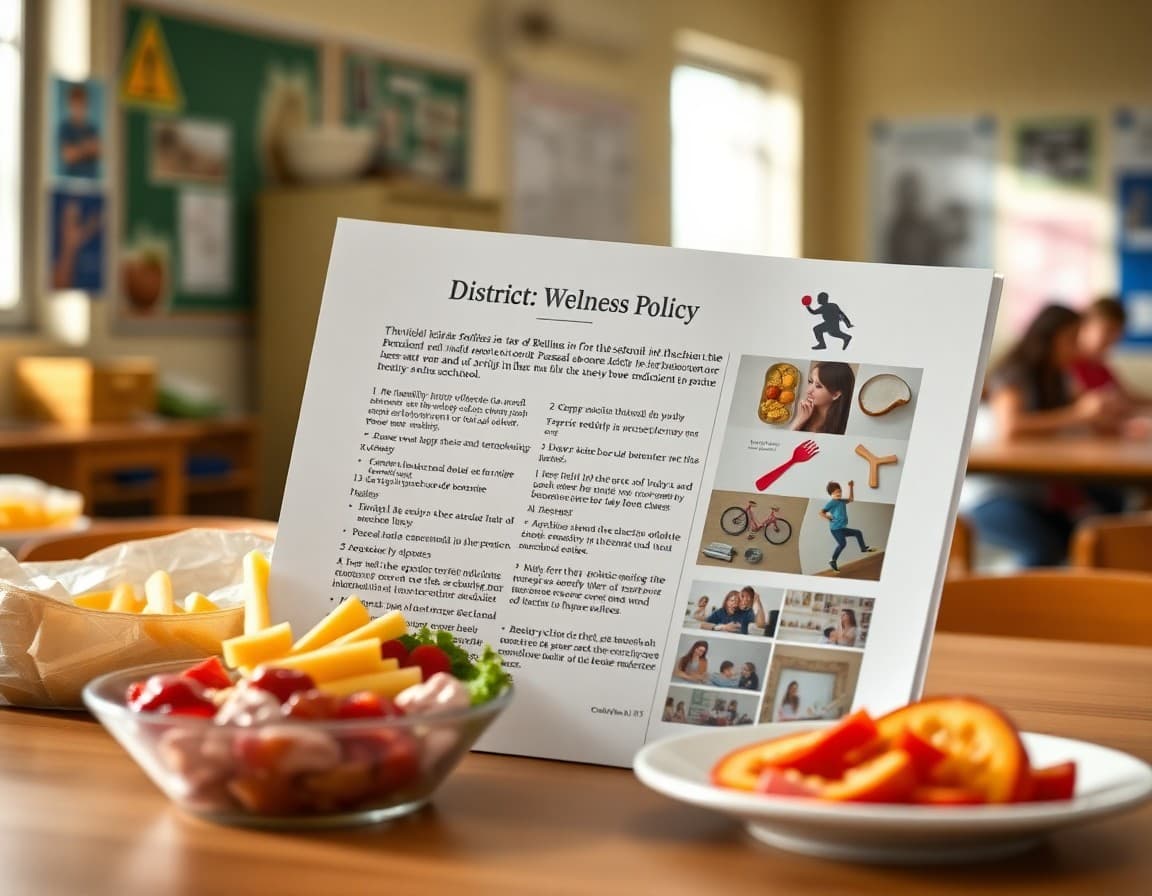
A district wellness policy is not just a compliance document. It is a set of commitments about what the district values for student health and how those values are implemented in cafeterias, classrooms, and physical education programs every day. Communicating the policy clearly to families converts abstract policy language into practical understanding of what their child's school environment looks like.
Explain What the Wellness Policy Is
Open by describing what a local wellness policy is and why the district has one. Federal law requires every district participating in the National School Lunch Program to have a wellness policy. The policy sets standards for nutrition, physical activity, and health education across all schools in the district. It is reviewed and updated on a regular cycle with input from families, staff, students, and health professionals. Describing the policy as a living, community-developed document rather than a bureaucratic mandate frames it more accurately.
Describe the Nutrition Standards
Explain what the policy says about the food served and sold at school. School meals must meet USDA nutrition standards. Competitive foods, snacks, and beverages sold outside the cafeteria must also meet specific nutrition requirements called Smart Snacks standards. Describe what that means in practice: what foods can be sold in vending machines, what can be sold at concessions, and what the cafeteria's nutrition goals are. Families who understand the standards can connect them to what their child experiences at school.
Explain Physical Activity Requirements
Describe what the wellness policy says about physical activity. The recommended standard for most students is 60 minutes of physical activity per day, with a meaningful portion coming through the school day. Describe how the district meets that standard: physical education class minutes, recess policies, active classroom breaks, and before and after school physical activity programs. Connecting the policy language to the actual school day practices makes it real.
Address Classroom Food Policies
One of the most frequently discussed elements of a wellness policy is how it affects classroom celebrations, birthday treats, and food used as rewards. Be specific about what the policy says and what it does not say. If the policy restricts or discourages using food as rewards, explain the rationale: research showing that using food as reward can undermine healthy eating relationships, the allergy safety considerations in managing food in classrooms, and the challenge of accommodating dietary restrictions.
A Sample Celebration Alternative Section
"We know that birthday celebrations and class events are important moments for students and families. Our wellness policy encourages non-food celebrations or pre-approved healthy options rather than cupcakes and cookies in the classroom. Here are some ideas families have shared that work well: a birthday book donation to the classroom library, a special chair or crown for the birthday student, extra recess time as a class, or a favorite game or activity the class chooses together. Teachers can provide additional suggestions specific to their class."
Describe the Nutrition Education Component
Explain what the policy requires in terms of nutrition education. Many wellness policies mandate that students receive a certain amount of nutrition education integrated into the curriculum. Describe what that looks like: classroom lessons on food groups and healthy choices, connections between the cafeteria and the health or science curriculum, or a school garden program. The nutrition education component signals that the policy is about teaching, not just restricting.
Explain the Wellness Committee and Family Input
Federal law requires districts to include family members, students, school staff, and community members in the development and review of the wellness policy. Describe the district's wellness committee: who is on it, when it meets, and how families can join or provide input. The wellness committee is the mechanism through which families can influence the policy, and making that mechanism visible demonstrates that the policy is genuinely community-developed.
Share the Most Recent Policy Update
If the policy was updated in the most recent review cycle, describe the changes. What elements were added or strengthened? What feedback from families or staff drove the updates? A policy that visibly evolves in response to community input is more trusted than one that feels fixed and top-down. Close with a link to the full wellness policy document and the contact information for the district's wellness coordinator or food services director.
Get one newsletter idea every week.
Free. For teachers. No spam.
Frequently asked questions
What is a district wellness policy and why is it required?
Federal law requires every school district that participates in the National School Lunch Program to have a local wellness policy. The policy must address nutrition standards for food served and sold at school, physical activity goals, and other factors that promote student wellness. Districts must review and update their policy regularly and report on implementation. Communicating the policy to families fulfills an engagement requirement and helps families understand the standards shaping their child's school environment.
What should a wellness policy newsletter explain to families?
Explain the policy's goals and what it governs: nutrition standards for school meals and competitive foods, physical activity requirements, limits on food used as rewards or celebrations, nutrition education expectations, and the wellness committee structure. Describe what has changed in the most recent policy update. Connect each element to what families will see in practice at their child's school.
How do you address classroom birthday celebrations and food reward policies?
Be direct and specific. If the wellness policy limits food in classrooms or restricts food used as rewards, explain the rationale: allergy safety, consistency with nutrition education, and concerns about using food to manage behavior. Offer families specific alternatives: non-food birthday celebration options, non-food reward ideas, and ways to honor special occasions that all students can participate in regardless of dietary restrictions.
How do you handle pushback from families who see the wellness policy as overreach?
Acknowledge the concern respectfully. Explain that the policy is designed to support student health and to manage allergy and safety risks in ways that protect all students. Describe the process for families to provide input on the wellness policy through the wellness committee. Transparency about how the policy was developed and how families can influence it is more effective than defending every individual policy element.
How can Daystage help districts communicate wellness policy updates to families?
Daystage lets district food services and communications teams build wellness newsletters with links to the full policy document, wellness committee meeting information, and feedback forms. Sending to all schools at once ensures consistent information reaches every family.

Adi Ackerman
Author
Adi Ackerman is a former classroom teacher and curriculum writer with 8 years in K-8 schools. She writes about school communication, parent engagement, and what actually works in real classrooms.
More for District
Ready to send your first newsletter?
3 newsletters free. No credit card. First one ready in under 5 minutes.
Get started free