
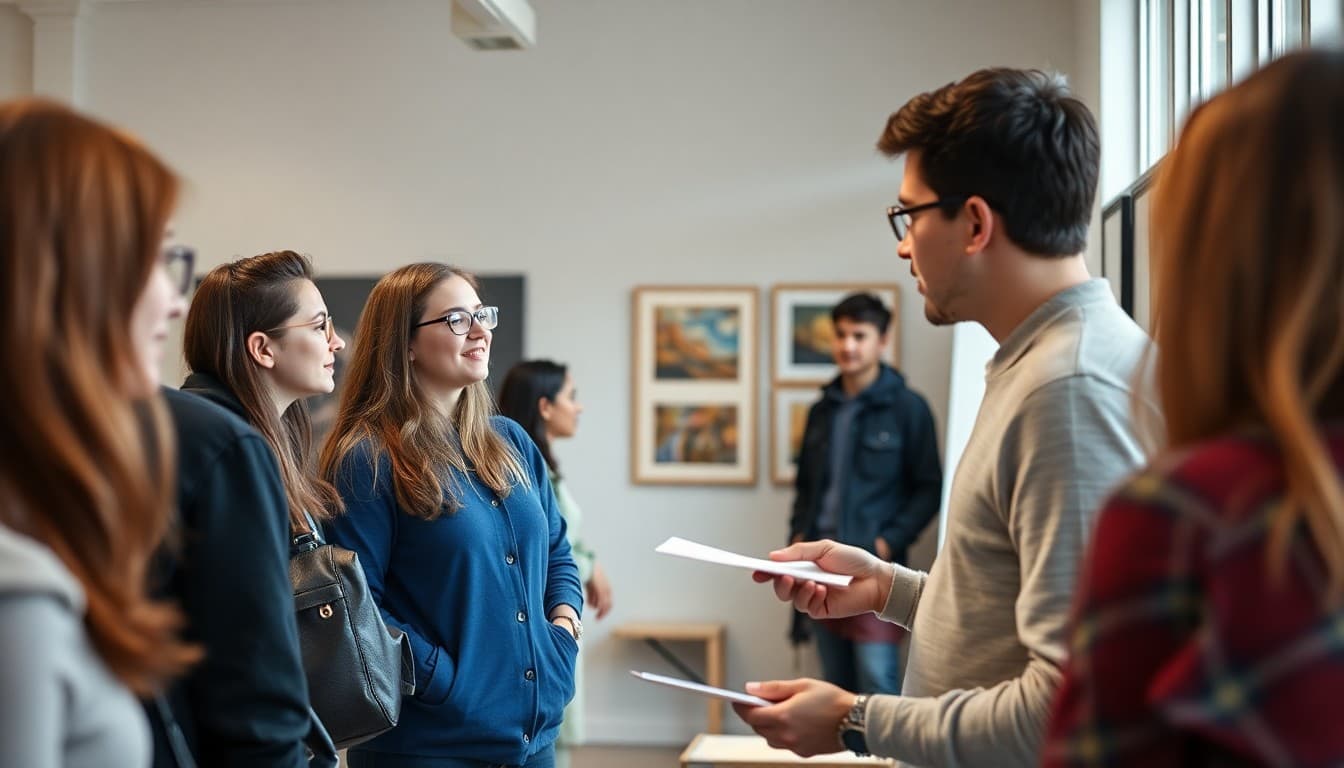
Art Department Newsletter: Creative Curriculum and Exhibition Updates
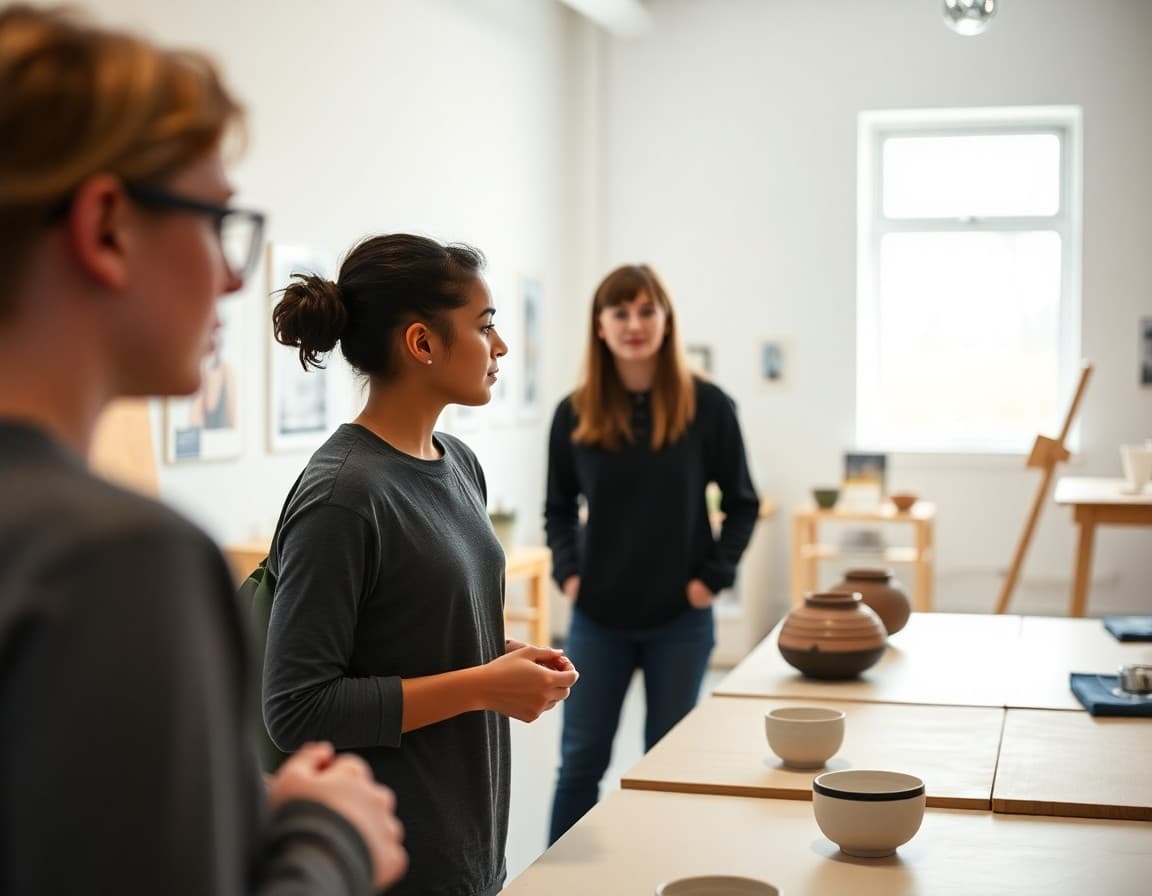
The art department has something almost no other department has: visible proof of learning that families can stand in front of, photograph, and share. An exhibition is a natural communication anchor. But most art departments limit their newsletter communication to exhibition invitations and miss the chance to connect families to the process of making the work, not just the finished product. A newsletter that documents what students are creating, how they are developing as artists, and where their work is going makes the department's program legible to families who may not know what a sustained investigation is or why AP Art requires a portfolio instead of an exam.
Document the Studio Process, Not Just the Finished Work
An art newsletter with three photos of finished student work is good. An art newsletter with a photo of a sculpture in progress at the armature stage, the bisque firing stage, and the glazed final stage is a lesson in process that parents remember. Families who understand how art is made are more patient with the long timelines of studio projects and more genuinely impressed by finished work. "This month, ceramics students are hand-building their final portrait sculptures. The photos below show the process from wire armature to clay application to the kiln."
Announce Exhibitions With Enough Lead Time
An art exhibition announcement that arrives three days before the opening gets lower attendance than one that arrives three weeks before. Many families need to arrange childcare, coordinate with a spouse, or take time off work to attend an evening gallery event. Give them at least three weeks. Include the opening night time separately from the run of the exhibition so families who cannot attend the opening still know the show will be up for another two weeks. "Opening reception: Friday, November 15, 6-8 PM. Exhibition runs through December 6, Monday through Friday 8 AM to 4 PM."
AP Art and Design Requires a Different Kind of Communication
AP Art and Design is among the most misunderstood AP courses because it does not culminate in a multiple-choice exam. It culminates in a digital portfolio submission that represents a year of sustained creative investigation. Families who understand this from the beginning are more supportive during the second semester when students are working intensively on portfolio development. Your fall newsletter should explain the sustained investigation concept, the timeline for midyear review, and the final submission deadline in language that makes the process navigable for families who are not familiar with art school traditions.
A Sample Art Department Newsletter Section
Here is a template for a quarterly newsletter:
"Art Department Update, First Quarter -- Drawing and Painting (all sections): Current project: observational charcoal drawing series. Students are working from still life setups in the studio. Photos of work in progress below. Next project: oil pastel color study, beginning November 4. Photography: Current unit: composition and light in digital photography. Exhibition: photography show, December 8-20, main hallway display case. Ceramics: Hand-building portrait sculpture project continues. Kiln firings scheduled November 6 and November 20. AP Art and Design: Sustained investigation proposals due November 1. Students should have 3 works of the required quality completed by December. Portfolio review with Ms. Rivera by appointment, November 11-15. Contact: art@school.edu, Room 204."
Recognize External Achievements
When art students win recognition outside the school -- at regional competitions, in community exhibitions, or through publication -- the art newsletter is where the whole community hears about it. "Sophia Park's printmaking series was selected for the county youth arts exhibition. Her work will be on display at the Civic Center Gallery from November through December." That recognition validates the department's program and motivates other students who are not sure their work is good enough to compete or submit.
Share Community Opportunities Beyond School
An art department newsletter that extends beyond school reaches students where their interests are. Summer art programs at local colleges and museums, community art classes for high school students, regional youth art competitions, and volunteer opportunities at local galleries all give students ways to continue their artistic development outside of school hours. Families who receive these opportunities through the newsletter are more likely to encourage their students to pursue them than those who have to discover the opportunities independently.
Use Supply Requests to Build Community Investment
Art supply donations from families are a practical way to extend the department's budget and a community-building opportunity. A newsletter that identifies specific, concrete needs -- "We are collecting used magazines for collage projects, fabric scraps, and new or gently used watercolor sets" -- invites families to participate in the program at whatever level they can. Families who donate materials feel ownership of the work their donations help create. That ownership drives exhibition attendance.
Get one newsletter idea every week.
Free. For teachers. No spam.
Frequently asked questions
What should an art department newsletter include?
Upcoming exhibitions and gallery opening dates, current studio projects by course, AP Art and Design portfolio requirements and deadlines, any supply needs families can help with, student achievement in external competitions or shows, opportunities for student artwork to be published or displayed in the community, art club meeting schedule, and any summer art program opportunities. The art department newsletter is also a natural place to celebrate student work visually with photos of pieces in progress.
How does an art department communicate AP Art portfolio requirements to families?
AP Art and Design has three portfolios: 2D Design, 3D Design, and Drawing. Each requires a sustained investigation section (12 images with artist statement) and a selected works section (5 images at high quality). Families need to understand that AP Art is a year-long studio practice, not a course with periodic tests. A newsletter that explains the portfolio structure in plain terms, the midyear review timeline, and the final submission deadline helps families support their students through a process that is quite different from academic AP courses.
How should an art department communicate exhibition events to maximize family attendance?
Send the exhibition announcement at least three weeks before the opening, with a personal invitation framing: 'Your student's work will be on display.' Include the date, time, location, and how long the exhibition runs. Follow up with a reminder two days before. Families who feel their specific student is being showcased (not just 'the art department' in general) are far more likely to attend. Include a photo of one work in progress to generate anticipation.
How do art departments communicate supply needs without placing a burden on families?
Be specific and frame it as an option, not a requirement. 'We are running low on pencils and sketchbooks. If you are able to donate any of these items, drop them at the art room door (Room 204). Students who need supplies should see Ms. Rivera.' That approach gives families who want to help a concrete way to do so while making clear that the school will provide for students who cannot bring supplies. Avoid lists that read like school supply lists families are expected to purchase.
Can Daystage help art department chairs send newsletters with student artwork photos?
Yes. Daystage supports photo-rich newsletters that are perfect for art departments. You can include in-progress studio photos alongside text about upcoming exhibitions and AP deadlines. Families who can see what students are creating in each unit feel more connected to the art program and are more likely to attend the exhibition when it opens.

Adi Ackerman
Author
Adi Ackerman is a former classroom teacher and curriculum writer with 8 years in K-8 schools. She writes about school communication, parent engagement, and what actually works in real classrooms.
More for Department Newsletters
Art Department Newsletter Guide: Sharing Student Work and Program Goals with Families
Department Newsletters · 5 min read
Music Department Newsletter: Performances Programs and Practice
Department Newsletters · 6 min read
Drama Department Newsletter: Production and Performance Updates
Department Newsletters · 6 min read
Ready to send your first newsletter?
3 newsletters free. No credit card. First one ready in under 5 minutes.
Get started free