
School Newsletter: Supporting Healthy Peer Relationships
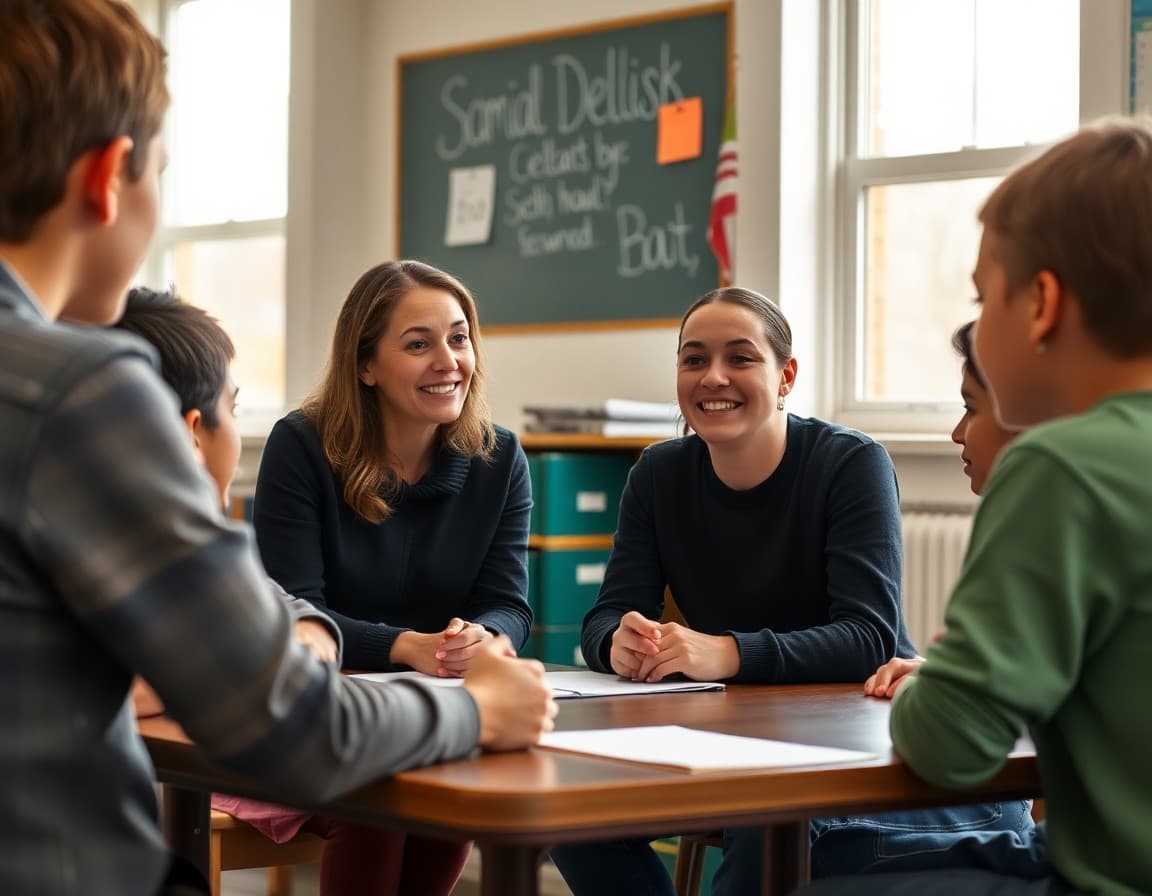
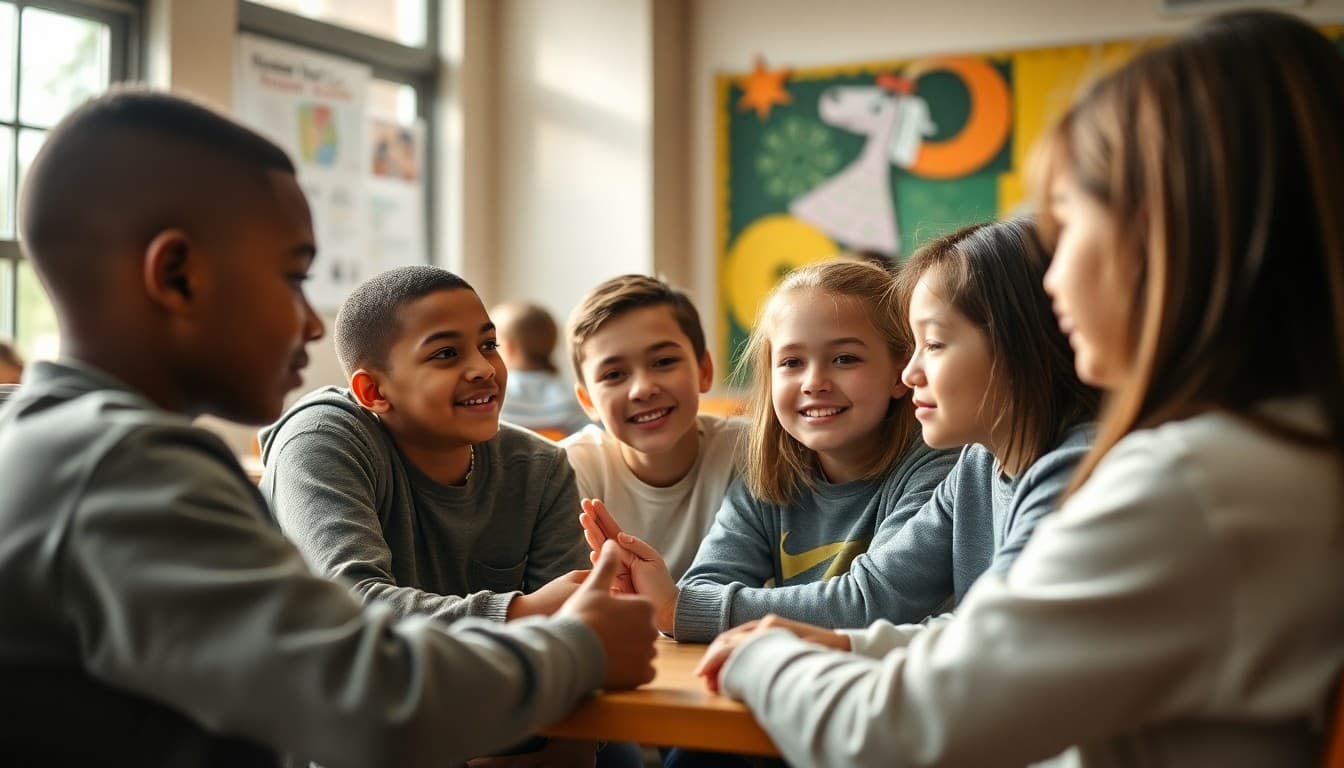
Peer relationships are one of the strongest predictors of how a student experiences school. A student with strong peer connections attends more consistently, engages more deeply with learning, and navigates difficulty more effectively than an isolated student. Schools that communicate clearly about peer relationships, what they look like, what can go wrong, and what support is available, give families the information they need to stay engaged with an important part of their child's school experience.
Name the social skills your school is teaching
Healthy peer relationships depend on specific, learnable skills. A newsletter that names what your school is working on, how to start a conversation, how to be a good listener in a group, how to handle being left out without escalating, how to repair a friendship after a disagreement, helps families reinforce those skills at home. When the school and home use the same language, the learning transfers more effectively.
Describe the difference between normal social friction and something to watch
Social friction is normal at every age and grade. Friends have disagreements. Groups shift. Exclusion happens. Most of it resolves without adult intervention. A newsletter that helps families distinguish between normal friction and persistent patterns that warrant attention, repeated exclusion, a narrowing social circle, anxiety about specific social situations, prevents both overreaction to normal conflict and underreaction to real problems.
Give families specific warning signs
Families often see peer relationship problems at home before they are visible at school. Watch for reluctance to attend school that specifically follows social events, withdrawal from activities the student previously enjoyed, significant changes in mood around specific school days, complaints about the same peer or situation that recur over weeks rather than days, and loss of appetite before school. A newsletter that names these signs gives families a clear signal about when to contact the counselor.

Describe the school's support structures
Most schools have programs to support students who struggle socially: counselor-led social skills groups, peer mentoring, advisory periods, structured lunch programs for students who have no one to sit with. Many families do not know these exist. A newsletter that describes what is available and how to access it gives families a path forward when they recognize that their child is struggling.
Address online and digital social dynamics
Peer relationships at school and peer relationships online are now inseparable. A newsletter that addresses digital social dynamics, how online exclusion and conflict spill into school, what the school's expectations are for online behavior in the school community, and what families can do when online conflict affects school attendance, reflects the reality that students live. Ignoring digital social life in a newsletter about peer relationships misses where much of the significant social action actually happens.
Give families language for the conversation at home
Many parents want to talk to their children about peer relationships but do not know how to start. A newsletter that offers specific conversation starters, who do you feel most comfortable with at school, is there anyone you wish you were closer to, tell me about a time this week when you felt included, gives families tools for having the conversations that keep them connected to their child's social world.
Get one newsletter idea every week.
Free. For teachers. No spam.
Frequently asked questions
How should schools communicate about peer relationships in newsletters?
By describing what healthy peer relationships look like and why they matter academically and emotionally, what the school does to support them, what warning signs families should watch for, and what both families and students can do when relationships are unhealthy or harmful. Peer relationships are a significant driver of school engagement and mental health, and they deserve dedicated communication.
What social skills do schools teach that families should know about?
Conversation skills including initiating and sustaining interactions, active listening, reading social cues, handling rejection and exclusion without aggression, navigating group dynamics, resolving peer conflicts without adult intervention, and maintaining friendships through disagreement. These are teachable skills that families can reinforce when they understand what the school is working on.
What warning signs in peer relationships should school newsletters help families recognize?
Persistent social exclusion, a significant narrowing of a student's social circle, withdrawal from previously enjoyed activities and relationships, signs of anxiety or dread around school attendance, complaints of being left out that occur repeatedly rather than occasionally, and online social conflicts that spill into the school day. A newsletter that names these signs helps families recognize when to involve the school.
How do schools support students who struggle with peer relationships?
Through social skills groups run by counselors, structured activities that facilitate peer connection around shared interests, peer mentoring programs, advisory periods that build small-community relationships, and proactive counselor outreach to students identified as isolated. A newsletter that describes these supports tells families what is available and how to access it.
How does Daystage help schools communicate about social-emotional topics like peer relationships?
Daystage lets counselors and administrators send targeted newsletters on social-emotional topics with the kind of specificity and warmth that builds family trust. A newsletter about peer relationships sent through Daystage to all families, or to specific grade-level communities facing particular social challenges, gives families what they need to support their children through the social complexity of school.

Adi Ackerman
Author
Adi Ackerman is a former classroom teacher and curriculum writer with 8 years in K-8 schools. She writes about school communication, parent engagement, and what actually works in real classrooms.
More for School Culture
Ready to send your first newsletter?
3 newsletters free. No credit card. First one ready in under 5 minutes.
Get started free