
School Newsletter: Building a Culture Where Every Student Belongs
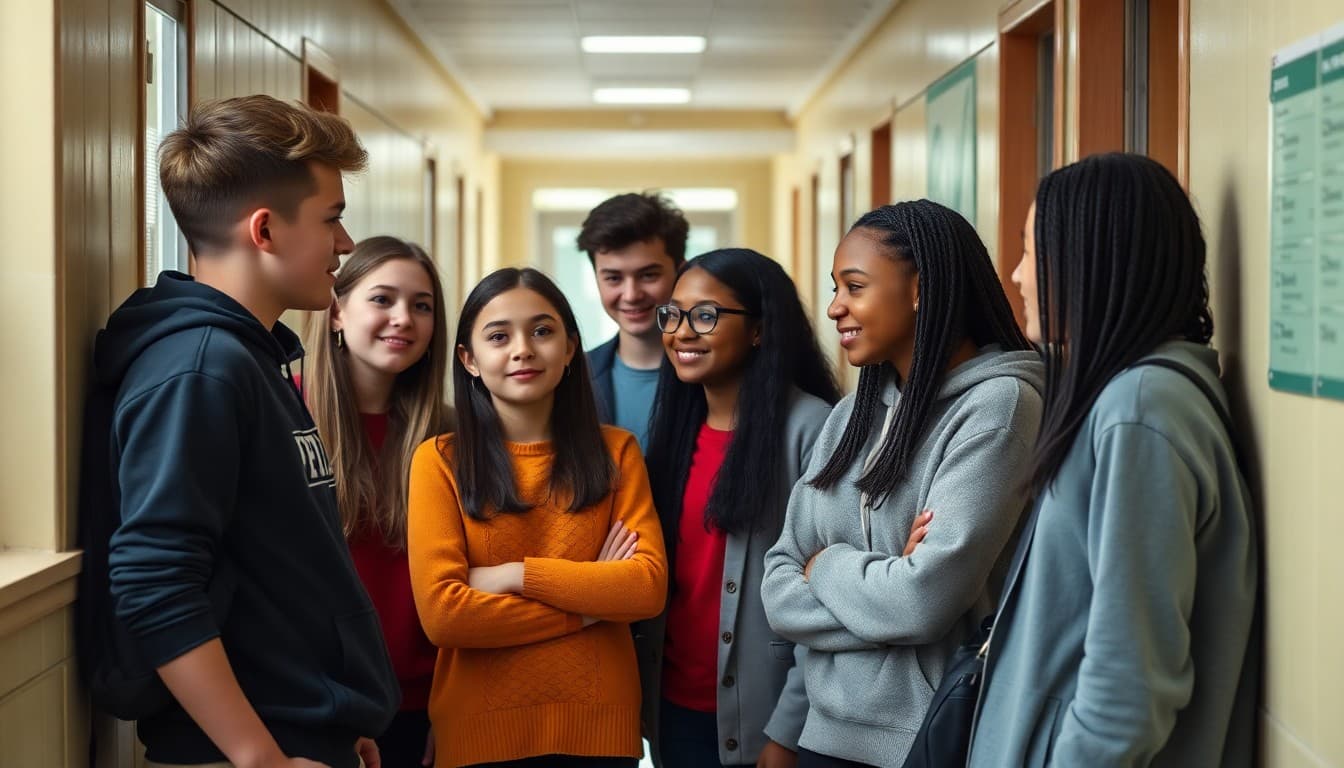
Belonging is not the same as inclusion. Inclusion is the structural condition: every student is in the building, every student has a seat. Belonging is the felt experience: every student knows that they matter here, that the people around them see them, that they would be missed if they were gone. Schools that have inclusion without belonging have students who are physically present and psychologically absent. A newsletter that communicates the school's belonging work clearly helps families understand what the difference is and why it matters.
Define what belonging looks like at your school
Belonging is abstract until you describe what it looks like in practice. At your school it might mean that every student is greeted by name at the door every morning, that advisory periods are structured for genuine connection rather than administrative tasks, that staff are trained to notice and reach out to students who seem isolated, or that peer mentorship programs pair new students with established ones. Describing the specific practices communicates that belonging is a real program, not an aspiration.
Share the research on belonging and academic outcomes
The research is clear: students who feel they belong at school attend more consistently, engage more deeply with academic work, and experience better mental health outcomes than those who do not. A newsletter that shares this evidence gives families a concrete reason to take belonging seriously, and gives the school community a shared language for why this work matters beyond being nice.
Tell families what to watch for at home
Students who do not feel they belong at school often show signs at home: reluctance to attend, vague complaints about school that are hard to trace to a specific incident, social withdrawal, or changes in mood around Sunday evenings and Monday mornings. A newsletter that names these signs gives families a way to recognize and respond to belonging struggles before they escalate into chronic absenteeism or serious emotional distress.

Describe what families can do
When a child is struggling to feel connected at school, families need a specific path forward. Talk to the school counselor and ask who the student connects with among the staff. Ask teachers whether the student seems isolated in class settings. Help the student identify one extracurricular interest and find an activity that connects them with peers around that interest. Ask the school about peer mentoring programs. Do not minimize the feeling by telling the child that school friendships do not matter.
Feature real belonging stories
A newsletter section that shares student stories about a time they felt truly welcomed, the teacher who noticed them, the club that felt like a community, the moment a peer included them when they expected to be left out, is more powerful than any program description. With appropriate permissions, student voices about belonging land differently than administrative language about inclusion.
Communicate what the school does when belonging breaks down
Belonging breaks down for some students despite the school's best efforts. A newsletter that describes what happens when a student is identified as isolated or disconnected, who gets involved, what the process looks like, and how families are brought in communicates that the school takes these situations seriously and has a plan. Families whose children have struggled with belonging are watching for this kind of communication.
Get one newsletter idea every week.
Free. For teachers. No spam.
Frequently asked questions
What does belonging mean in school culture and how should it be communicated in newsletters?
Belonging means that students feel known, valued, and connected to the school community, not just present in the building. A newsletter that defines belonging specifically, describes what it looks like in practice at this school, and explains what the school does to build it is more useful than general language about being inclusive. Belonging is different from inclusion. Inclusion is the structural condition. Belonging is the felt experience.
What are the research-based benefits of student belonging?
Students who feel they belong at school have better attendance, higher academic performance, lower rates of anxiety and depression, and stronger peer relationships than students who do not. A newsletter that communicates this research foundation helps families understand why the school invests in belonging work beyond its intrinsic value.
What can families do when their child struggles to feel a sense of belonging at school?
Talk to the school counselor, ask teachers whether the student is connecting with peers in class, look for extracurricular activities that connect the student with peers who share an interest, help the student identify one adult at school who they trust, and avoid dismissing the feeling as unimportant. Belonging struggles are a real predictor of academic disengagement and should be taken seriously.
How do schools build belonging at the school-wide level?
Through consistent adult-student relationships where every student is known by name by at least one caring adult, through advisory or homeroom structures that create small community within large schools, through extracurricular and co-curricular opportunities that connect students around shared interests, and through explicit anti-exclusion culture that adults model and enforce.
How does Daystage help schools communicate belonging and culture work to families?
Daystage makes it easy for schools to send newsletters that describe belonging initiatives with the specificity that families need to understand and support them. When families understand what the school is doing to build belonging and know how to support students who struggle to feel connected, the school's culture work extends into homes in ways that matter for student wellbeing.

Adi Ackerman
Author
Adi Ackerman is a former classroom teacher and curriculum writer with 8 years in K-8 schools. She writes about school communication, parent engagement, and what actually works in real classrooms.
More for School Culture
School Belonging Newsletter: Building a Culture Where Every Student Feels Welcome
School Culture · 5 min read
Writing a Belonging and Inclusion Newsletter That Means Something
School Culture · 6 min read
School Newsletter: Supporting Student Identity and Sense of Belonging
Diversity & Equity · 6 min read
Ready to send your first newsletter?
3 newsletters free. No credit card. First one ready in under 5 minutes.
Get started free