
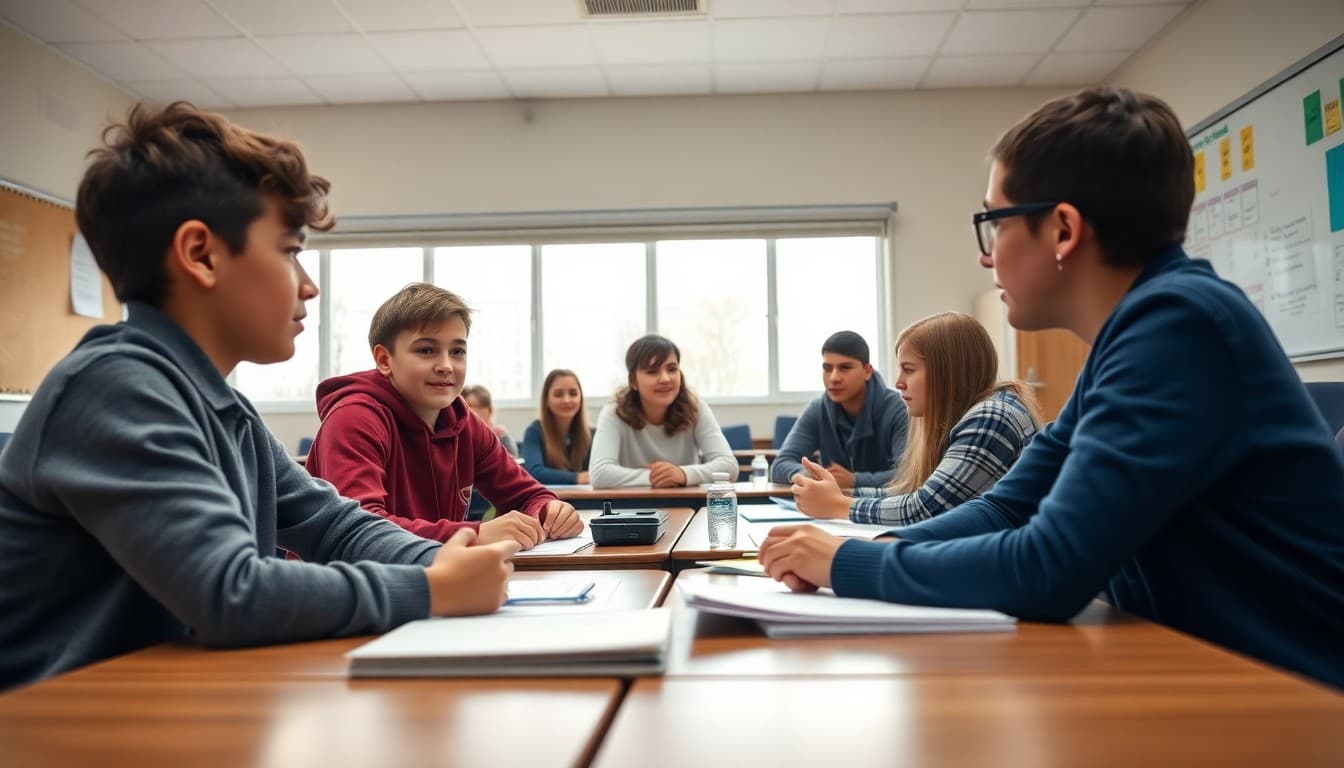
School Newsletter: Teaching Students to Be Active Bystanders
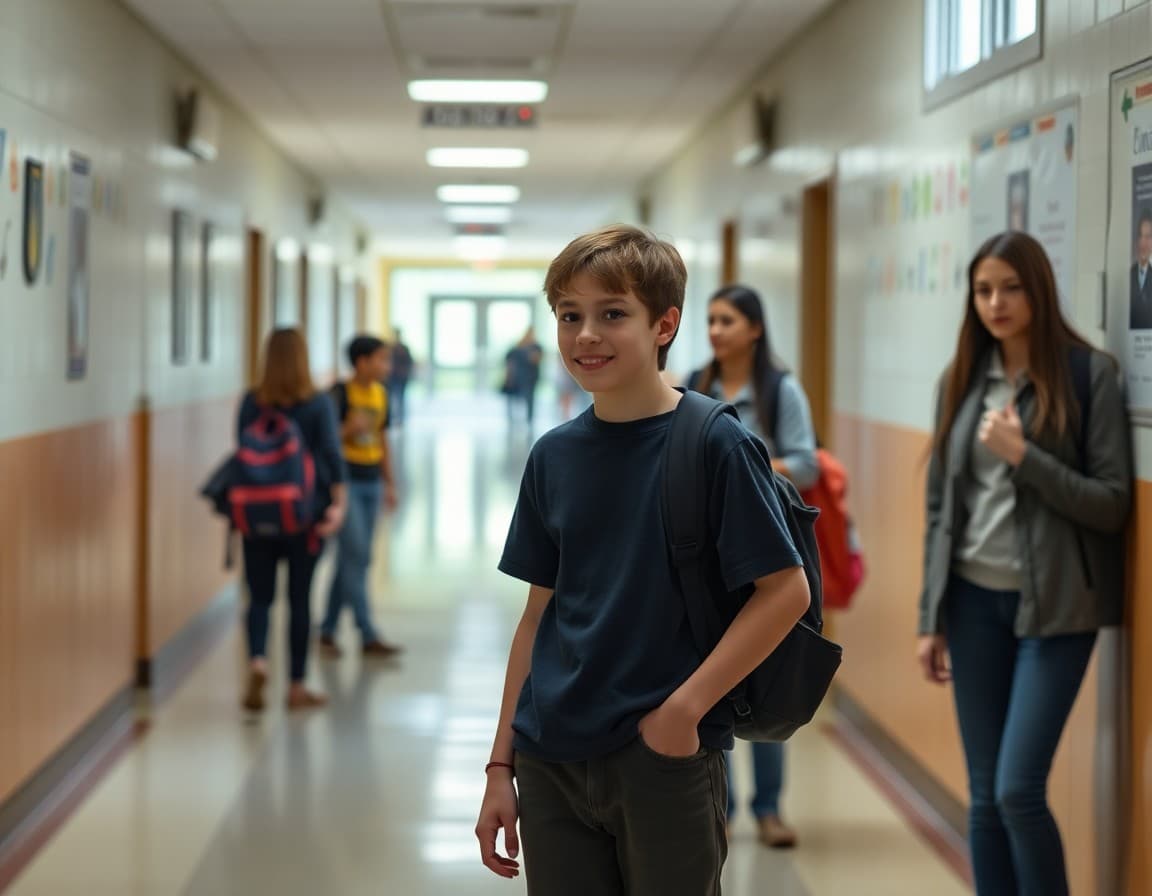
Most students who witness bullying, harassment, or social exclusion do nothing. Not because they do not care, but because they do not know what to do, they are afraid of the social consequences of speaking up, or the school culture has not given them permission to act. Bystander intervention programs change this by teaching specific skills and building the cultural norm that every student has both the capacity and the responsibility to take protective action. A newsletter that communicates this program clearly helps families reinforce it at home.
Explain what bystander intervention is
Many families have not heard the term bystander intervention and do not know what the school means by it. A newsletter that explains the concept clearly, that students are being taught to take action when they witness harm rather than staying passive, and that the school is teaching specific strategies for doing this safely, establishes the foundation for more detailed communication about the program.
Describe the specific skills students are learning
The most effective bystander programs teach concrete strategies. The 5 Ds are a widely used framework: Direct means addressing the behavior directly when it is safe to do so. Distract means interrupting without confronting. Delegate means getting another person to help. Delay means checking in with the person who was harmed after the fact. Document means recording what happened. A newsletter that names and explains these strategies gives families language to use when talking to their children at home.
Address the fear of social consequences
The most common barrier to bystander action is the fear of social consequences: what happens to a student who speaks up for someone the group is targeting? A newsletter that names this fear explicitly, and explains that the program teaches how to act without putting oneself in the target's position, is more honest and more useful than one that simply encourages students to do the right thing without acknowledging why that is hard.

Give families specific conversation guidance
Families who want to reinforce bystander skills at home benefit from specific conversation starters. Ask your child what they would do if they saw a friend being left out at lunch. Ask them to describe a time when someone helped them when they were having a hard time. Discuss stories in the news or in books where bystanders did or did not take action and what happened as a result. Tell your child that getting an adult when they see someone being harmed is not tattling: it is exactly what you want them to do.
Address digital bystander situations
Bystander situations now happen online as often as in hallways. A newsletter that addresses what bystander intervention looks like when harm is happening in a group chat, on social media, or in an online gaming context, where to screenshot, who to tell, how to support a target without amplifying the harm, reflects where students actually live and makes the skills relevant to their real experience.
Connect the program to school culture
Bystander intervention works best when it is embedded in a school culture that genuinely values protective action. A newsletter that describes how the school supports students who take bystander action, what happens when a student reports harm, and how the school handles situations where bystander action was not taken, communicates that the program is backed by real institutional commitment. Skills without culture do not transfer. Culture without skills does not produce action.
Get one newsletter idea every week.
Free. For teachers. No spam.
Frequently asked questions
What is bystander intervention and how should schools communicate about it in newsletters?
Bystander intervention is the practice of taking action when you witness someone being harmed or mistreated, rather than remaining passive. Schools communicate about it by explaining what the approach is, what specific skills students are learning, how those skills are practiced, and what the research shows about its effectiveness at reducing bullying and harassment. A newsletter that describes the program concretely is more useful than one that simply encourages students to speak up.
What specific bystander intervention skills do schools teach?
The 5 Ds of bystander intervention: Direct (addressing the behavior directly when safe), Distract (interrupting without confronting), Delegate (getting an adult or peer to help), Delay (checking in with the target after the incident), and Document (recording what happened). These are specific, teachable strategies that give students options beyond either ignoring harm or confronting it directly.
Why is bystander culture more effective than reporting culture for reducing school bullying?
Because most students will not report to an adult even when they witness harm, but many will take subtle protective action when they have the skills and the cultural permission to do so. Bystander programs shift the social norm from passive observation to active care, which means more students are positioned to interrupt harm in the moment rather than waiting for an adult to be told about it later.
How can families reinforce bystander skills at home?
By discussing bystander scenarios explicitly, asking what their child would do if they saw a friend being excluded or harassed, praising their child when they report taking protective action, modeling the values of speaking up in their own lives, and making it clear that telling an adult about harm to others is not tattling but is exactly what they want their child to do.
How does Daystage help schools communicate bystander intervention programs to families?
Daystage makes it easy to send newsletters that explain programs like bystander intervention with the specificity families need to understand and reinforce them. A school that sends a clear bystander intervention newsletter through Daystage early in the year builds the home-school alignment that makes culture change last beyond the classroom.

Adi Ackerman
Author
Adi Ackerman is a former classroom teacher and curriculum writer with 8 years in K-8 schools. She writes about school communication, parent engagement, and what actually works in real classrooms.
More for School Culture
Ready to send your first newsletter?
3 newsletters free. No credit card. First one ready in under 5 minutes.
Get started free